SCADA Automation: Applications for Optimizing Solar Power O&M Performance
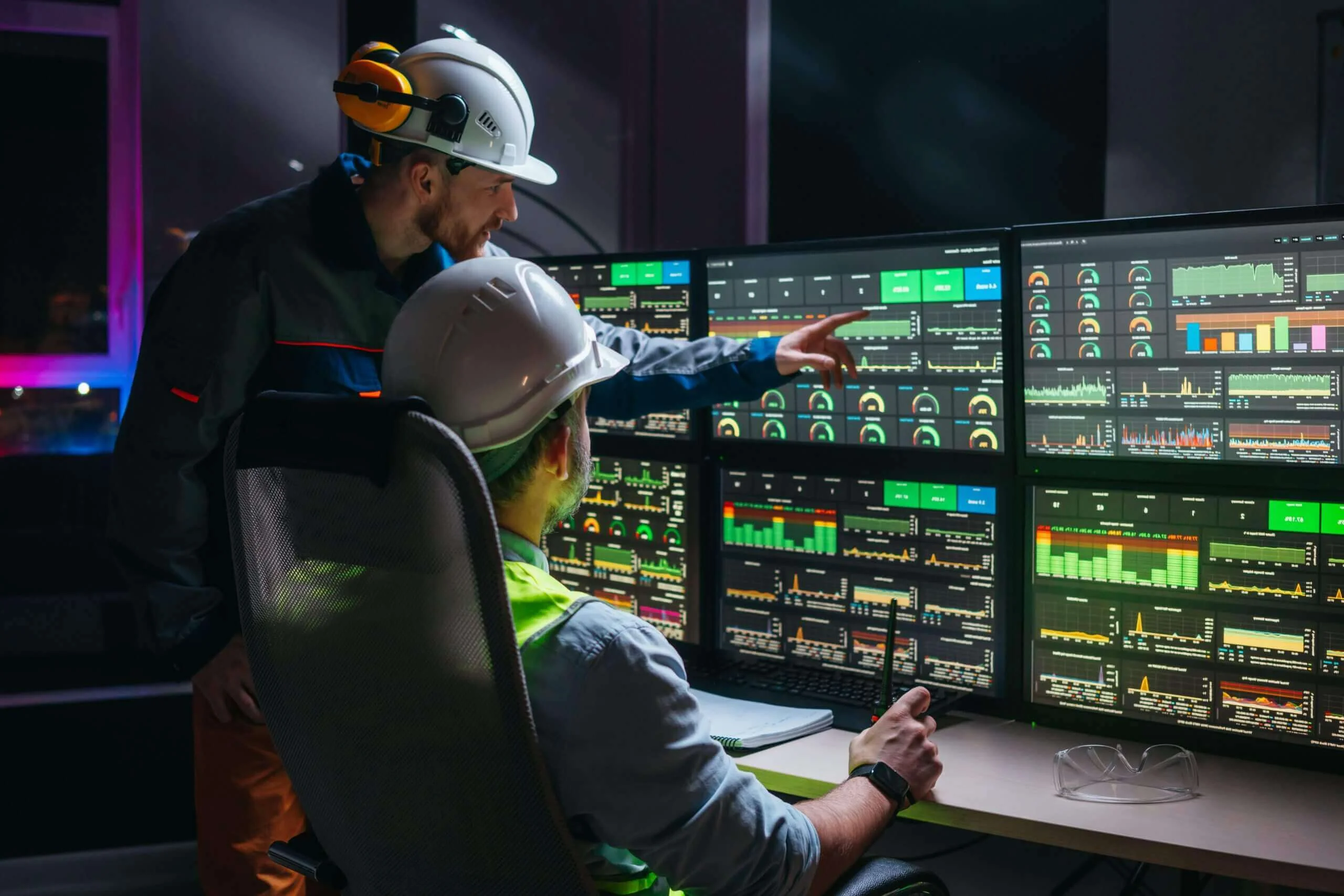
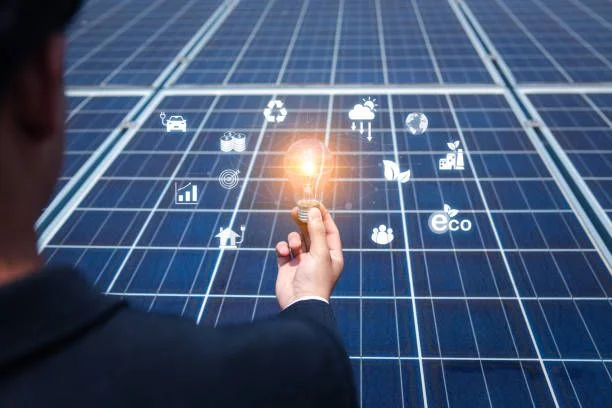
SCADA automation is the operational backbone that separates high-performing solar assets from underperforming ones over a 20-25 year project lifecycle. Without it, asset owners are effectively managing a capital-intensive system on incomplete data — and the financial consequences compound quietly over time.
Relying solely on basic inverter monitoring apps is insufficient for comprehensive performance assessment in any serious energy asset management strategy. To sustain availability and Performance Ratio (PR) across the full operational lifespan, large-scale and distributed solar systems require a robust data infrastructure. This is where SCADA automation functions as the central intelligence layer. Let’s break down exactly how it works in practice.
What Is a SCADA System and Why Does Solar O&M Need It?
SCADA Automation Defined
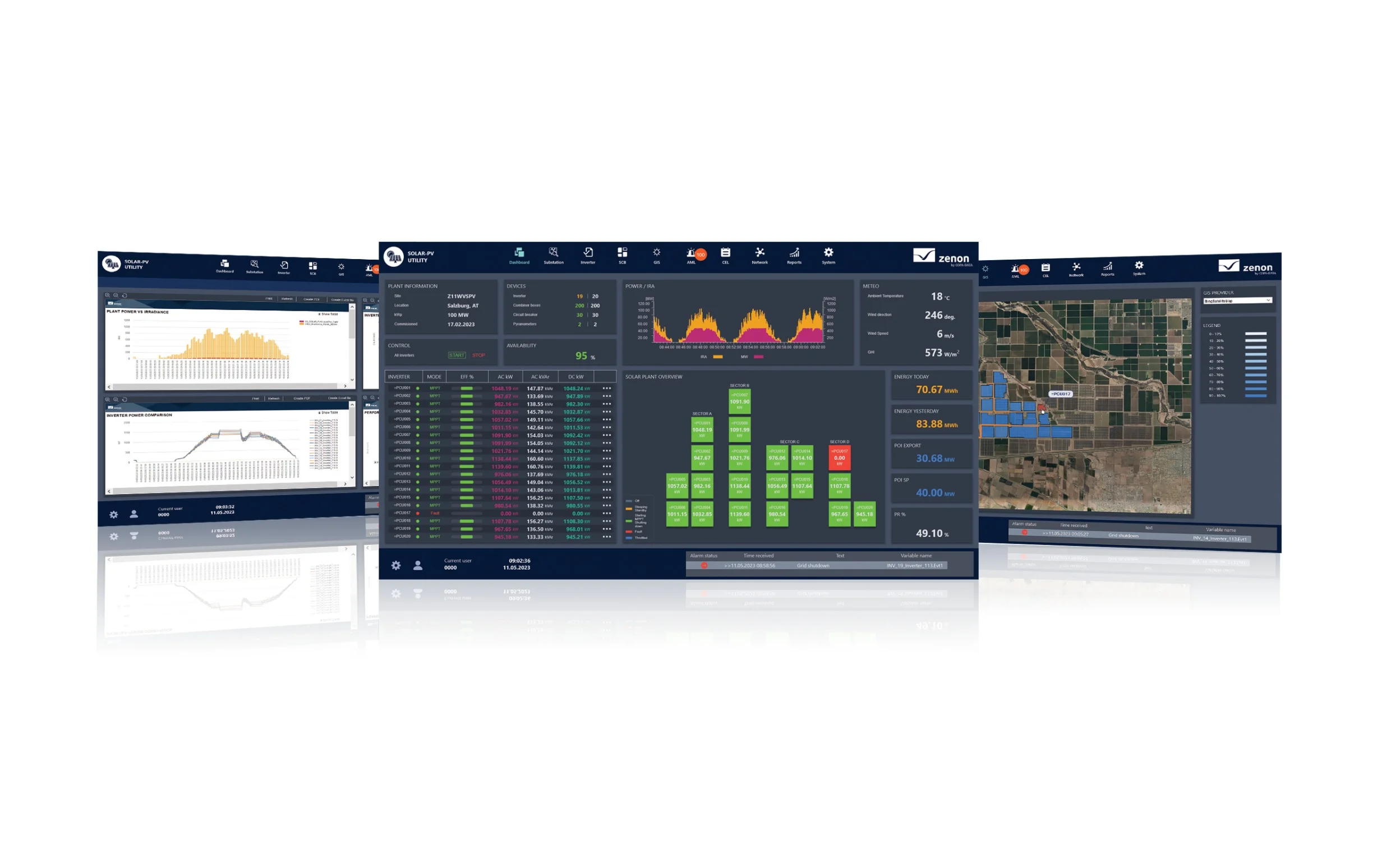
SCADA stands for Supervisory Control and Data Acquisition. In the solar energy sector, a SCADA system is far more than a dashboard displaying output figures. It is a high-level data governance architecture that continuously collects field device data, benchmarks it against established baselines, and enables remote control capabilities to keep asset performance within design parameters.

A standard SCADA system in solar projects is built from four core components:
- Field Devices: Inverters, irradiance sensors, temperature sensors, weather stations, and switching equipment.
- Data Acquisition and Transmission (RTU/PLC and Datalogger): Converts physical signals from field devices into digital data, transmitted via standard protocols (Modbus TCP/RTU, IEC 60870-5-104, DNP3).
- Communication Network: Ensures continuous data flow via fiber optic, Ethernet, or 4G/5G. Any disruption here directly undermines SLA performance verification.
- SCADA Software and HMI: The central supervisory interface. Handles historical data storage, alert algorithm processing, and KPI visualization.
Why Solar Operations Cannot Rely on Visual Inspections Alone
In solar O&M practice, relying on visual equipment checks or local app-based monitoring significantly increases the risk of long-term performance degradation.
SCADA automation provides the quantitative data foundation needed to shift from reactive maintenance (fix it when it breaks) to condition-based maintenance. This directly controls downtime rates and prevents cumulative annual energy yield losses.
6 Core SCADA Automation Applications in Solar O&M
Within an energy asset management framework, SCADA automation does not merely answer the question “is the system running?” Its core value lies in digitizing physical phenomena to generate quantitative data that drives operational decisions — optimizing performance and controlling OPEX at the same time.
1. Real-Time Asset Monitoring
From the moment a solar plant installation is commissioned, asset owners need a clearly defined data management platform. Monitoring output (kW) through basic platforms alone does not accurately reflect the true health of a plant. SCADA automation addresses this by synchronizing system monitoring in real time and continuously calculating the Performance Ratio (PR).
Two mechanisms make this valuable:
- Baseline benchmarking: The system continuously compares actual production against the baseline established in the first year of operation. If no critical fault exists yet performance deviation appears, SCADA flags it immediately.
- Weather variable isolation: When production drops, SCADA cross-references data from pyranometers and temperature sensors. This allows the operations team to determine precisely whether the drop results from natural irradiance variation — or from genuine technical underperformance below design specifications.
2. Fault Detection and Alarm Management
A core principle in modern solar O&M: the absence of inverter error codes does not mean the system is performing correctly. SCADA automation detects micro-level deviations before they accumulate into significant losses:
- String-level monitoring: SCADA analyzes current and voltage across each string. A low but persistent string deviation triggers alerts for potential mismatch loss buildup, or early-stage hotspot formation that degrades cells over time.
- Thermal overload control: Rather than allowing inverters to enter derating mode during peak irradiance hours (the most economically valuable generation window), SCADA sets early temperature alert thresholds so the O&M team can intervene with ventilation improvements before efficiency losses occur.

3. Remote Control and Automation
SCADA automation enables two-way system communication. Operations teams do not need to dispatch personnel to the site for standard adjustment tasks — reducing both downtime and staffing costs:
- Grid compliance response: Automatic adjustment of Active Power and Reactive Power to stabilize grid frequency and voltage per requirements from the National Power System Dispatch Center.
- Remote restart and switching: Rapid resolution of software faults or isolation of strings experiencing ground faults, without interrupting the entire plant.
Solar energy assets carry a 20 – 25 year operational lifespan. The SCADA Historian function operates as a black box, storing complete operational data (current, voltage, temperature, irradiance, error logs) at per-minute resolution.
4. Historical Data Storage and Analytics
- Trend analysis: Daily inverter status checks are insufficient on their own. SCADA enables the extraction of seasonal trend analysis charts that reveal patterns invisible at daily granularity.
- Warranty claim evidence: When a panel shows abnormal degradation beyond the manufacturer’s committed degradation rate, SCADA historical data is the irrefutable technical evidence needed to support warranty claims. No other data source carries this level of defensibility.
5. Predictive Maintenance and Performance Optimization
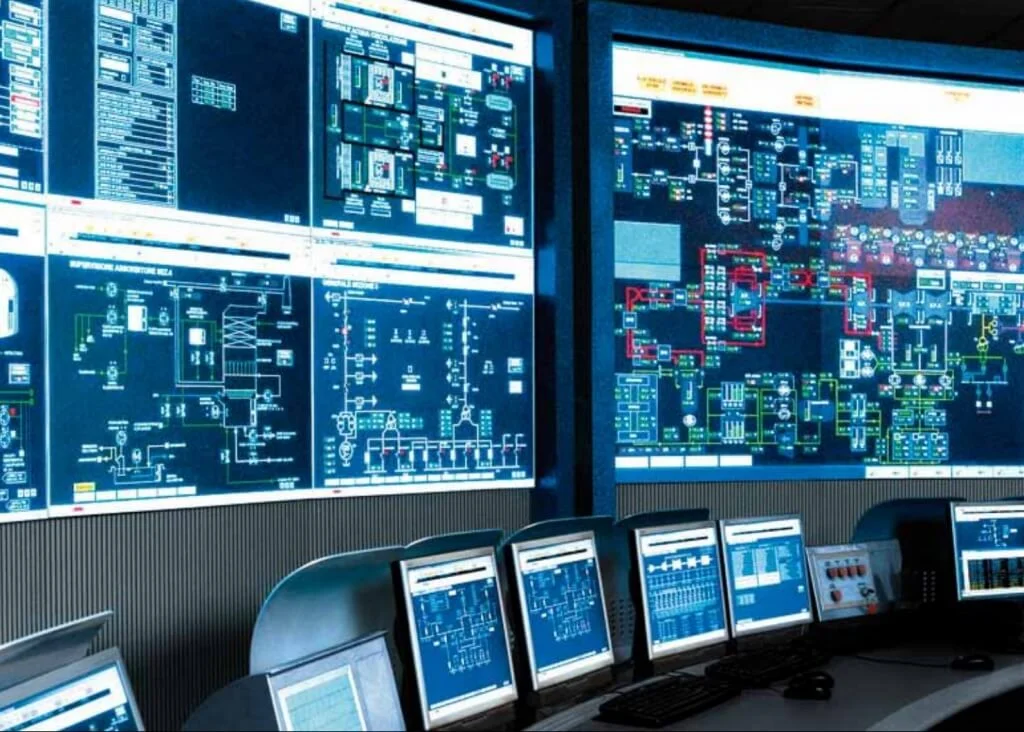
This is where SCADA automation fundamentally shifts the asset management model — from break-fix and calendar-based maintenance schedules to condition-based maintenance that responds to actual equipment state:
- Optimized cleaning schedules: Cleaning frequency is no longer based on intuition. It is triggered by analysis of when soiling loss exceeds the cost of dispatching a cleaning crew — a data-driven economic threshold.
- Cumulative downtime prevention: SCADA tracks short disconnection cycles. A two-minute connection drop that recurs repeatedly across a season creates meaningful cumulative yield loss. SCADA identifies these patterns, enabling root cause analysis and recurrence prevention.
6. SCADA System Integration for Cybersecurity and Compliance
As critical energy infrastructure, solar SCADA platforms must meet strict industrial cybersecurity standards. Key elements of a secure SCADA system integration include:
- Role-Based Access Control (RBAC) across multi-level user permissions.
- VPN and industrial firewall encryption of all data streams transmitted from RTU/PLC field devices to the central server, preventing unauthorized access and ensuring monitoring system availability.
How SCADA Automation Supports Decision-Making Across Stakeholders
SCADA automation serves a transparency function that clarifies contractual and financial accountability across all parties:
- For asset owners: SCADA shifts the conversation from vague “good performance commitments” to contract-quantified metrics. Performance degradation directly reduces IRR and increases lifecycle project costs. SCADA provides verifiable evidence of whether an O&M provider is meeting SLA targets, particularly on system availability thresholds.
- For solar O&M service providers: Response times and fault resolution windows are defined as concrete SLA metrics. SCADA automatically classifies alert severity, enabling the technical lead to allocate resources with precision and enforce risk allocation provisions professionally.
SCADA Automation Trends in Solar (2025-2030)
The solar industry is advancing toward more intelligent SCADA platforms with four key technology directions:
- AI and Machine Learning integration: Moving data analysis from descriptive to predictive. AI pattern recognition on string-level data enables early detection of hotspot formation before physical cell damage occurs.
- Edge Computing: On-device data processing at the inverter or datalogger level reduces latency and bandwidth load to the central server.
- IoT and Cloud SCADA: Enables unlimited system scaling — particularly suited for distributed commercial rooftop solar portfolios across multiple geographic locations.
- Hybrid SCADA Architecture: Combines local on-site monitoring for real-time control commands with cloud infrastructure for long-term big data analytics.
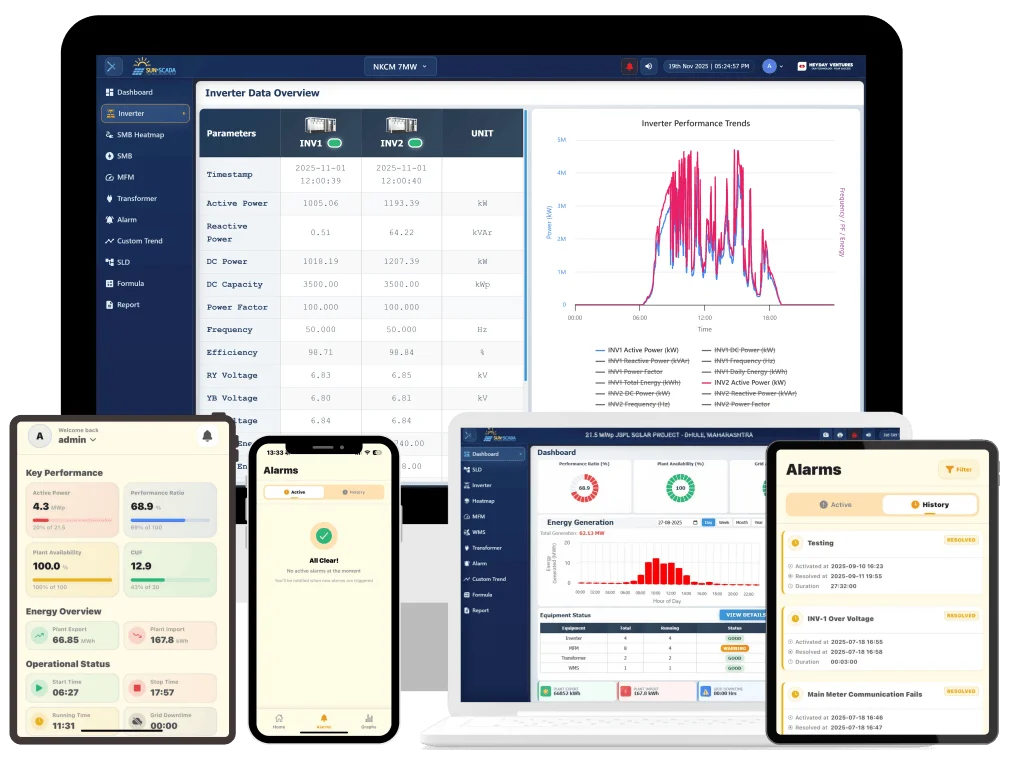
When evaluating or upgrading a SCADA system integration, asset owners should prioritize: scalability, open communication protocol standards, data ownership rights, and automated reporting capabilities aligned with SLA annex KPIs.
Electric Bird: Professional O&M Services with SCADA Automation in Vietnam
Electric Bird operates with a team of highly qualified engineers and an internationally benchmarked asset management process. Our O&M services are built on a data-driven foundation — SCADA automation only creates value when data translates into operational decisions.
We monitor performance against strict KPI targets. Incident response times are contractually defined in SLA terms and classified by impact severity, with root cause analysis protocols designed to eliminate recurrence risk. Our objective is not to make a system “run better” in an undefined sense. It is to bring PR, Availability, and Downtime metrics into tightly controlled ranges and sustain them across the full asset lifecycle.

Selecting Electric Bird as your solar O&M partner means selecting a partner that protects your project’s internal rate of return. Through proactive SCADA automation strategy combined with rigorous technical execution, we help businesses reduce unplanned OPEX and maximize extractable energy yield over the long term.
Contact Electric Bird today to discuss how a data-backed O&M strategy can strengthen your solar asset performance.
FAQ: SCADA Automation in Solar O&M
How is SCADA different from standard inverter monitoring systems?
Standard inverter monitoring provides one-way data logging. SCADA automation delivers two-way control, string-level deviation analysis, baseline trend storage, and environmental sensor integration for accurate PR calculation.
Do mid-size C&I rooftop systems need SCADA?
C&I projects from 1MWp upward benefit significantly from SCADA deployment, especially Cloud SCADA models, for tight yield loss control and as the contractual evidence base for SLA performance assessment.
How do I know if SCADA is actually working effectively?
SCADA is delivering results when the maintenance model transitions from reactive to predictive, downtime windows narrow measurably, and cell-level issues such as hotspot-driven degradation are detected from voltage trend data before physical damage occurs.
What communication protocols does SCADA use in solar applications?
The most common protocols in solar SCADA system integration are Modbus TCP/RTU, IEC 60870-5-104, and DNP3, depending on the field device types and network architecture deployed.
Can SCADA data be used as evidence in equipment warranty claims?
Yes. Manufacturer warranty degradation commitments can be benchmarked against SCADA historical data records to produce the technical documentation required for formal warranty claims.