1528+
MWp Capacity435+
Projects1528+
MWp Capacity435+
Projects1528+
MWp Capacity435+
Projects1528+
MWp Capacity435+
Projects
1528+
MWp Capacity435+
Projects1528+
MWp Capacity435+
Projects1528+
MWp Capacity435+
Projects1528+
MWp Capacity435+
Projects
In the special report ‘Evaluation of the Levelized Cost of Electricity (LCOE) for Renewable Energy and Proposed Alternative Criteria in the Context of Vietnam‘, experts from the Scientific Council of Vietnam Energy Magazine examine the limitations of applying the LCOE formula to renewable energy sources, particularly Variable Renewable Energy (VRE), in the context of Vietnam’s ambitious energy transition goals.
The report also provides preliminary recommendations and analysis of alternative indicators that consider not only costs but also the system-level value of VRE. These indicators offer a more comprehensive framework for energy planning and investment decisions in Vietnam.
Part 1 of the report focuses on the aspects that are often overlooked when using the LCOE formula to evaluate renewable energy projects in Vietnam.
The global energy sector is undergoing a major transition toward sustainable and cost-effective electricity generation. Renewable energy is increasingly replacing fossil fuel-based technologies, while global electricity demand is expected to reach approximately 7,000 TWh by 2030.
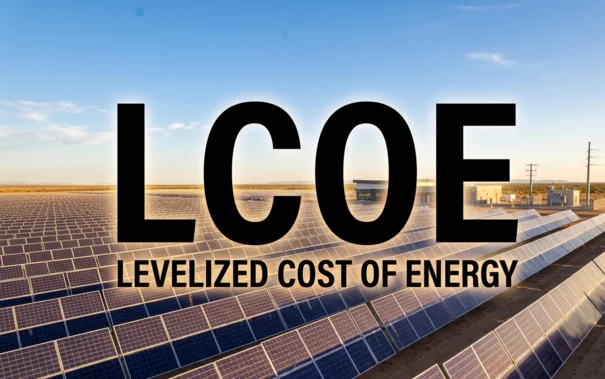
In this context, the Levelized Cost of Electricity (LCOE) has become a widely used metric for comparing different power generation technologies.
The LCOE formula represents the average lifetime cost of electricity generation or the minimum electricity price required for a project to break even.
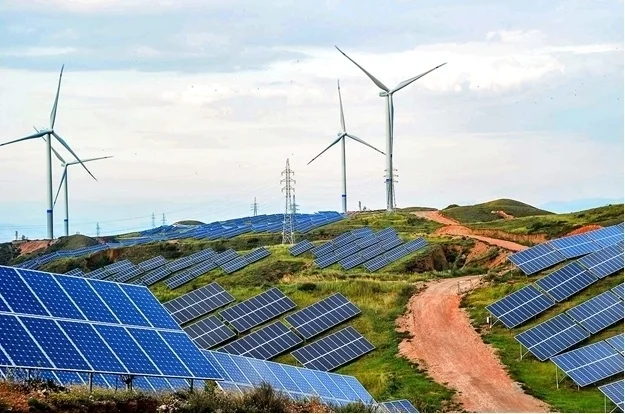
The main challenge lies in Variable Renewable Energy (VRE) sources such as solar and wind power.
Because VRE generates electricity only when natural conditions allow, its output is variable and difficult to predict. This can result in both surplus generation and power shortages, challenges that are not fully reflected in the traditional lcoe formula.
LCOE is a metric used to evaluate the average net present cost of electricity generation over the lifetime of a power plant.
The LCOE formula is used for planning, investment analysis, and comparing different power generation technologies on a consistent basis. In essence, it represents the minimum electricity price required for an energy project to break even.
The LCOE formula is most useful when comparing similar technologies under similar conditions, such as one natural gas power plant against another.
It serves as a powerful screening tool for preliminary feasibility studies and strategic investment decisions.
Policymakers also use LCOE to assess the economic competitiveness of different energy sources and technologies, helping guide decisions on incentives and support mechanisms.
The table below summarizes the main components of the LCOE calculation.
| Component | Definition | Unit | Impact on LCOE |
|---|---|---|---|
| Capital Expenditure (CapEx) | Initial investment required to build the project | $/kW | Increases LCOE |
| Operation & Maintenance (O&M) Costs | Ongoing costs to operate and maintain the plant | $/kW-year (fixed), $/kWh (variable) | Increases LCOE |
| Fuel Costs | Fuel expenses for coal or gas plants. Zero for most VRE technologies | $/MMBtu | Increases LCOE |
| Discount Rate (r) | Reflects financing costs and investment risks | % | Increases LCOE |
| Capacity Factor (CF) | Ratio of actual output to maximum possible generation | % (0-1) | Reduces LCOE |
| Plant Lifetime (n) | Expected operating life of the facility | Years | Reduces LCOE |
This table summarizes the fundamental variables used in the LCOE calculation, providing a clear foundation for understanding the LCOE formula before examining its limitations.
Although the LCOE formula is a useful tool, it has significant limitations when applied to Variable Renewable Energy (VRE) sources such as solar and wind power. These limitations arise from the intermittent nature of VRE and the additional system costs required to support it.
VRE sources are inherently non-dispatchable. They generate electricity only when sunlight or wind is available, making their output variable and difficult to predict.
This variability is an intrinsic characteristic of renewable energy generation and directly affects how these resources interact with the power system.
Continuous fluctuations in renewable energy output can affect grid stability.
High levels of VRE penetration may result in surplus generation during off-peak periods, particularly on weekends and holidays, leading to renewable energy curtailment and financial losses.
For example, Vietnam curtailed approximately 364 GWh of solar power in 2020.
Conversely, VRE cannot meet demand during periods without sufficient sunlight or wind, requiring backup generation capacity to maintain system reliability.
This challenge is particularly important for Vietnam’s power system, where hydropower, traditionally a major source of electricity, is increasingly vulnerable to climate-related impacts such as drought.
The traditional LCOE formula relies on an average capacity factor and does not account for the changing value of electricity over time.
Electricity is generally more valuable during peak demand periods. Solar power, for example, often reaches maximum output at midday when electricity demand may be lower, reducing its actual economic value to the system and, in some cases, contributing to negative electricity prices.
As a result, the LCOE calculation may not accurately reflect the true value of electricity generation.
High levels of VRE penetration increase the need for ancillary services that maintain grid frequency and voltage stability.
These additional costs are typically not included in the traditional LCOE formula.
Existing power grids were not originally designed for large-scale, distributed, and variable renewable energy resources. Integrating VRE requires significant upgrades to transmission and distribution infrastructure.
This may include new transmission lines, substations, and high-voltage direct current (HVDC) transmission systems to connect remote renewable energy projects to demand centers.
Energy storage solutions such as Battery Energy Storage Systems (BESS) and Pumped Storage Hydropower (PSH) play an important role in balancing electricity supply and demand.
These technologies store excess electricity and release it when needed, helping reduce the impact of VRE intermittency.
Vietnam’s revised Power Development Plan VIII includes significant targets for battery energy storage deployment and increased storage capacity.
At the same time, existing incentives for ancillary services remain insufficient, resulting in limited reserve capacity to manage renewable energy uncertainty.
Developing a robust ancillary services market will be essential for the effective integration of VRE.
The LCOE formula primarily measures the cost of electricity generation at the power plant level.
However, it does not capture the value that electricity provides to the grid, which varies depending on time, location, and reliability.
The same amount of electricity may have a higher value during peak demand periods and a lower value during periods of oversupply.
In situations where generation exceeds demand, renewable electricity may have little or no economic value and can even contribute to negative pricing.
In addition, LCOE generally does not account for environmental and social impacts. Benefits such as reduced carbon emissions or avoided health impacts from fossil fuel generation are not monetized within the traditional LCOE calculation framework.
One of the main strengths of the LCOE formula is its simplicity. However, this simplicity becomes a major limitation when evaluating VRE.
By averaging generation costs over time, the LCOE formula overlooks both time-dependent costs and time-dependent value.
VRE output depends on natural conditions and cannot be controlled in the same way as conventional power plants. Most LCOE calculation methods use an average annual capacity factor, which smooths out actual generation patterns.
In reality, the value of electricity changes throughout the day depending on demand and grid conditions.
Solar power, for example, often produces the most electricity during periods when electricity prices are relatively low, reducing its overall economic value to the system.
By relying on average capacity factors and ignoring time-based value, the LCOE formula oversimplifies the relationship between project economics and system requirements.
A renewable energy project may appear highly competitive based on LCOE alone, while its actual cost to the power system is significantly higher once grid impacts and integration costs are considered.
Another important issue is that many of the hidden costs associated with VRE are transferred to the broader electricity system and ultimately borne by consumers or taxpayers.
This creates a disconnect between the project-level costs measured by the LCOE formula and the actual costs incurred by the power system.
The LCOE formula focuses on the direct costs of building and operating an individual power plant. However, it does not capture the full costs required to support a large-scale electricity system.
The intermittent nature of VRE creates additional system costs, often referred to as integration costs. These include:
These integration costs are generally not reflected in renewable power purchase agreements and are instead absorbed by utilities, electricity consumers, or government support mechanisms.
As a result, there can be a significant gap between the low project-level cost suggested by the LCOE formula and the actual cost of integrating renewable energy into the broader power system.
This gap highlights the need for more comprehensive evaluation metrics that better reflect both project economics and system-wide impacts.
To ensure a sustainable and efficient energy transition, Vietnam should adopt a broader approach that goes beyond relying solely on the LCOE formula.
While the lcoe formula remains a useful screening tool, energy planners, investors, and policymakers should also consider indicators such as LACE, VALCOE, and SLCOE to better assess the value and impact of VRE on the power system.
Given the important role of energy storage in addressing renewable energy variability, LCOS should also be included in project evaluations to measure the cost-effectiveness of storage technologies and their contribution to grid stability.
Modernizing transmission and distribution networks is essential to support higher levels of VRE penetration. Key priorities include:
At the same time, Vietnam should continue developing ancillary service markets to support frequency regulation, grid balancing, and greater renewable energy integration.
Moving toward a more competitive electricity market and adopting flexible pricing mechanisms can better reflect the actual value of electricity at different times.
In addition, regulatory barriers should be reduced and approval procedures streamlined to encourage investment in renewable energy and energy storage projects.
Vietnam’s energy strategy should maintain a balanced generation mix that combines VRE with flexible resources such as LNG, hydropower, and energy storage systems to ensure system reliability and energy security.
The adoption of AI, smart grid technologies, and automated control systems can further optimize operations, improve load forecasting, and manage renewable energy variability more effectively.
The LCOE formula is a useful indicator for preliminary project assessments, but it does not fully capture the intermittency of VRE, grid integration costs, or the time-dependent value of electricity.
Additional metrics such as LACE, VALCOE, SLCOE, and LCOS can provide a more comprehensive evaluation of the economic performance and system impacts of renewable energy.
As Vietnam accelerates its energy transition under the Revised Power Development Plan VIII, investments in smart grids, solar power operations, energy storage, flexible market mechanisms, and reliable generation resources will play a critical role in ensuring long term energy security and sustainable development.
Source: Advanced Criteria for Evaluating Variable Renewable Energy Resources for Power Planning in Vietnam
Dr. Nguyen Anh Tuan (B)
Scientific Council, Vietnam Energy Magazine
LCOE (Levelized Cost of Electricity) is the average lifetime cost of generating electricity from a power plant, expressed as the minimum electricity price required for a project to break even.
The LCOE formula is used to compare the cost competitiveness of different power generation technologies consistently.
Key factors include capital costs, O&M costs, fuel costs, discount rate, capacity factor, and project lifetime.
The lcoe formula does not fully account for intermittency, grid integration costs, energy storage requirements, or the changing value of electricity over time.
Common alternatives include LACE, VALCOE, SLCOE, and LCOS, which provide a broader assessment of both costs and system value.
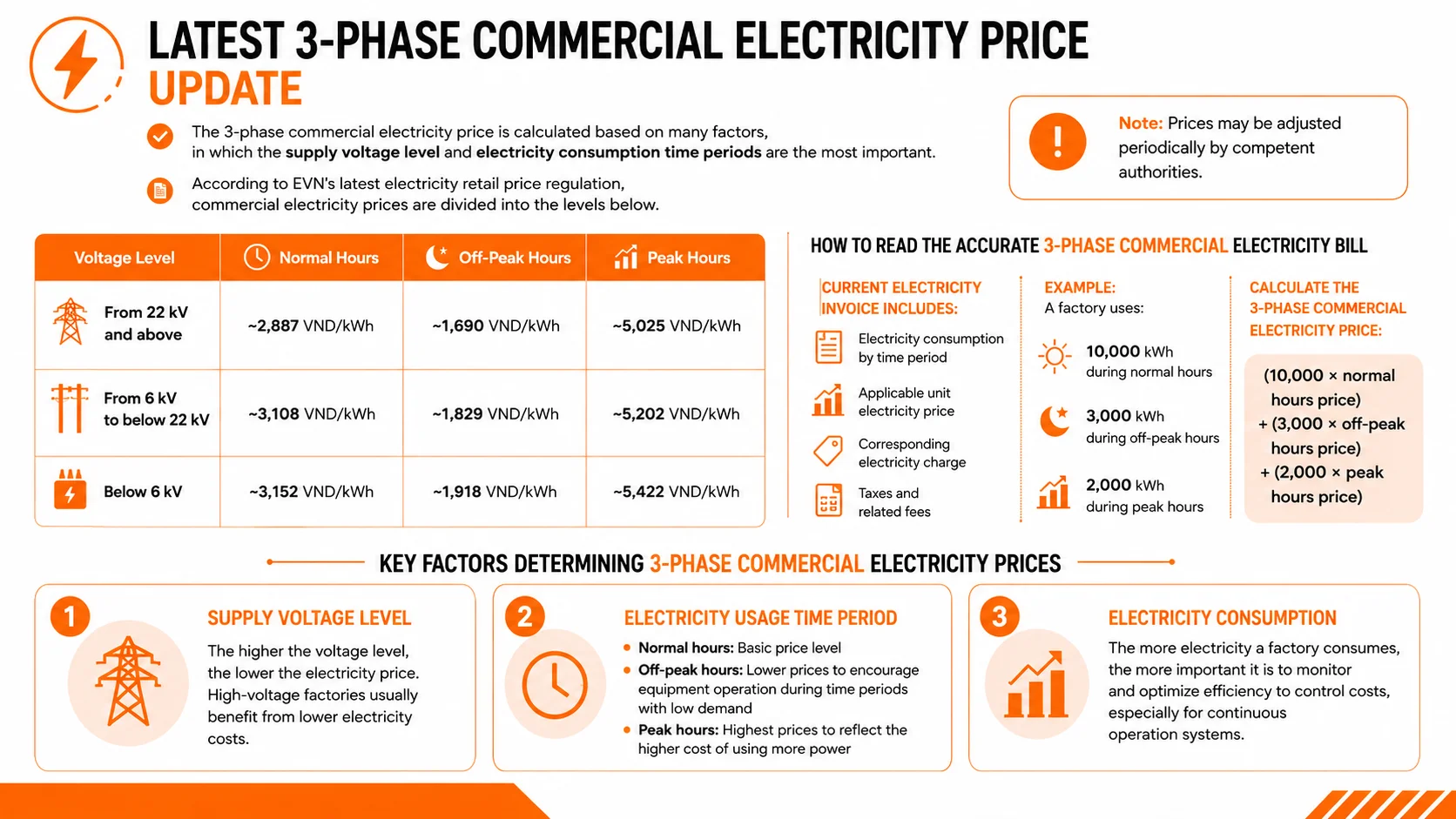

The 3-phase commercial electricity tariff in Vietnam is structured around voltage level and time-of-use billing, which means your monthly electricity bill is not fixed. It shifts based on when and how much power your facility draws. Understanding this structure is the first step toward meaningful cost control. What Is Commercial Electricity? Key Sectors That Use […]

For industrial facilities in Vietnam, electricity is one of the largest recurring operational expenses, especially for production lines running around the clock. Understanding how the Vietnam industrial electricity tariff is structured allows factory managers and asset owners to control costs, optimize production scheduling, and make informed decisions about energy investments. The short answer: your monthly […]
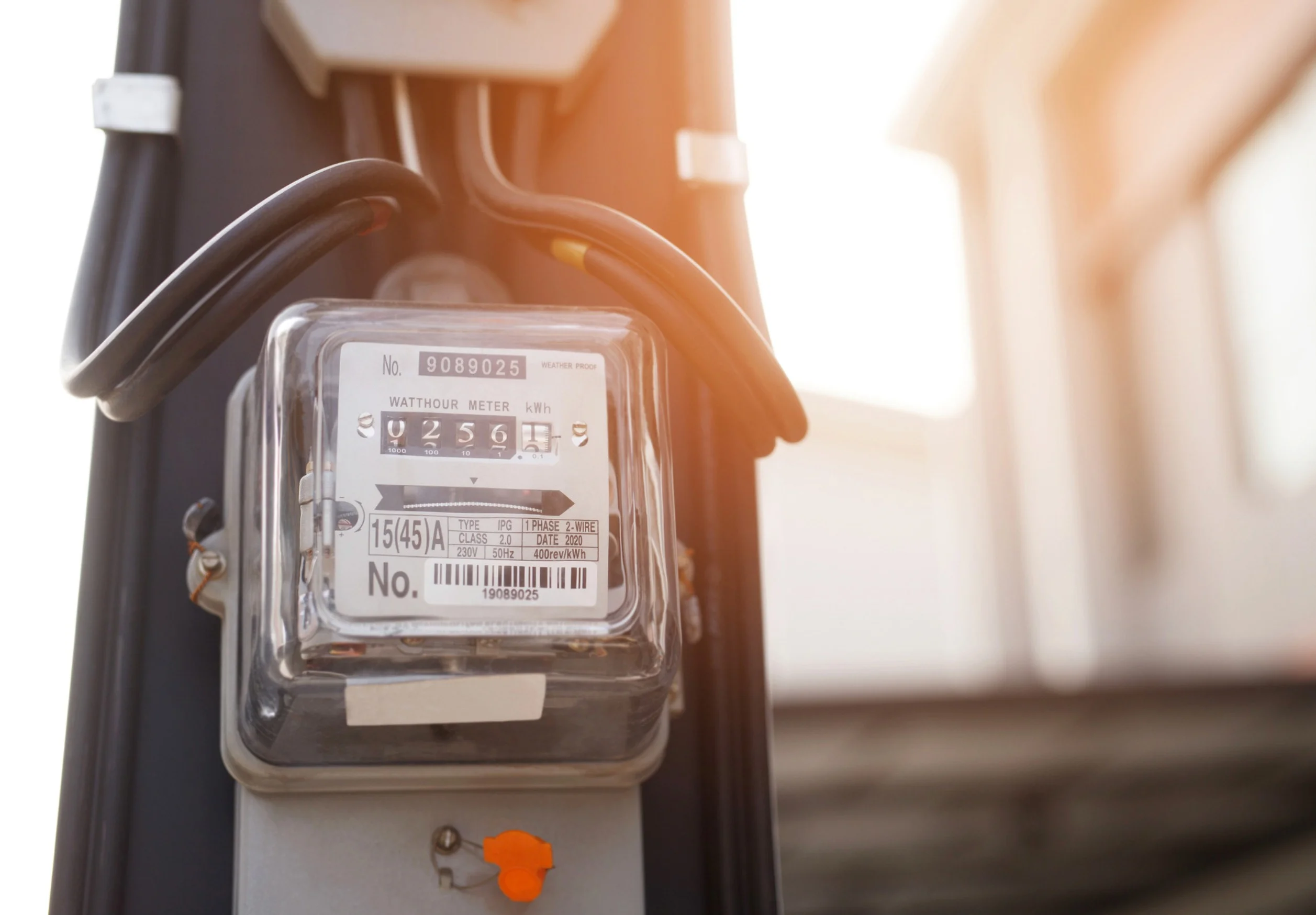
Understanding peak electrical hours is a practical advantage for any facility manager or business owner. Knowing exactly when demand spikes allows operations teams to reschedule high-draw equipment, reduce strain on the grid, and meaningfully cut monthly energy costs over the long term. What Are Peak Electrical Hours and When Do They Occur? Peak electrical hours […]