1528+
MWp Capacity435+
Projects1528+
MWp Capacity435+
Projects1528+
MWp Capacity435+
Projects1528+
MWp Capacity435+
Projects
1528+
MWp Capacity435+
Projects1528+
MWp Capacity435+
Projects1528+
MWp Capacity435+
Projects1528+
MWp Capacity435+
Projects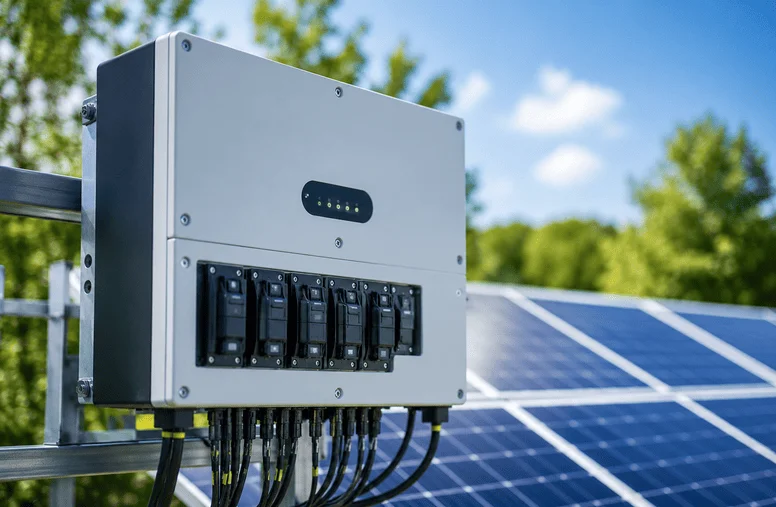
When an inverter fault code appears, acting fast is critical. Learn the corrective maintenance workflow that protects solar power inverter efficiency and minimizes costly downtime.
The inverter is the operational core of any solar energy system. It converts DC power from the solar array into grid-compatible AC power and maintains stable system performance around the clock. When a fault code appears, it signals that solar power inverter efficiency is already at risk, and without a structured response, the consequences can escalate quickly.
Many O&M teams treat error codes as routine technical notifications. In practice, a single fault code can be the earliest indicator of performance degradation or an impending system shutdown. Left unresolved, inverter faults can result in:
In solar O&M, Corrective Maintenance is the structured process that ensures each fault is diagnosed accurately and resolved at the root cause level, not just suppressed at the surface.
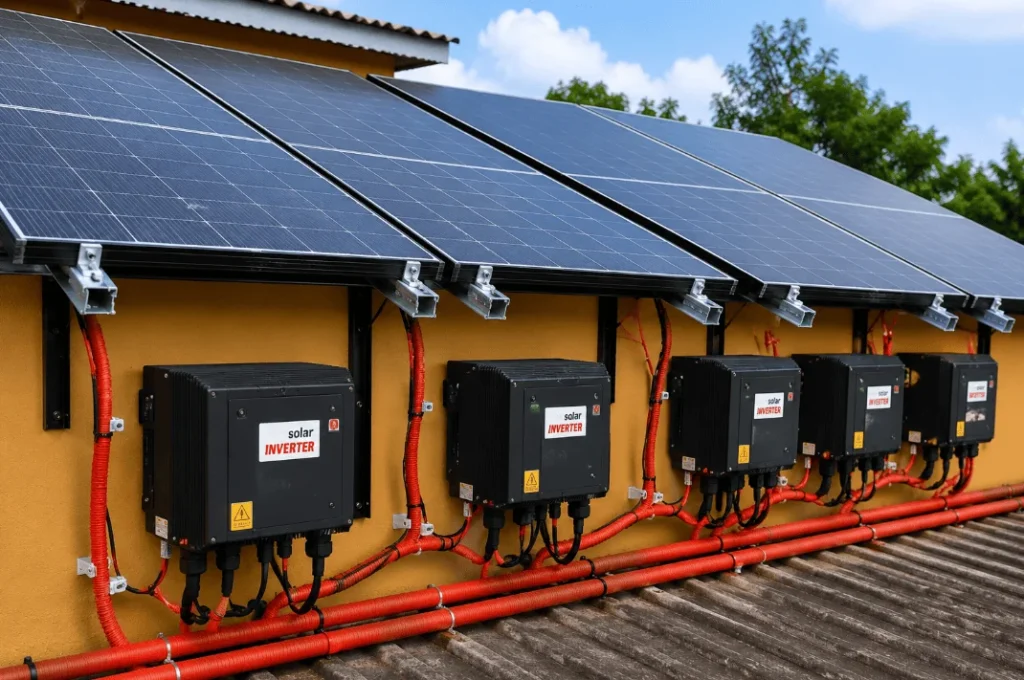
Identifying the alert source
Fault data is typically collected from three sources:
Gathering fault data
Receiving an alert is only the starting point. The O&M engineer must capture the specific fault code, the timestamp, how frequently the fault recurs, and how many inverters are affected. This information defines the scope of the incident and accelerates root cause diagnosis.
Key data points to record:
Common fault code examples:
Priority classification
Not every fault code requires immediate field deployment. Assessing impact severity allows the O&M team to allocate resources effectively:
Before dispatching a technician, the O&M engineer should analyze available operational data:
Inverters operating under the same conditions should produce comparable performance profiles. A unit showing an unexplained efficiency drop is a reliable signal that something is wrong, even before a specific fault code appears.
Some faults can be resolved remotely through:
Remote resolution, when successful, reduces response time and avoids unnecessary site visits, directly protecting solar power inverter efficiency.
Each fault code reflects what the inverter is experiencing, but the underlying cause may originate from the DC side, the AC side, the operating environment, or internal hardware failure.
DC faults: String loss, abnormal DC voltage, insulation degradation.
AC faults: Grid connection issues, frequency deviations, abnormal AC voltage.
Environmental faults: Overheating due to ambient temperature, high humidity, dust accumulation.
Hardware/firmware faults: Board-level failures, cooling fan malfunction, communication errors.
Accurate fault categorization determines which inspection steps are necessary in the field and which specialist resources to deploy.
Once the probable fault category has been identified remotely, the field team carries out direct verification.
Thermal imaging is particularly valuable here. It allows the team to detect hot spots that would otherwise be invisible during a standard visual inspection, often revealing the real source of a fault before it causes further damage.
The appropriate corrective action depends on the root cause identified. Common interventions include:
Each action should be documented with its rationale, so the intervention record supports future analysis rather than existing only in the technician’s memory.
Clearing a fault code is not the same as restoring full system health. After completing repairs, the team must confirm:
The objective is full recovery of solar power inverter efficiency to design specification, not just getting the inverter back online.
Fault data accumulated over time is one of the most valuable assets in solar plant management. A complete incident record should include:
This data enables the O&M team to identify recurring failure patterns, plan predictive maintenance, and make a stronger case for equipment upgrades when component reliability is declining.
A well-defined Corrective Maintenance process standardizes how inverter faults are handled and ensures no critical step is skipped. But process alone does not determine outcomes. The actual performance of the O&M team is what converts a structured workflow into tangible results.
In practice, the same fault code can originate from multiple different causes. A skilled O&M engineer does not simply clear the current fault; they analyze the root cause, avoid temporary fixes that mask deeper problems, and assess the likelihood of recurrence. Beyond restoring inverter operation, the team is also responsible for optimizing performance after the incident to limit the impact on overall energy yield.
The difference between a system restored in minutes and one that suffers days of downtime almost always comes down to diagnostic capability. Process creates the standard. Engineering competence determines how well that standard is actually met, and by extension, how well solar power inverter efficiency is protected over the long term.
Inverter fault management is not just a technical task; it is a core component of solar asset protection. When faults are misdiagnosed or response times are slow, the consequences extend beyond immediate generation loss to accelerated equipment degradation and rising long-term OPEX.
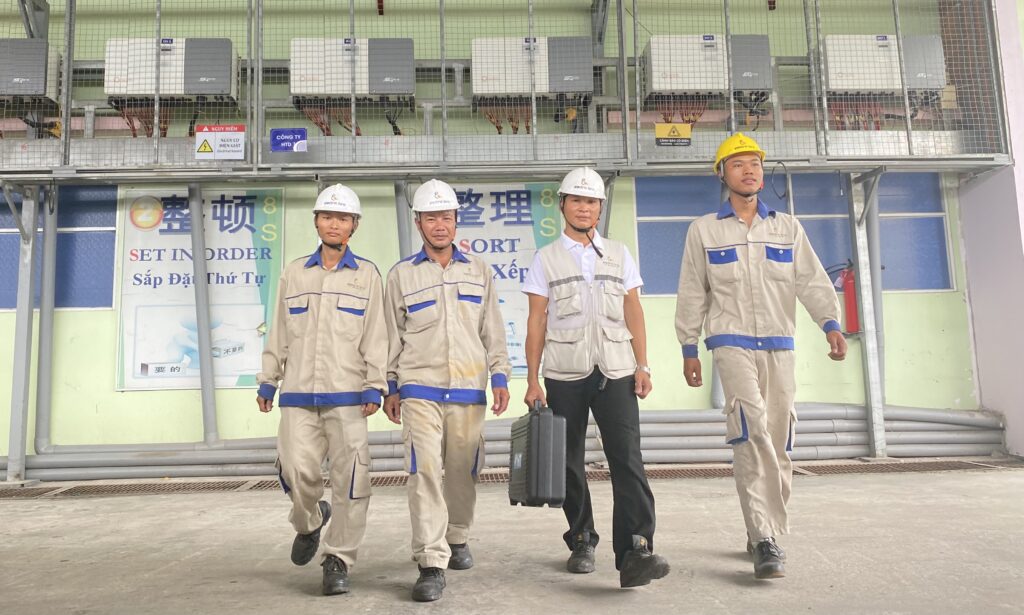
Solar Care+ is a specialist division of Electric Bird, providing inverter repair, fault diagnostics, and O&M support for commercial and industrial solar systems across Vietnam.
With a data-driven approach combining real-time monitoring, operational data analysis, and structured corrective maintenance workflows, Solar Care+ helps asset owners reduce downtime, sustain solar power inverter efficiency, and extend equipment service life.
Contact Solar Care+ to discuss inverter fault management and O&M solutions for your solar plant.
Grid faults and overtemperature faults are among the most frequent.
Grid faults typically arise from voltage or frequency deviations outside inverter operating limits, while overtemperature faults are often linked to inadequate cooling or high ambient temperatures.
Some faults, including those resolved by a remote reset, firmware update, or parameter adjustment, can be cleared without a site visit. Faults involving hardware failure or physical damage always require on-site inspection.
Depending on severity, a fault can reduce output partially or stop generation entirely. Even low-priority warnings, if left unaddressed, can compound into efficiency losses over time.
Response time varies by fault type and team capability. Remote diagnosis can begin within minutes of alert receipt. On-site resolution may range from a few hours to several days if component replacement or warranty processing is required.
Clearing the fault code confirms the symptom is gone, not necessarily that the root cause is resolved. Post-repair verification confirms the inverter has returned to full operating specification and that solar power inverter efficiency has been genuinely restored.
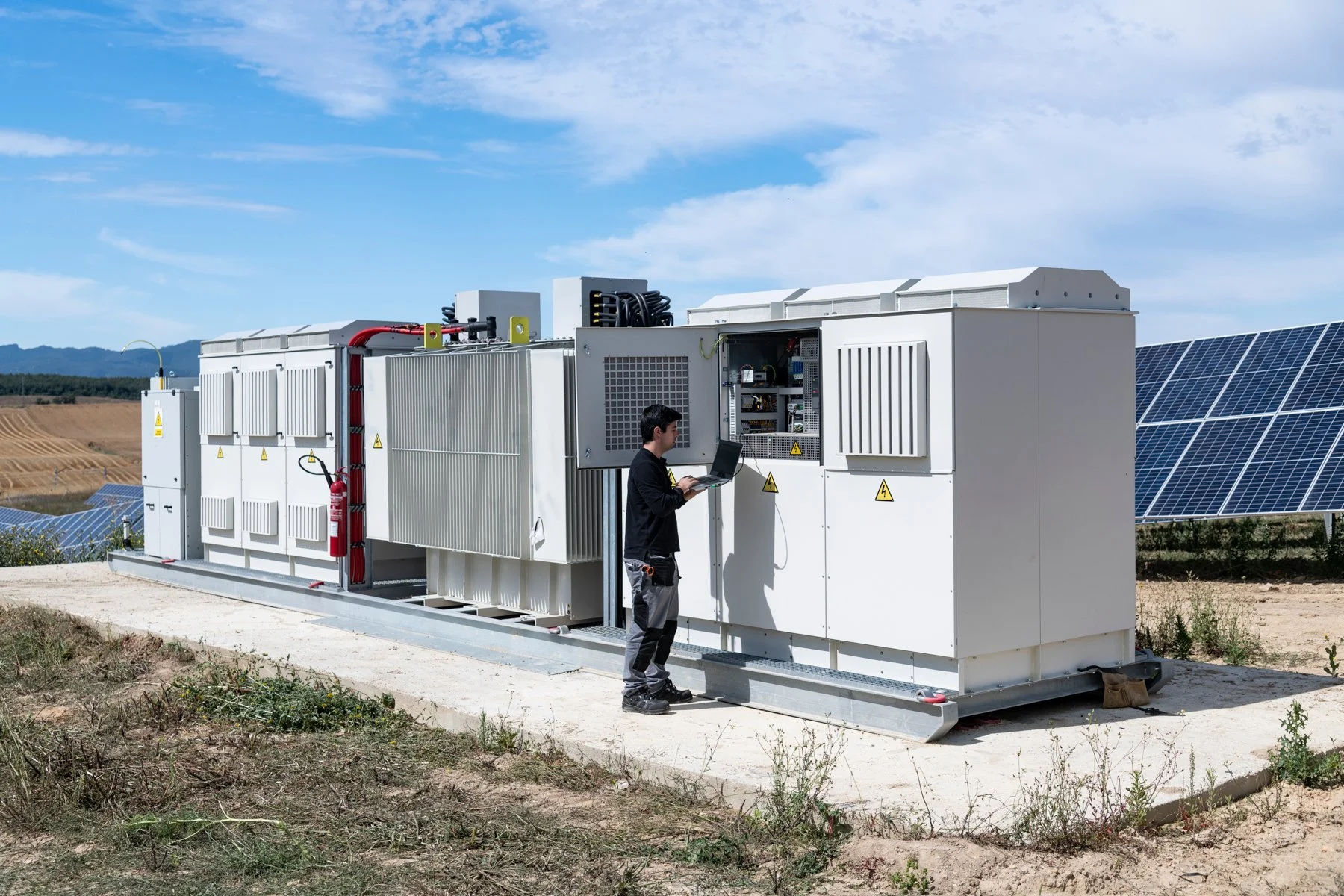

The inverter is the heart of any solar power system. It converts DC electricity from solar panels into usable AC power for on-site consumption or grid export. When an inverter fails, the entire system’s output drops, downtime increases, monitoring data is lost, and the return on your solar investment takes a direct hit. That is […]
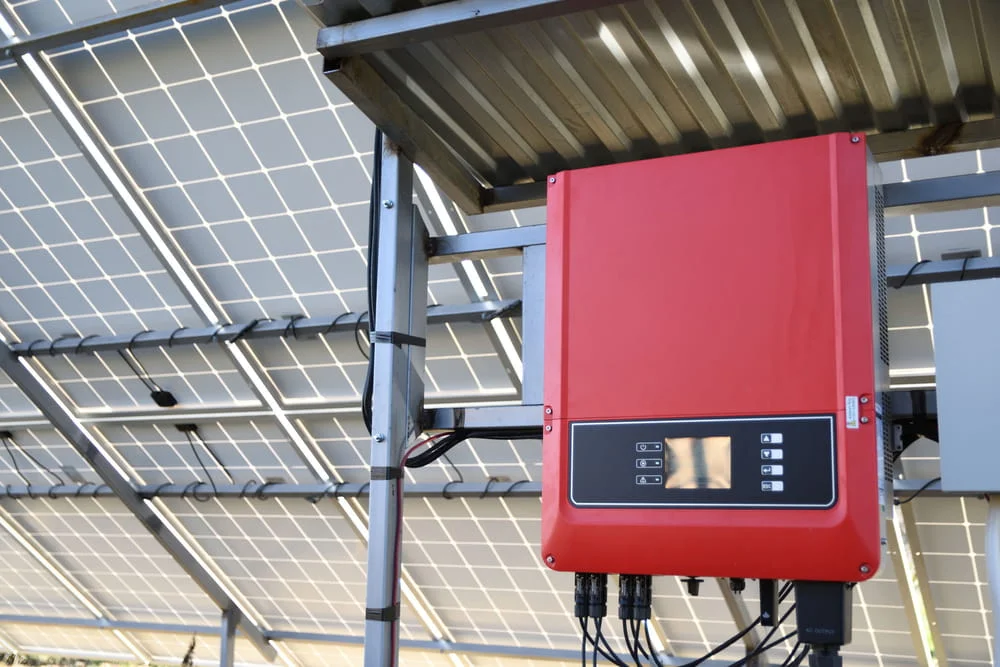
Solar inverter fault codes are the system’s first line of communication when something goes wrong. As the core device responsible for converting DC power from solar panels into usable AC electricity, the inverter operates continuously under demanding conditions. When a fault occurs, the impact is immediate: energy yield drops, downtime increases, and the financial performance […]
Understanding how a solar inverter works is fundamental to managing any solar energy asset effectively. The inverter sits at the center of every solar system, converting and controlling the flow of electricity before it reaches the grid or on-site loads, and it directly determines real-world generation performance, operational stability, and long-term yield optimization. If solar […]