1528+
MWp Capacity435+
Projects1528+
MWp Capacity435+
Projects1528+
MWp Capacity435+
Projects1528+
MWp Capacity435+
Projects
1528+
MWp Capacity435+
Projects1528+
MWp Capacity435+
Projects1528+
MWp Capacity435+
Projects1528+
MWp Capacity435+
Projects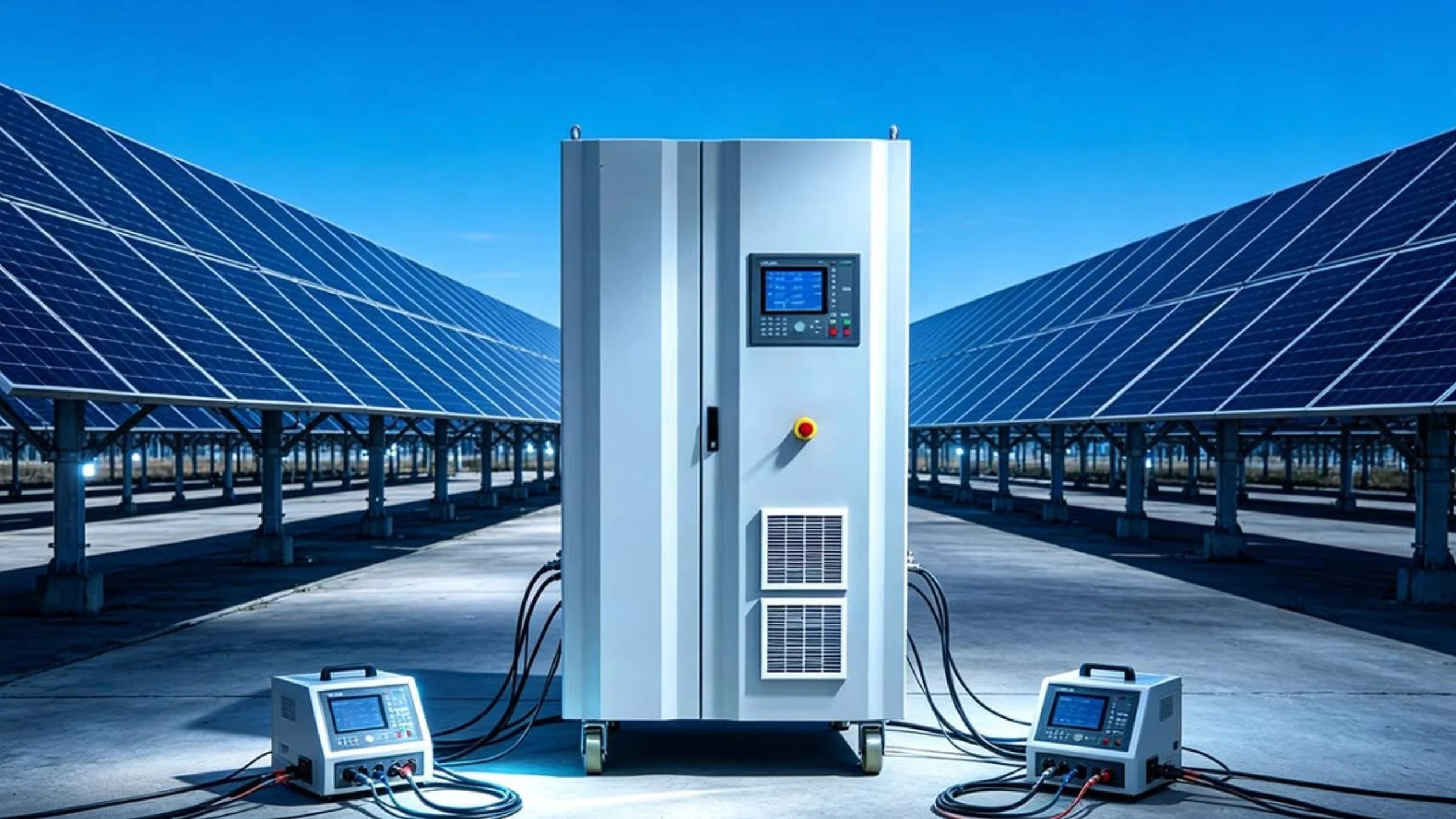
Understanding how a solar inverter works is fundamental to managing any solar energy asset effectively. The inverter sits at the center of every solar system, converting and controlling the flow of electricity before it reaches the grid or on-site loads, and it directly determines real-world generation performance, operational stability, and long-term yield optimization.
If solar panels are where energy is created, the inverter is the processing brain: simultaneously handling power conversion, output optimization, system monitoring, and protection. For asset owners and O&M teams alike, a solid grasp of solar inverter principles is not optional knowledge; it is the foundation for informed operational decisions.
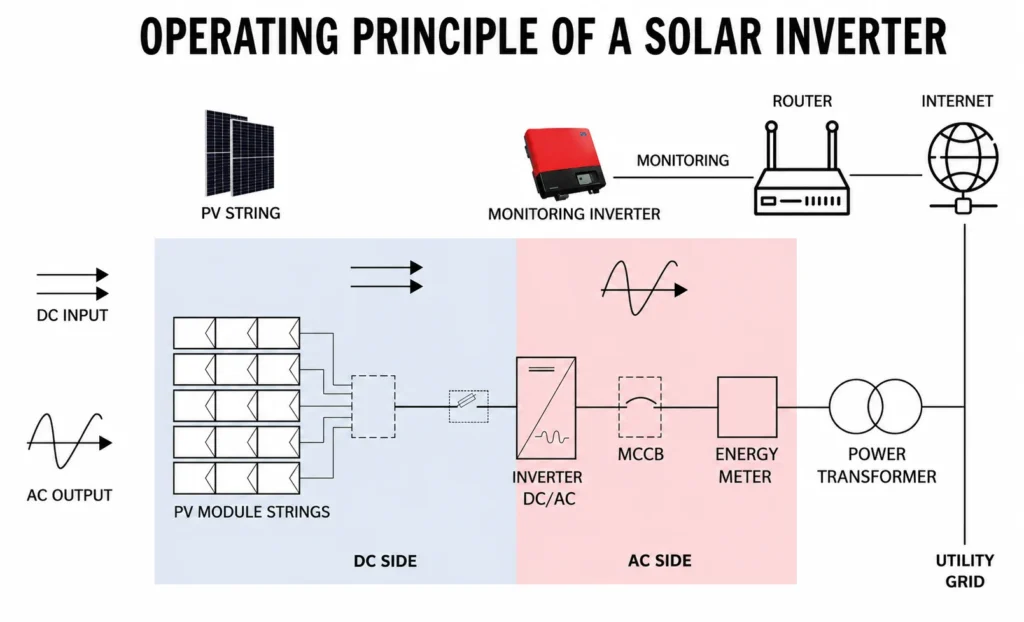
The fundamental solar inverter principle is converting direct current (DC) from the solar array into alternating current (AC) compatible with the grid or electrical loads. This is achieved through a bridge topology circuit using high-speed power semiconductors such as IGBTs or MOSFETs.
These switching components operate as electronic switches, toggling at high frequency to produce a waveform that closely replicates a clean sine wave. The process follows three sequential stages:
The result is a grid-compliant AC output with low total harmonic distortion (THD), meeting interconnection standards required for safe and stable grid injection.
MPPT (Maximum Power Point Tracking) is the algorithm at the heart of how solar inverters work to extract maximum energy from the array under constantly changing irradiance and temperature conditions.
The operating principle is continuous and iterative:
In practical terms, MPPT delivers several measurable benefits for system performance:
In solar O&M programs with continuous monitoring, per-string MPPT data is a key diagnostic input. It allows technical teams to detect early-stage degradation or shading losses that would otherwise be invisible in aggregate plant-level data.
Before any power can be exported, the inverter must achieve precise synchronization with the grid. This involves three simultaneous alignment checks:
Beyond synchronization, the anti-islanding protection mechanism is a critical safety requirement in all grid-tied systems. When a grid outage occurs, the inverter detects the loss of grid reference within milliseconds and disconnects automatically. This prevents the inverter from energizing a de-energized line, protecting utility maintenance personnel from inadvertent backfeed. Compliance with anti-islanding standards is a non-negotiable requirement in professionally managed solar O&M frameworks.
Understanding how solar inverter works goes beyond power conversion. Modern inverters function as the primary data node in any monitoring or SCADA architecture.
Modern inverters continuously log and transmit a range of operational parameters:
When integrated with a SCADA system, this data stream becomes the basis for quantitative performance management:
At Electric Bird, inverter data is the primary input for plant-level O&M analytics. It feeds directly into performance benchmarking, root cause analysis workflows, and proactive maintenance scheduling.
Beyond yield optimization, modern inverters also manage the quality of power delivered to the grid. Capabilities include:
These functions have direct financial implications for asset owners. Non-compliance with grid interconnection requirements can result in curtailment orders, reducing revenue on high-irradiance days when the economic value of generation is greatest. In C&I and utility-scale projects, inverter power quality control is a core component of long-term revenue protection.
Modern inverters are designed with self-diagnostic capability that extends well beyond simple fault alarms:
This diagnostic data is the foundation of effective root cause analysis (RCA) in solar O&M. Rather than reacting to individual faults in isolation, experienced O&M teams use inverter fault history to identify systemic degradation trends, build predictive maintenance plans, and minimize unplanned downtime across the asset lifecycle.

Knowing how solar inverter works in theory is only part of the picture. In practice, several operational failure modes consistently erode system output if not proactively managed.
When internal inverter temperatures exceed design thresholds, the device automatically reduces output power to protect its components. This derating typically occurs during peak irradiance hours, precisely the period when the economic value of generation is highest. Without adequate thermal management in the O&M program, cumulative annual yield losses from derating can be significant.
Several recurring hardware failure modes are commonly observed in operational solar plants:
These failures share a common characteristic: they tend to cause repeated short-duration downtime events rather than single catastrophic failures. This pattern makes them easy to underestimate in terms of cumulative yield impact.
The correct approach is root cause analysis and systematic component replacement, not repeated surface-level repairs.
Many inverter faults do not originate from a single discrete failure. They develop from gradual component degradation or prolonged adverse operating conditions. A reactive “fix when broken” approach rarely eliminates the underlying risk or prevents recurrence.
Solar Care+ is a specialist division of Electric Bird, providing technical services for commercial and industrial solar inverter diagnosis, repair, and performance recovery. Key service capabilities include:

Solar Care+ operates under a structured SLA framework, with incident response tiered by severity to ensure that critical performance metrics such as PR, system availability, and downtime duration are kept within contractually defined limits.
Beyond inverter repair, Electric Bird partners with asset owners across the full O&M lifecycle: maintaining stable performance, reducing yield losses, and supporting long-term asset value through data-driven operational management.
Contact Solar Care+ to arrange a technical assessment and inverter diagnostic review for your solar plant.
A solar inverter converts DC electricity generated by solar panels into AC electricity for use by on-site loads or export to the grid. It also manages system monitoring, output optimization, and protection functions.
MPPT (Maximum Power Point Tracking) is an algorithm that continuously adjusts the inverter’s operating point to extract the maximum available power from the array. It is particularly important under variable irradiance or partial shading conditions.
This is called thermal derating. When internal temperatures exceed the inverter’s design threshold, it automatically reduces output power to protect its components. This typically occurs during peak generation hours, making it a meaningful source of yield loss if left unmanaged.
Common faults include DC ground faults, insulation degradation, DC link capacitor aging, control board errors, and overheating. Recurring faults of this type require root cause analysis rather than repeated reactive repairs.
In a grid-tied solar system, the inverter controls all AC output. If the inverter stops operating, the system cannot generate or export electricity until the inverter is repaired or replaced.
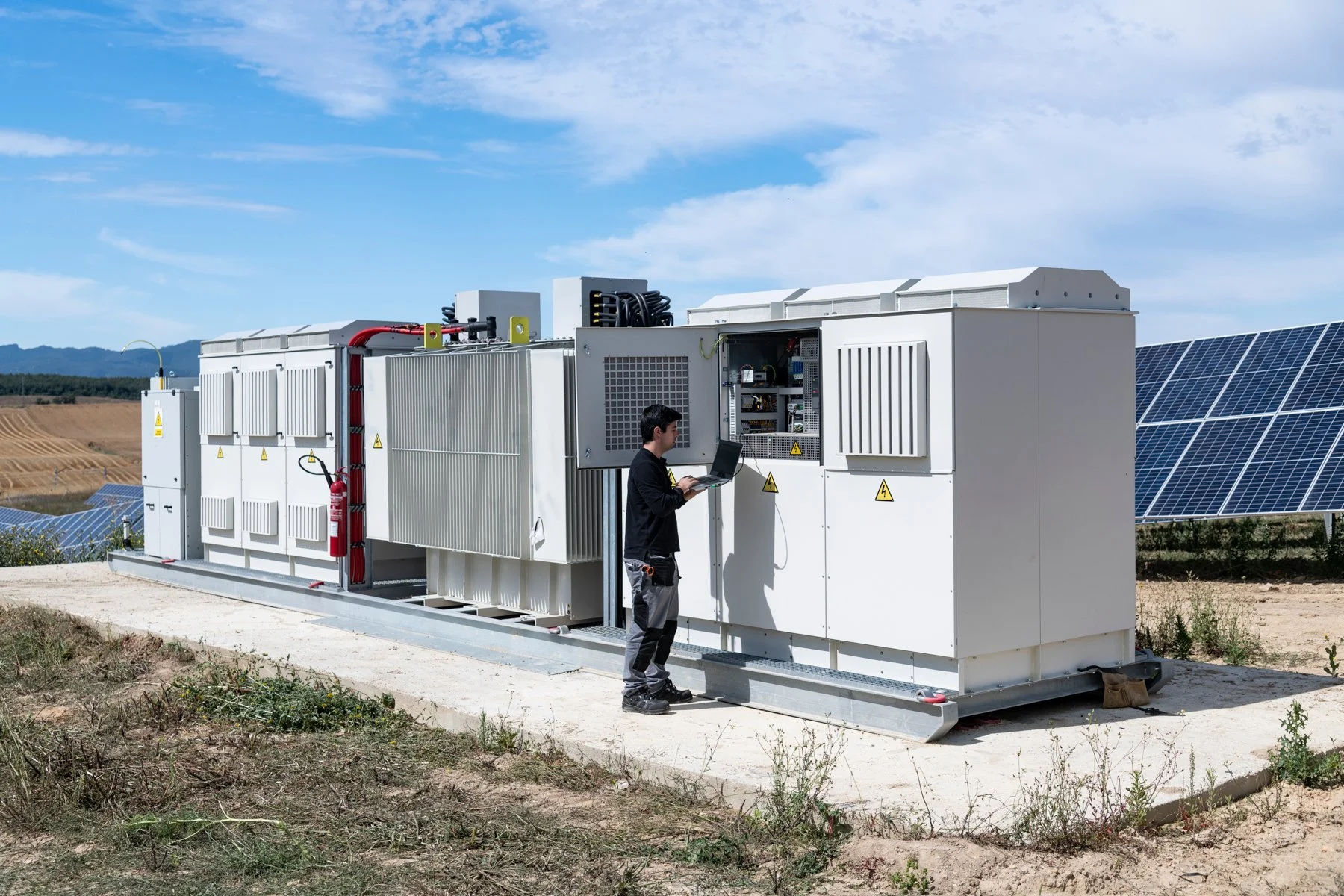

The inverter is the heart of any solar power system. It converts DC electricity from solar panels into usable AC power for on-site consumption or grid export. When an inverter fails, the entire system’s output drops, downtime increases, monitoring data is lost, and the return on your solar investment takes a direct hit. That is […]
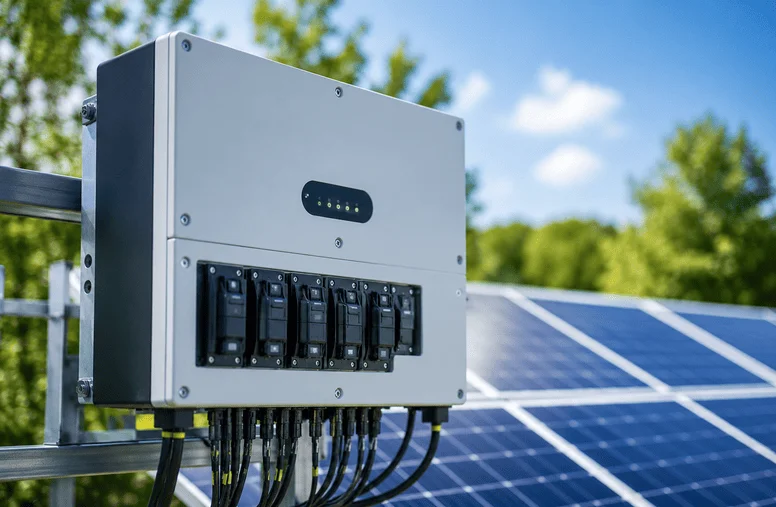
When an inverter fault code appears, acting fast is critical. Learn the corrective maintenance workflow that protects solar power inverter efficiency and minimizes costly downtime. Why Inverter Fault Codes Demand a Structured Response The inverter is the operational core of any solar energy system. It converts DC power from the solar array into grid-compatible AC […]
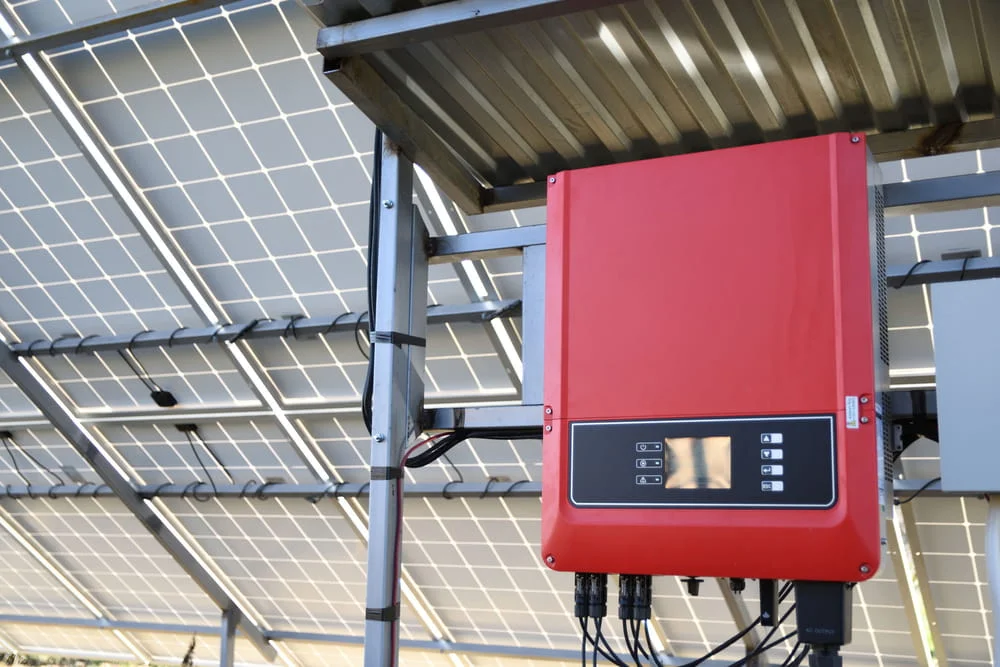
Solar inverter fault codes are the system’s first line of communication when something goes wrong. As the core device responsible for converting DC power from solar panels into usable AC electricity, the inverter operates continuously under demanding conditions. When a fault occurs, the impact is immediate: energy yield drops, downtime increases, and the financial performance […]