1528+
MWp Capacity435+
Projects1528+
MWp Capacity435+
Projects1528+
MWp Capacity435+
Projects1528+
MWp Capacity435+
Projects
1528+
MWp Capacity435+
Projects1528+
MWp Capacity435+
Projects1528+
MWp Capacity435+
Projects1528+
MWp Capacity435+
Projects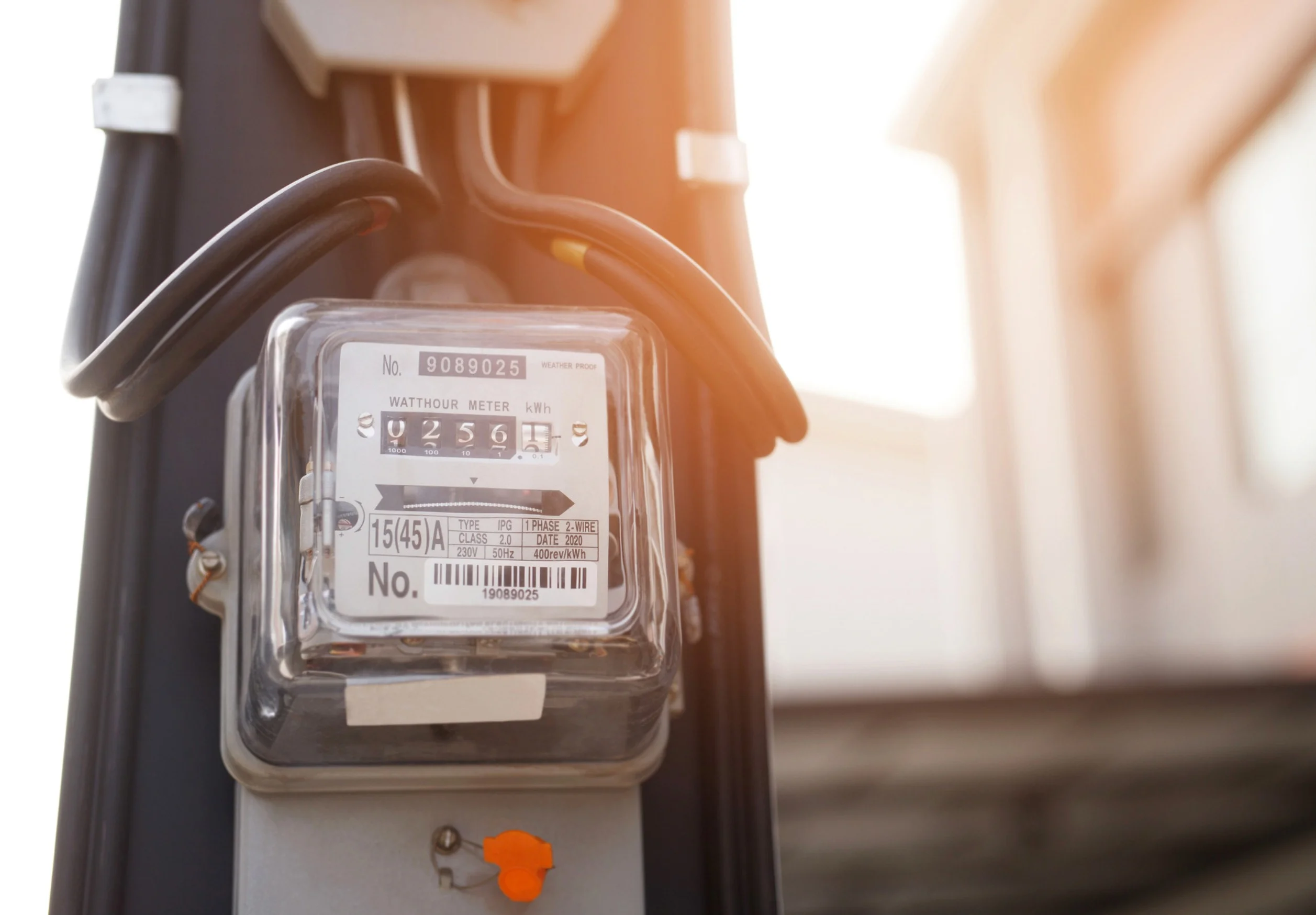
Understanding peak electrical hours is a practical advantage for any facility manager or business owner.
Knowing exactly when demand spikes allows operations teams to reschedule high-draw equipment, reduce strain on the grid, and meaningfully cut monthly energy costs over the long term.
Peak electrical hours are defined time windows when electricity demand surges, driven by simultaneous high-consumption activity across industrial facilities, commercial operations, and residential users.
Because the grid must draw on additional generation sources to meet this concentrated load, electricity tariffs during these windows are set higher to encourage consumers to spread usage more evenly throughout the day.
Under current regulations commonly applied across industrial and commercial tariff structures, the standard peak electrical hours are:
These windows apply Monday through Saturday.

It is important to note that while the peak hour schedule is standardized by the electricity authority, the actual cost impact on a business depends on its tariff group, voltage level, and consumption profile. V
ietnam’s electricity pricing, for example, maintains separate rate structures for commercial three-phase customers and industrial production users, with distinct multipliers applied across peak, normal, and off-peak periods.
Businesses should regularly review the current tariff schedule applicable to their category and region to ensure operational planning reflects accurate cost data.
Each billing period is divided into three distinct rate tiers, and the difference in cost between them is significant for high-consumption facilities:
For manufacturing plants, aligning operational scheduling with these tiers is not simply a cost-reduction tactic; it is a core component of asset management strategy. Reducing load during peak windows also lowers thermal stress on electrical infrastructure, which contributes to longer equipment service life.
Managing exposure to peak electrical hours requires a combination of operational scheduling, equipment efficiency, and energy source diversification.
Large motors, air compressors, refrigeration systems, and production lines are the primary contributors to peak demand spikes. Practical steps include:
Beyond scheduling, the baseline efficiency of operating equipment directly affects total consumption at any given hour.
Periodic maintenance, electrical system audits, motor optimization, and minimizing energy losses all reduce the volume of electricity drawn during peak electrical hours. Facilities with high annual consumption should build a long-term energy management plan rather than reacting to monthly billing cycles.
Solar power is one of the most practical tools available to C&I and industrial customers seeking to reduce grid purchases during daytime production hours. A properly sized rooftop or ground-mount solar system can offset a significant portion of consumption during the morning peak window (09:30 – 11:30), directly cutting the volume of electricity purchased at the highest tariff rate.
Investing in solar energy enables businesses to:

Electric Bird is a solar energy company operating across Vietnam, providing end-to-end services from feasibility assessment and system design through EPC (engineering, procurement, and construction) to long-term O&M and asset management.
Our integrated EPC and solar O&M model ensures that systems do not only generate at commissioning, but continue to perform against design benchmarks throughout their operational life. Key functions of Electric Bird’s O&M service include:

Beyond initial installation, Electric Bird focuses on comprehensive energy management, helping businesses optimize electricity costs, reduce reliance on grid-supplied power during peak electrical hours, and improve the overall return on their solar investment.
Contact Electric Bird today for a consultation on solar solutions tailored to your facility’s operational profile and energy cost targets.
The standard peak windows are 09:30 – 11:30 and 17:00 – 20:00, applied Monday through Saturday.
Higher demand requires the grid to activate additional generation sources, raising supply costs; tariff rates are set higher to encourage load redistribution.
Yes. Rescheduling high-draw equipment away from peak windows is one of the most direct ways to reduce energy expenditure without affecting output.
Yes. A solar system generating during daytime hours can offset grid purchases during the morning peak window, lowering the volume of electricity billed at the highest rate.
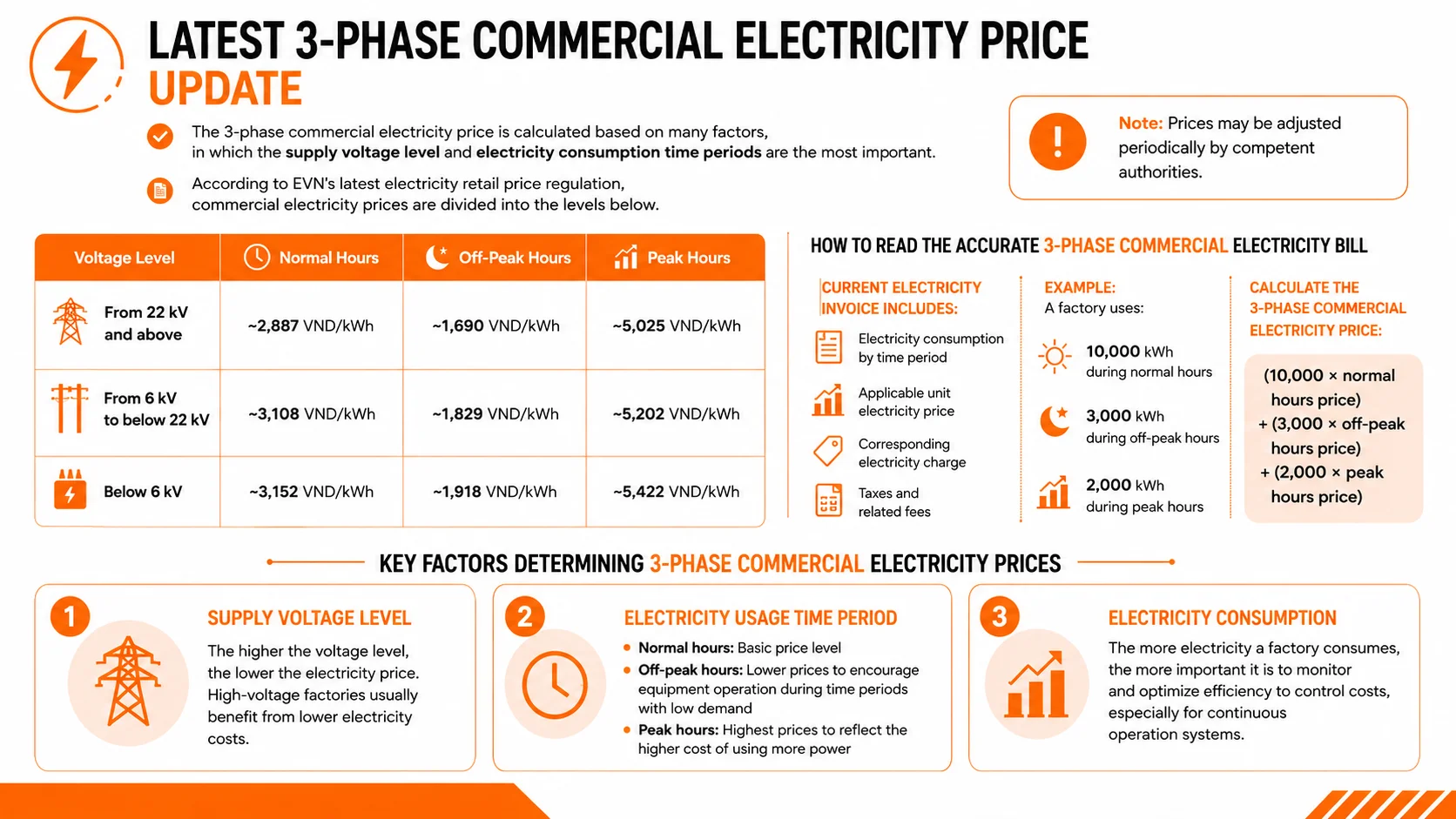

The 3-phase commercial electricity tariff in Vietnam is structured around voltage level and time-of-use billing, which means your monthly electricity bill is not fixed. It shifts based on when and how much power your facility draws. Understanding this structure is the first step toward meaningful cost control. What Is Commercial Electricity? Key Sectors That Use […]

For industrial facilities in Vietnam, electricity is one of the largest recurring operational expenses, especially for production lines running around the clock. Understanding how the Vietnam industrial electricity tariff is structured allows factory managers and asset owners to control costs, optimize production scheduling, and make informed decisions about energy investments. The short answer: your monthly […]

With rising electricity costs and growing pressure to meet sustainability targets, more factories and businesses are turning to solar as a practical solution. Understanding the full pros and cons of solar energy helps decision-makers invest with clarity, not guesswork. The Key Advantages of Solar Energy for Businesses The pros and cons of solar energy are […]