Solar Inverter Types: How to Choose and When to Replace
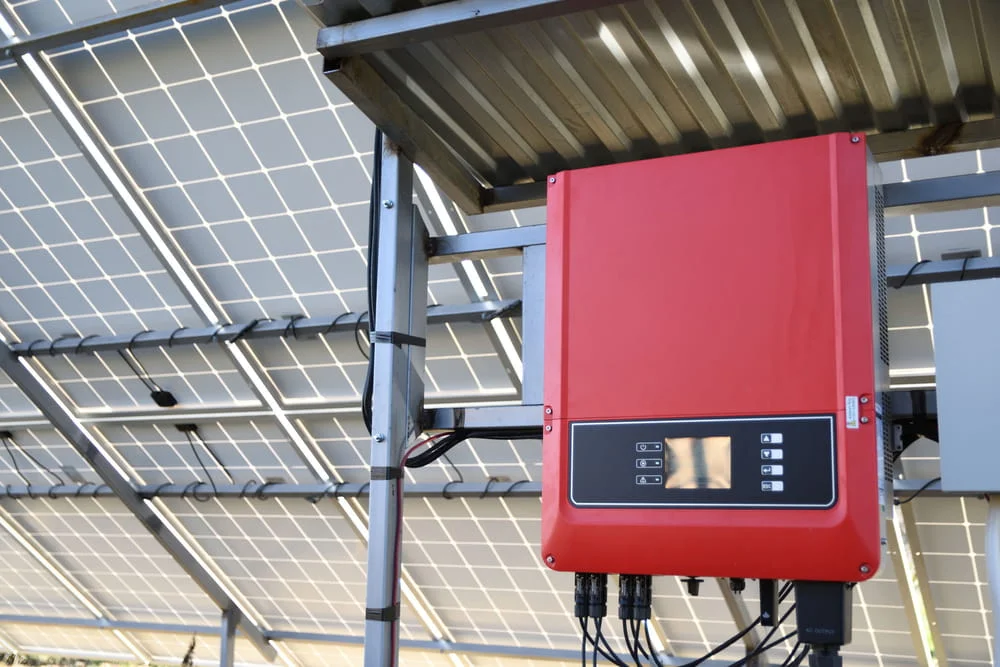
A solar inverter is the operational heart of any photovoltaic system, converting direct current (DC) generated by solar panels into alternating current (AC) for on-site consumption or grid export.
Choosing the right solar inverter and knowing when to replace it are two of the most consequential decisions an asset owner can make to protect long-term energy yield and return on investment.
What Is a Solar Inverter?
A solar inverter is the central device in a solar power system responsible for DC-to-AC conversion, enabling generated electricity to power loads or feed into the utility grid. In any solar O&M program, the inverter is far more than a converter; it is the control node of the entire system.
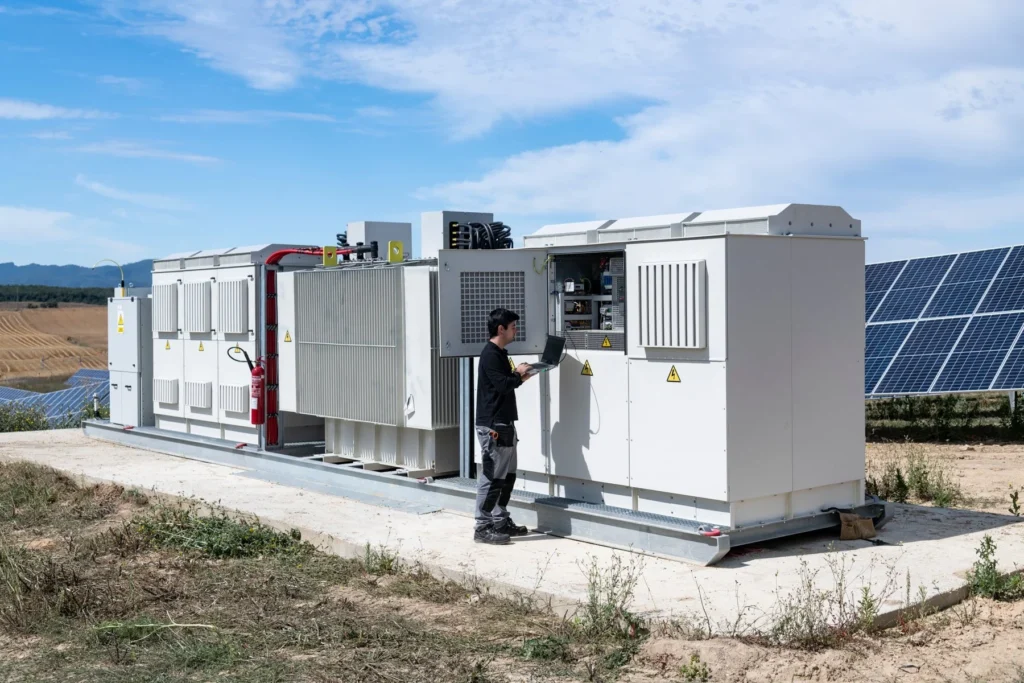
Beyond basic conversion, a solar inverter performs three critical technical functions:
- Maximum Power Point Tracking (MPPT): Continuously adjusts the system’s operating point to extract maximum output under varying irradiance and temperature conditions.
- Performance monitoring: Collects and analyzes real-time operational data including energy yield, voltage, current, and fault status, forming the foundation for predictive maintenance.
- Safety protection: Integrates overvoltage, undervoltage, overcurrent, short-circuit, and anti-islanding mechanisms to ensure grid-compliant, safe operation at all times.
Types of Solar Inverters: A Technical Comparison
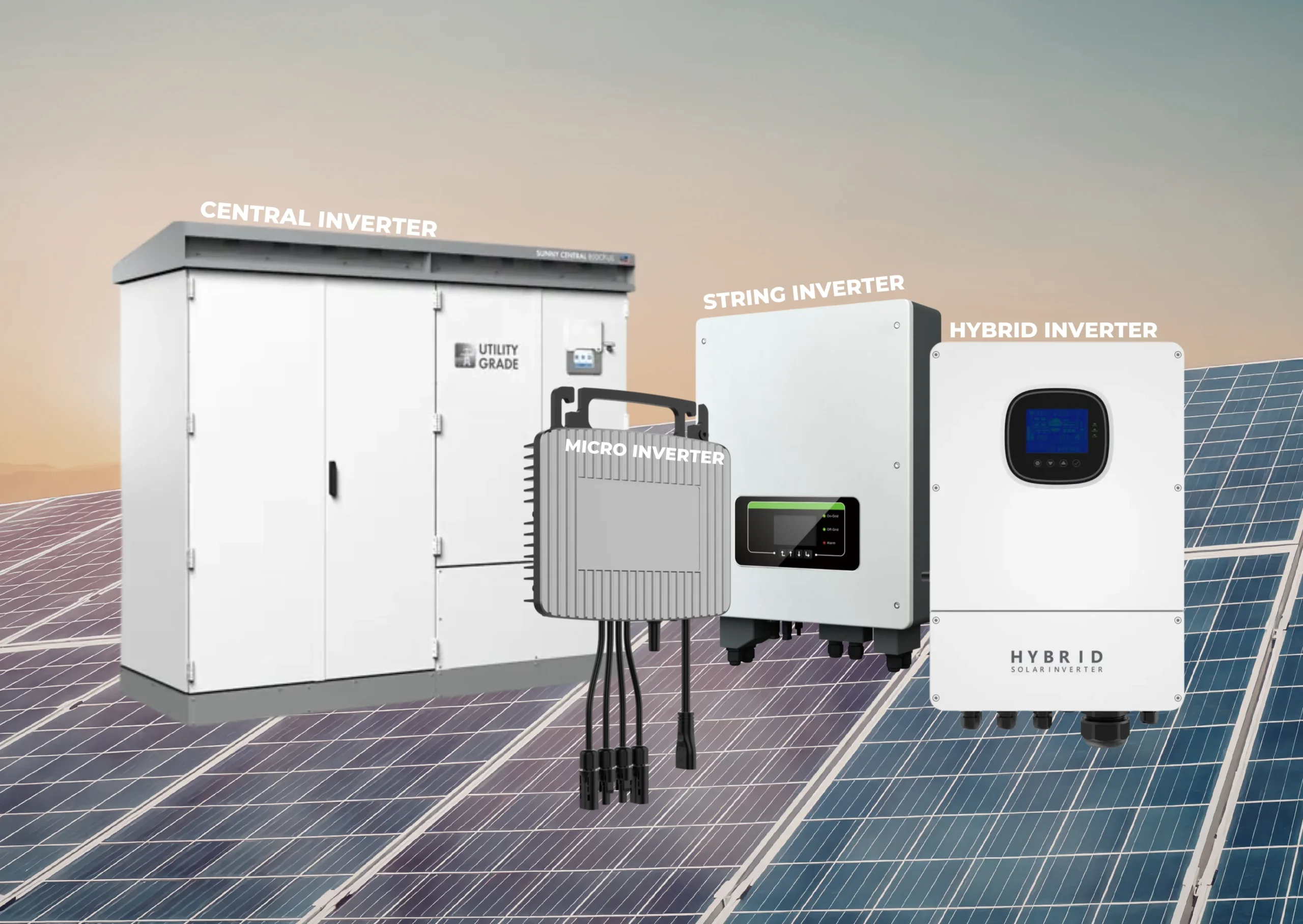
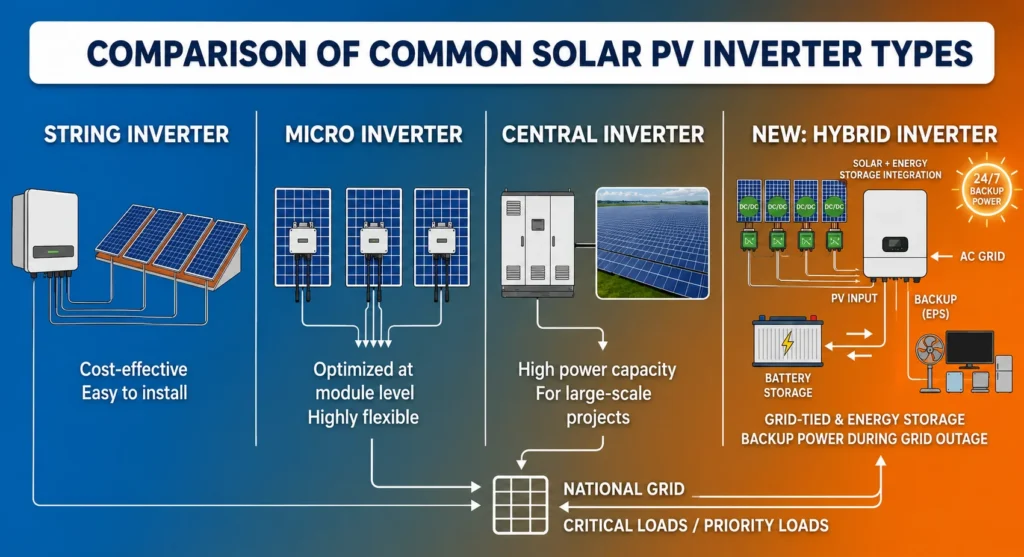
Selecting from the available types of solar inverters is not a one-size-fits-all decision. Each topology has distinct performance characteristics, cost structures, and optimal use cases. Asset owners should evaluate inverter type against system configuration, installation environment, and long-term O&M strategy.
#1 String Inverter
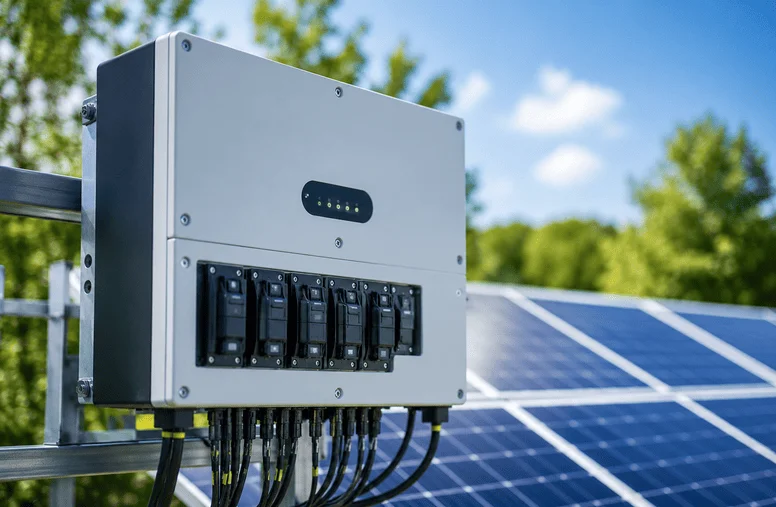
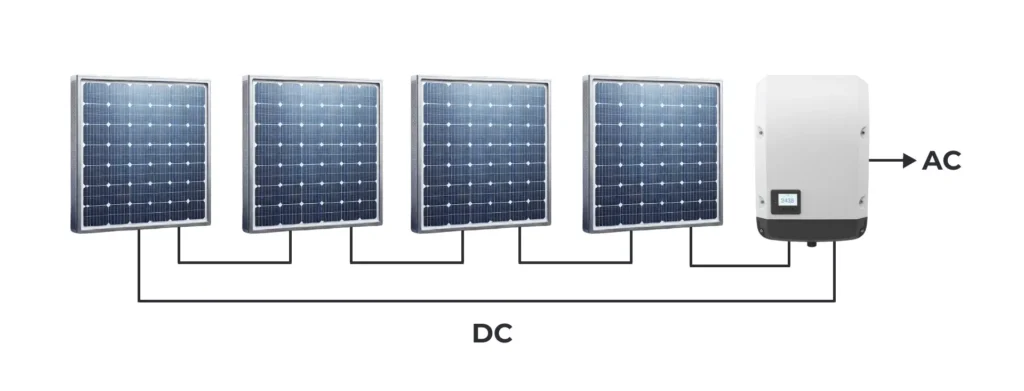
How it works: Multiple panels are wired in series to form DC strings, which feed into a single inverter unit. Most modern string inverters integrate multiple MPPT channels to optimize across different string orientations.
Key advantages:
- Low cost per kW installed
- Conversion efficiency of 97–99%
- Straightforward installation, maintenance, and replacement
- Scalable across a wide range of system sizes
Limitations:
- Partial shading on one panel degrades performance across the entire string
- No panel-level monitoring without additional hardware
Best suited for: C&I rooftop systems, medium-scale solar plants, commercial and industrial applications. This remains the dominant choice for most solar EPC projects in Vietnam due to its balance of cost, efficiency, and serviceability.
#2 Solar Micro Inverter
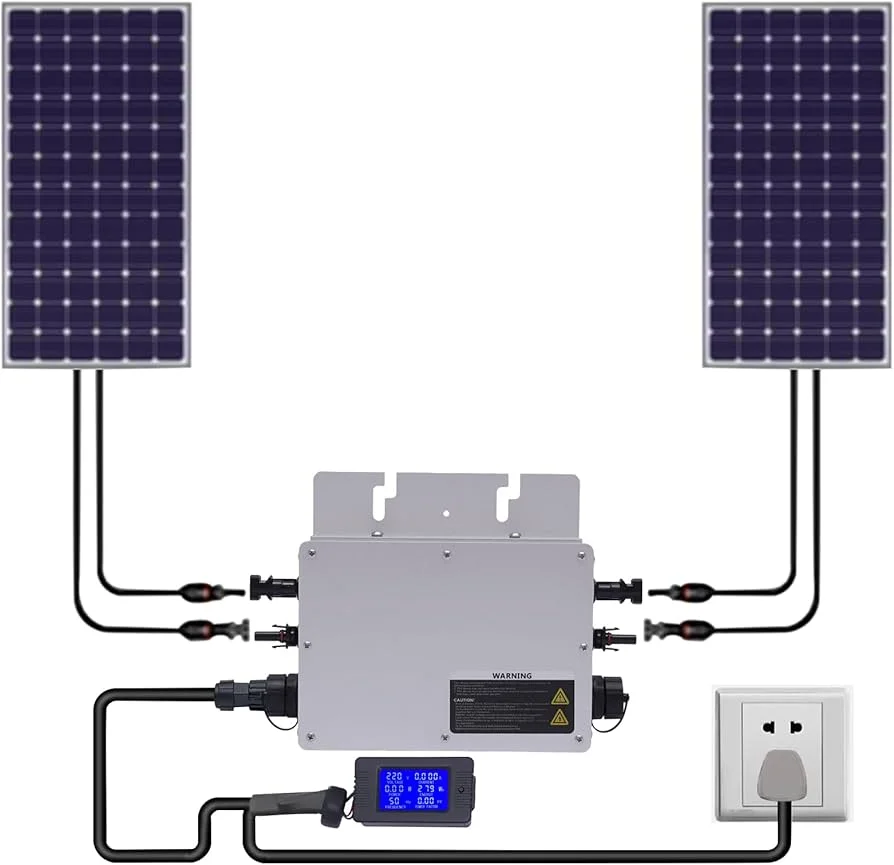
How it works: A solar micro inverter is mounted directly on each individual panel, performing DC-to-AC conversion at the module level. Each unit operates independently with its own MPPT channel.
Key advantages:
- Per-panel optimization eliminates string-level shading losses
- Granular panel-level monitoring for precise fault detection
- Inherently safer due to the absence of high-voltage DC wiring across the roof
Limitations:
- Highest upfront cost per kW
- Greater number of field units increases maintenance complexity at scale
- Replacement logistics become costly on large arrays
Best suited for: Residential premium installations, complex rooftop geometries with multiple orientations, sites with irregular shading patterns. The solar micro inverter is the right choice when per-panel performance visibility is a priority and the system is not large enough to absorb the unit cost premium.
#3 Central Inverter
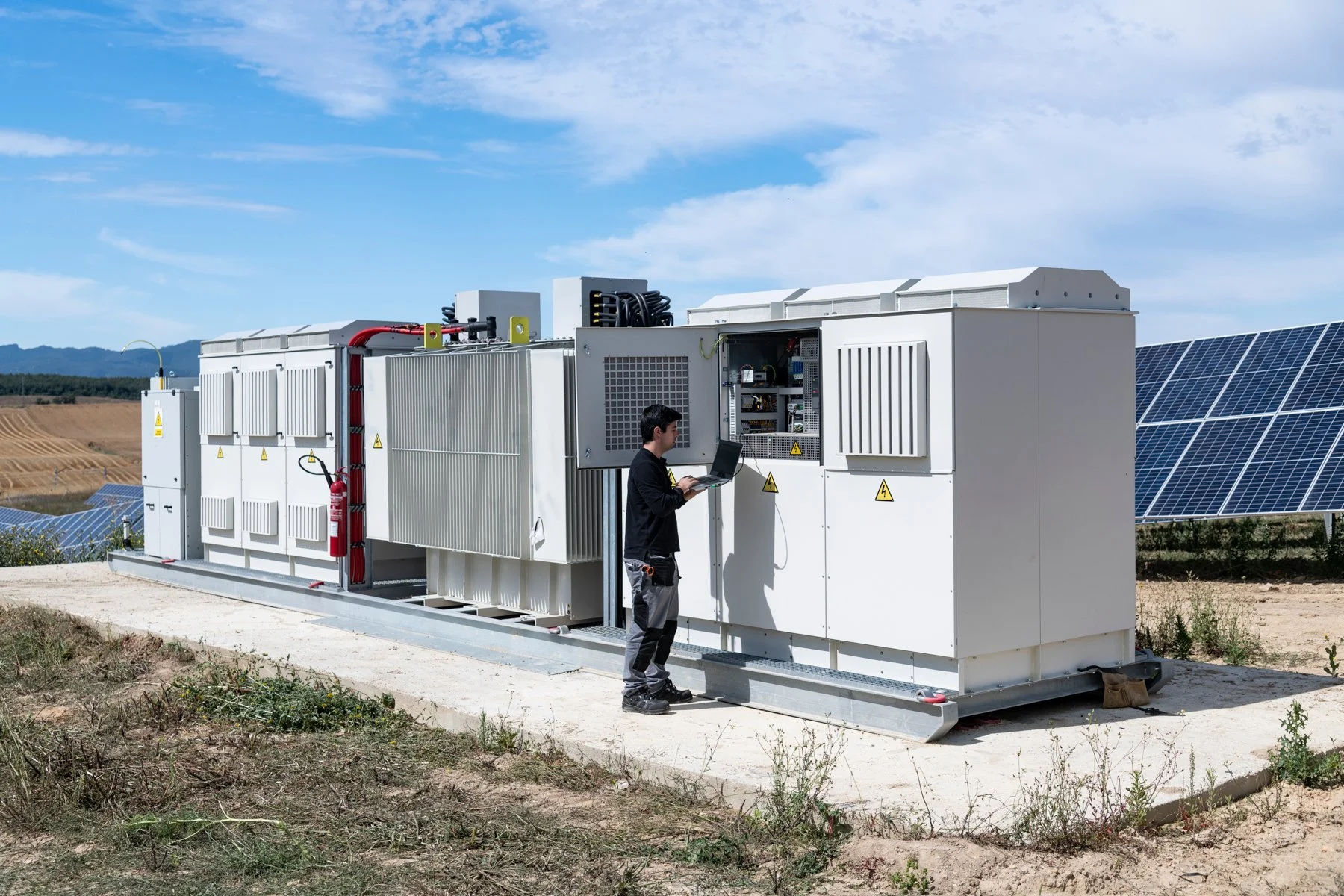
How it works: A high-capacity unit (ranging from hundreds of kilowatts to multiple megawatts) aggregates all DC strings from a large array into a single conversion point. Central inverters typically feature fewer MPPT channels and are designed for utility-scale architectures.
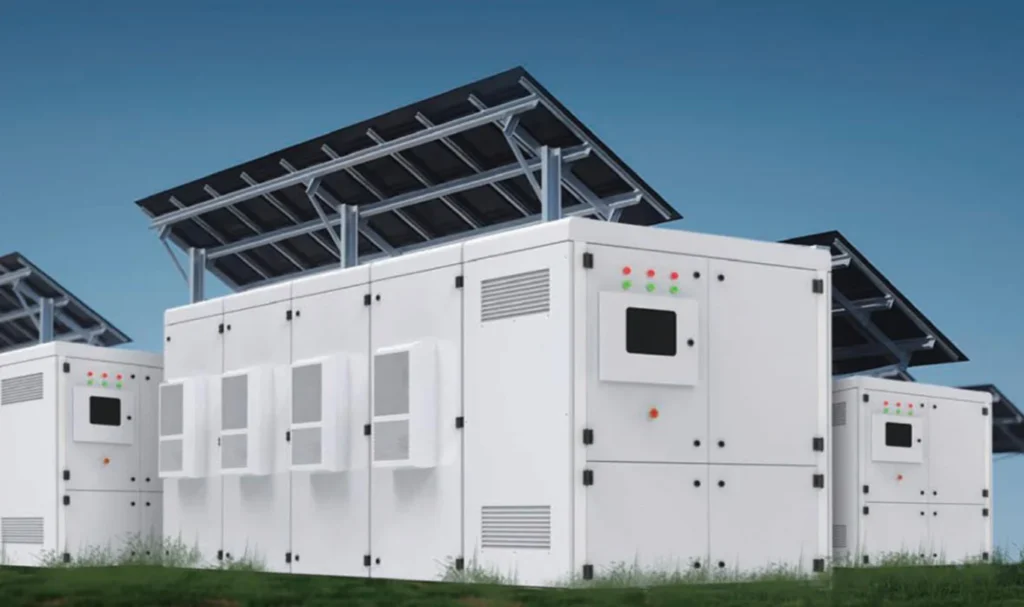
Key advantages:
- Conversion efficiency reaching 98–99%
- Lowest cost per MW at scale
- Centralized control simplifies integration with SCADA platforms
Limitations:
- Single point of failure; a fault affects the entire generation block
- Limited flexibility for incremental system expansion
- High technical and operational requirements for maintenance crews
- Downtime incidents carry significant revenue impact
Best suited for: Utility-scale ground-mounted solar farms and large independent power producer (IPP) projects. The risk of concentrated downtime is the primary trade-off against its cost efficiency advantage.
#4 Hybrid Inverter
How it works: A hybrid inverter combines solar conversion with integrated battery management, supporting grid-tied operation, energy storage charging and discharging, and backup power modes within a single unit.
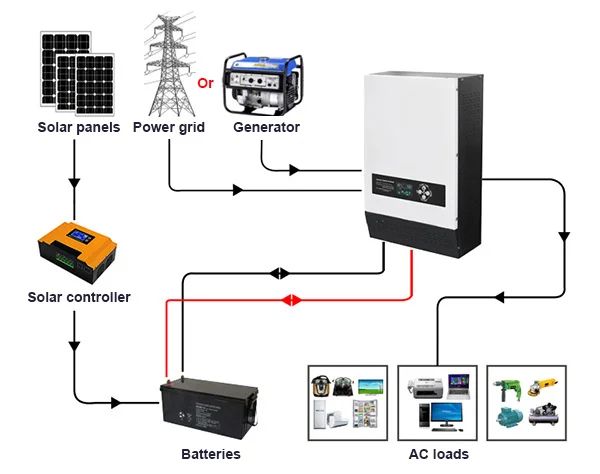
Key advantages:
- Stores surplus generation for use during peak-demand or grid-outage periods
- Optimizes self-consumption ratio, reducing reliance on grid purchases
- Integrates Energy Management System (EMS) functionality for intelligent dispatch
Limitations:
- Higher capital cost relative to standard string inverters
- System design complexity increases with battery configuration
- Requires higher technical competency for commissioning and maintenance
Best suited for: Businesses requiring grid backup, facilities optimizing self-consumption, and residential users seeking energy independence. As battery storage adoption accelerates under Vietnam’s evolving DPPA and net-metering frameworks, the hybrid inverter is becoming an increasingly relevant asset in both C&I and utility-scale planning discussions.
Applications of the Solar Inverter in PV Systems
The role of a solar inverter extends well beyond DC-to-AC conversion. In modern asset management practice, the inverter functions as the primary data source, control point, and protection layer for the entire plant:
- Energy yield optimization: The MPPT algorithm continuously tracks the optimal operating point under real-time weather conditions, which is especially critical on sites with mixed orientations or variable irradiance throughout the day.
- Operational data collection and analysis: Inverter monitoring systems stream voltage, current, and yield data in real time, enabling performance benchmarking against design PR (Performance Ratio) and supporting condition-based maintenance schedules.
- Grid synchronization and power dispatch: The solar inverter maintains voltage and frequency synchronization with the grid while managing power allocation between solar generation and connected loads.
- System protection and fault response: Integrated protection functions, including insulation fault detection and anti-islanding, enable automatic disconnection during abnormal grid events, protecting both equipment and personnel.
When Does a Solar Inverter Need Replacement?
The average operational lifespan of a solar inverter is 8 to 15 years, driven by thermal cycling stress on electronic components under continuous load. Replacement decisions should be grounded in objective technical indicators rather than age alone.
The following signals warrant a formal inverter assessment:
1. Measurable yield degradation under stable irradiance conditions
When energy output drops consistently without a corresponding change in irradiance or soiling levels, internal component wear, particularly in capacitors or IGBT power modules, is the likely cause. This directly compresses system IRR and should be quantified against the original design yield baseline.
2. Recurring fault codes that cannot be resolved by reset
Persistent errors such as overvoltage faults, insulation faults, or grid faults indicate hardware-level failure rather than transient anomalies. Repeated reset cycles without root-cause resolution signal that the inverter has entered an accelerated failure mode.
3. End-of-life internal components
Electrolytic capacitors, cooling fans, and IGBT modules carry rated lifespans that often fall below the inverter’s nominal warranty period. When these components degrade, the unit becomes prone to overheating, efficiency loss, and unpredictable shutdown events.
4. Incompatibility with system upgrades
Expanding the PV array or integrating a BESS requires inverter-side support for updated communication protocols and control interfaces. Legacy inverters that cannot interface with new equipment create operational bottlenecks and limit the system’s ability to benefit from capacity additions.
5. Repair cost exceeding 50% of replacement value
As a practical rule used in O&M asset management: when the estimated repair cost crosses approximately 50% of the cost of a new equivalent unit, replacement typically delivers a better long-term financial outcome through reduced downtime risk and improved efficiency.
Repair or Replace? A Decision Framework
The choice between repairing and replacing a solar inverter requires a multi-factor evaluation. The table below provides a practical reference for asset owners:
| Criteria | Repair | Replace |
|---|---|---|
| Equipment age | Under 5 years | Over 8–10 years |
| Fault frequency | Infrequent | Recurring |
| Repair cost | Low relative to asset value | High, approaching replacement cost |
| Technology fit | Still compatible with system | Outdated or incompatible |
Key principle: If the solar inverter is directly constraining system ROI through yield loss or recurring downtime, replacement should take priority. Delaying the decision compounds opportunity cost across the remaining asset life of the PV plant.
For a reliable assessment, asset owners should engage an experienced solar O&M company to conduct inverter diagnostics before committing to either path.
How Electric Bird and Solar Care+ Support Inverter Management
The inverter is the component that most directly determines system performance and revenue stability. Regular inspection, early fault detection, and technically sound intervention are what separate well-managed solar assets from those experiencing silent yield erosion.
Solar Care+, a member unit of Electric Bird, provides specialized inverter inspection, diagnostics, and repair services for commercial and industrial solar systems.
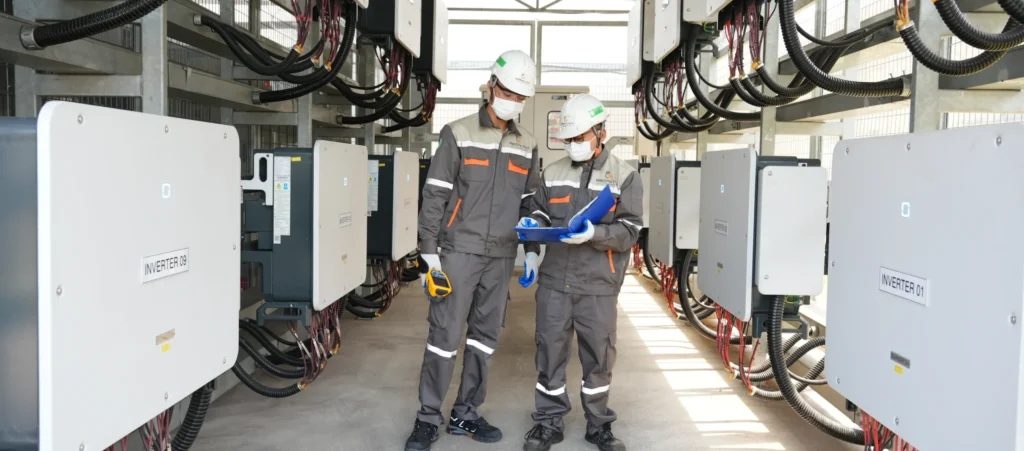
With a technically experienced field team and a structured service process, Solar Care+ supports asset owners across the full inverter management cycle:
- Operational condition assessment of installed inverter units
- Fault code analysis and monitoring data review
- Root-cause diagnosis of performance degradation
- Recommendation of repair or replacement options based on cost-benefit analysis
- Rapid fault resolution to minimize downtime and protect energy yield
If your solar system is showing inverter faults, declining output, or unstable operation, early diagnosis is the most cost-effective response. Contact Solar Care+ to have your solar inverter assessed by an experienced technical team.
Frequently Asked Questions about Solar Inverter
What are the main types of solar inverters and how do I choose?
The four main types are string inverter, solar micro inverter, central inverter, and hybrid inverter. Selection depends on system scale, installation conditions, and the balance between upfront cost and performance visibility.
How long does a solar inverter typically last?
Most solar inverters operate reliably for 8 to 15 years, depending on equipment quality, operating environment, and maintenance frequency.
Why do solar inverters tend to fail before solar panels?
Inverters contain heat-sensitive electronic components, including capacitors, IGBTs, and cooling fans, that degrade faster under continuous thermal and electrical load than panel-based semiconductors.
Is periodic inverter maintenance necessary?
Yes. Scheduled inspection, cleaning, and performance review of the solar inverter help identify early faults and extend the unit’s operational lifespan.
Does a solar inverter directly affect energy yield?
Yes. As the conversion point of the system, inverter efficiency and health directly determine how much of the solar energy captured by the panels is successfully delivered as usable AC output.