1528+
MWp Capacity435+
Projects1528+
MWp Capacity435+
Projects1528+
MWp Capacity435+
Projects1528+
MWp Capacity435+
Projects
1528+
MWp Capacity435+
Projects1528+
MWp Capacity435+
Projects1528+
MWp Capacity435+
Projects1528+
MWp Capacity435+
Projects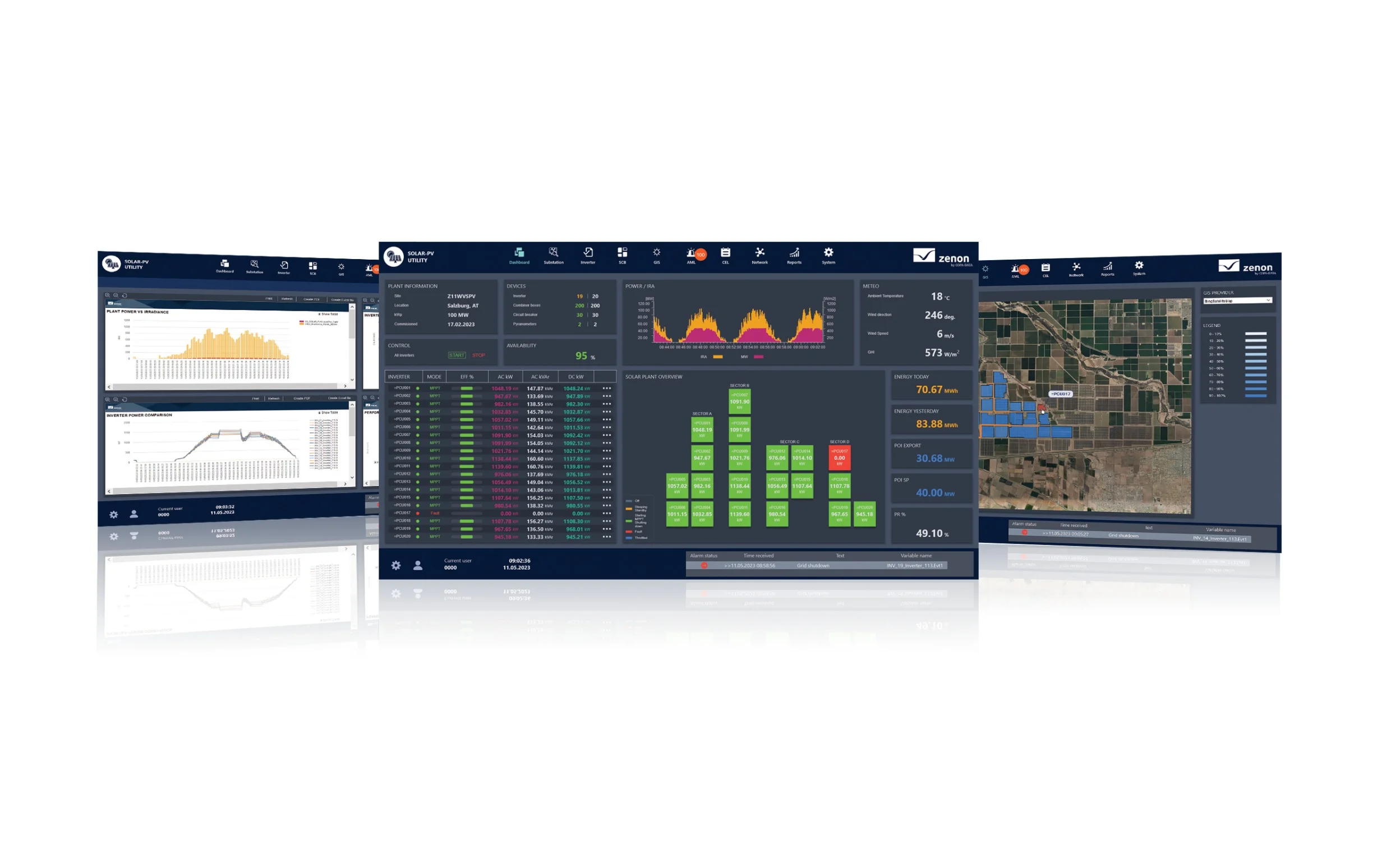
During the investment and operation of solar power plants, many businesses confuse monitoring with SCADA. While both serve the purpose of system oversight, these two platforms differ significantly in terms of functionality, control capabilities, and operational support.
For large-scale projects in particular, understanding the role of SCADA in a solar power system helps investors optimize energy output, reduce downtime, and improve long-term operational efficiency.
So how does a solar power monitor differ from SCADA? When is monitoring enough, and when should you deploy SCADA for your solar system? Read on for a detailed breakdown.
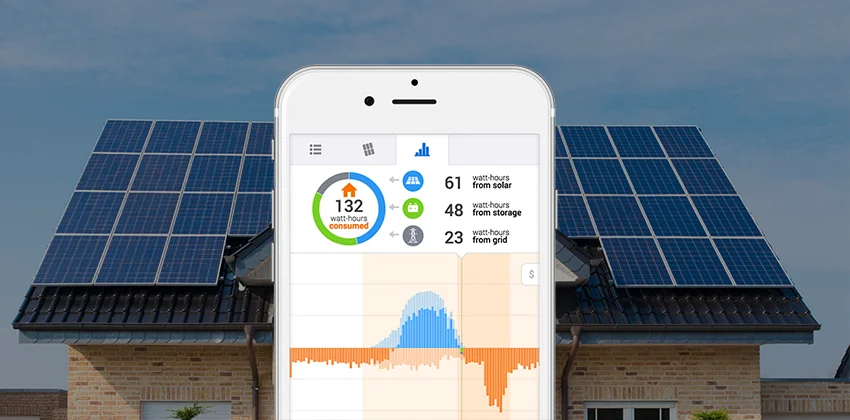
A solar power monitor is a data tracking platform for solar plant operations. It is widely used in rooftop systems and mid-sized plants, giving operators real-time visibility into system performance.
A basic solar power monitor typically displays:
The primary purpose of a solar power monitor is to support observation, data logging, and operational reporting. However, monitoring platforms generally stop at “viewing data” and do not offer advanced control capabilities.
For smaller projects, a solar power monitor is usually sufficient to track system performance. For utility-scale plants or systems requiring centralized management, however, monitoring alone often falls short of full operational requirements.
SCADA (Supervisory Control And Data Acquisition) is a centralized monitoring and control system widely used in industrial and energy applications. In solar power systems, SCADA acts as the “operational brain” of the entire plant.
Unlike a solar power monitor, SCADA does not just collect data. It also enables:
Today, SCADA in solar power systems is typically deployed at utility-scale plants, large rooftop clusters, or any facility requiring professional O&M-standard operations.
The core distinction lies in control capability.
A solar power monitor is primarily designed for observing operational status, including:
However, a solar power monitor cannot intervene directly in the system. Operators receive information but cannot execute remote control actions.
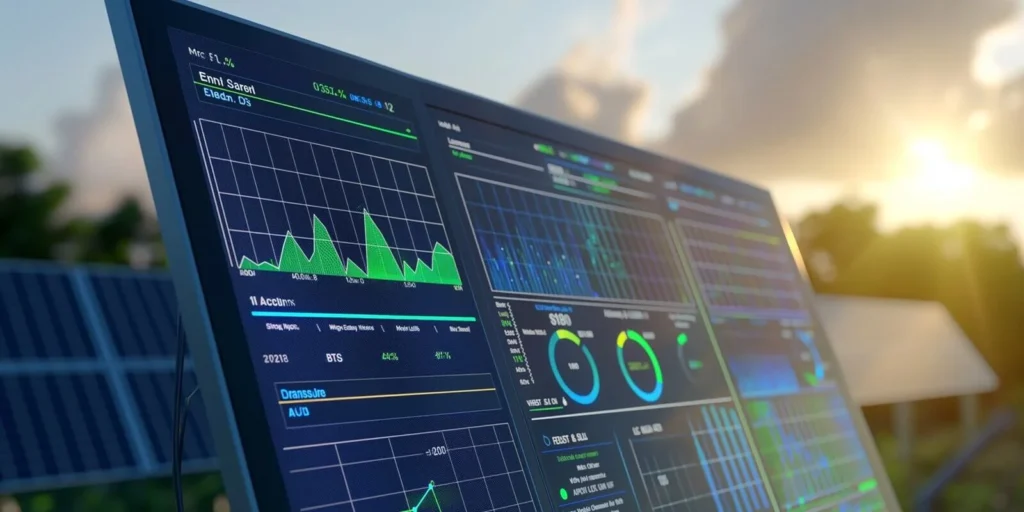
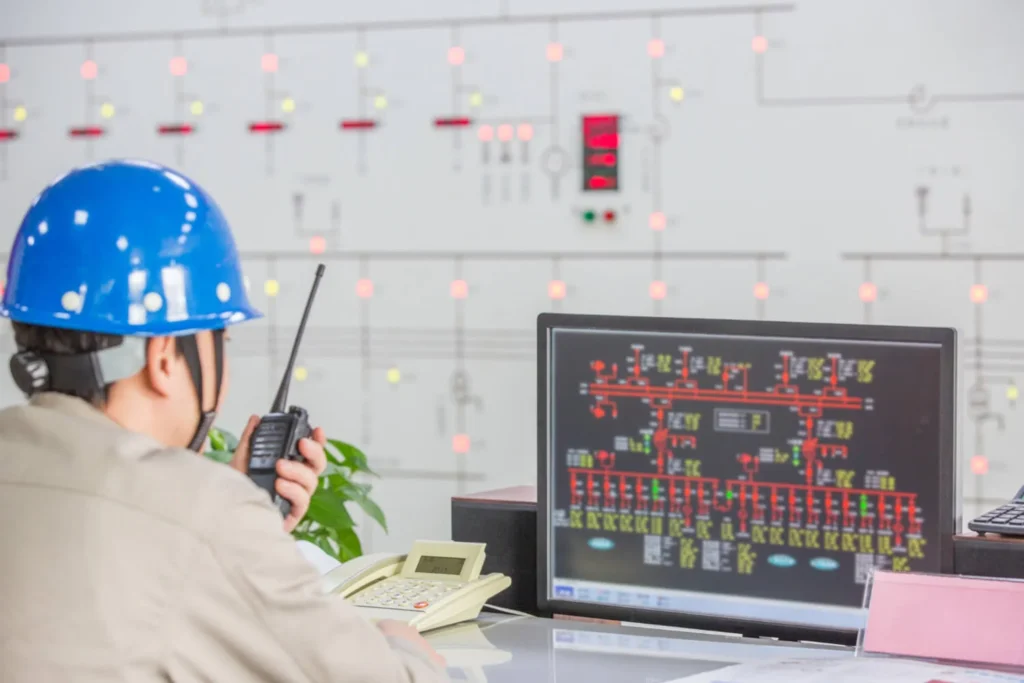
By contrast, SCADA in a solar power system allows operations teams to actively manage the plant from a central control center.
SCADA can:
This is why SCADA is widely regarded as a critical platform for professional solar power plant operations.

| Criteria | Solar Power Monitor | SCADA |
|---|---|---|
| Core function | Data tracking | Monitoring + control |
| Equipment control | No | Yes |
| Alarm level | Basic | Advanced |
| Data analysis | Limited | In-depth |
| Remote inverter control | No | Yes |
| Operational automation | Low | High |
| Data storage and retrieval | Basic | Professional |
| Suitable scale | Small rooftop | Large plant / utility-scale |
| Investment cost | Lower | Higher |
| Role in O&M | Observation | Operational optimization |
As the table shows, SCADA is better suited to solar projects that require performance optimization, centralized management, and reduced operational risk.
Electric Bird is a solar company focused on O&M solutions and performance optimization for commercial and industrial solar systems. With hands-on experience across multiple real-world projects, Electric Bird’s technical team applies SCADA in solar power systems to enhance plant monitoring and control.
Electric Bird’s SCADA solution supports:
Through its SCADA solution, Electric Bird’s technical team can proactively resolve incidents, shorten response times, and improve overall solar plant operational efficiency for plant owners.
If your business is looking to improve solar operational efficiency and professional system management, Electric Bird can assess your current solar power monitor or SCADA setup and recommend the right model for each project.
Contact Electric Bird today for a consultation tailored to your solar power system.
A solar power monitor is a platform that tracks operational data such as energy output, inverter capacity, voltage, current, and basic alarms. It is primarily used for observation and operational reporting.
A solar power monitor is suitable for small rooftop systems, residential installations, low-capacity industrial facilities, or projects with straightforward operational needs where basic performance tracking is sufficient.
It has low upfront cost, is easy to deploy, and offers a user-friendly interface. It is a practical choice for solar systems that do not require complex operational management.
SCADA in a solar power system is a centralized monitoring and control platform that collects data, enables remote equipment control, and supports in-depth operational analysis.
SCADA is appropriate for utility-scale plants, multi-inverter rooftop clusters, or systems requiring centralized operational management. It is also essential for projects with high O&M standards or those requiring EMS and dispatch integration.
A solar power monitor is used primarily to track operational data, while SCADA both monitors and controls equipment remotely. SCADA offers significantly higher automation and deeper data analysis capabilities than a standard solar power monitor.


In the digital energy era, managing a solar power plant goes far beyond reading basic performance metrics. An AI-integrated SCADA control system shifts the entire operational model from passive data collection to active predictive intelligence, giving asset owners a decisive edge in protecting long-term returns. From Reactive Monitoring to Predictive Intelligence Most conventional SCADA control […]

Most solar panel businesses reach commercial operation and immediately shift focus to the next project. The system is running, the inverters are green, and the monthly report shows output. But here is the uncomfortable reality: a system can appear operational while silently losing 5 to 15 percent of its annual yield, and the owner never […]
Managing a multi-project solar portfolio demands far more than checking whether inverters are online. For investment funds and asset owners operating commercial and utility-scale plants in Vietnam, rapid SCADA is the digital backbone that transforms raw operational data into defensible financial decisions, protecting IRR across a 20-to-25-year asset lifecycle. From Single-Plant Monitoring to Portfolio Asset […]