DPPA Vietnam: Decree 80/2024 Explained for Manufacturers

Rising electricity costs, tightening ESG requirements, and global pressure to meet RE100 and Net Zero targets are reshaping how manufacturers in Vietnam think about energy. For businesses that export, sourcing renewable electricity is no longer just a preference. It is quickly becoming a requirement within green supply chains worldwide.
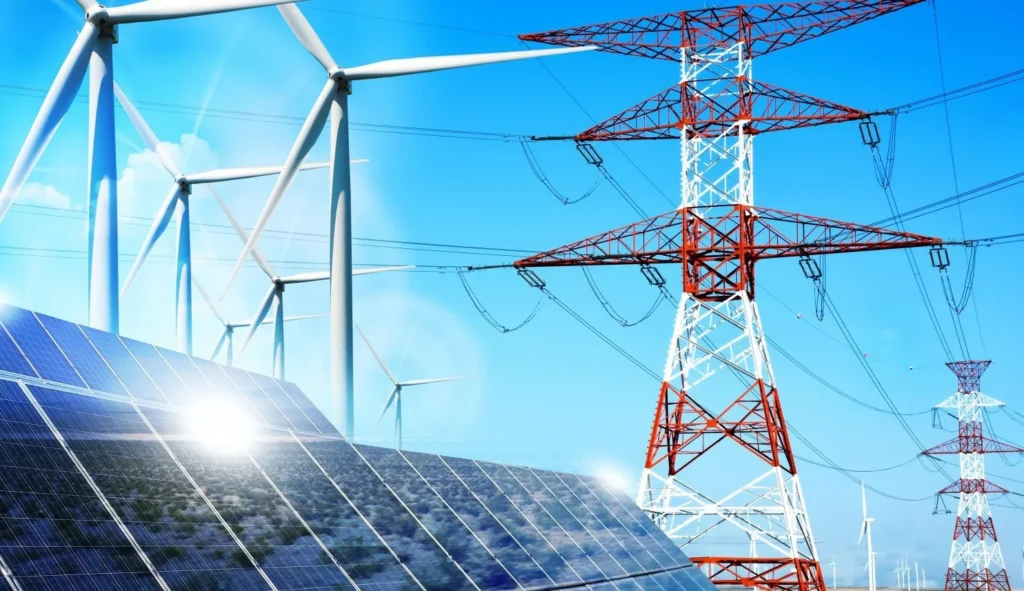
Issued on July 3, 2024, Decree 80/2024/ND-CP establishes Vietnam’s first complete legal framework for DPPA (Direct Power Purchase Agreement) between renewable energy generators and large electricity consumers. This structure gives businesses a more competitive and flexible path to renewable electricity procurement.
This article breaks down the key points: what the decree covers, how each model works, who qualifies, and what businesses need to prepare before entering the market.
What Is Decree 80/2024/ND-CP and Why Does It Matter?
Decree 80/2024/ND-CP sets out the mechanism for direct electricity trading between renewable energy power plants and large-scale electricity consumers in Vietnam. It is the first time the country has introduced a structured, enforceable framework for this type of arrangement, replacing the fragmented, project-by-project approaches that preceded it.
The three core objectives of this mechanism are:
- Accelerating renewable energy deployment
- Diversifying the national electricity supply mix
- Supporting enterprises in meeting ESG, RE100, and carbon reduction commitments

For manufacturing businesses, this matters because access to verified renewable electricity is now directly tied to competitiveness. Major international buyers increasingly evaluate suppliers based on the percentage of renewable energy in their operations. Participating in this mechanism gives companies a documentable, auditable path to demonstrating that compliance.
Two DPPA Models Under Decree 80/2024
Model 1: DPPA via Private Transmission Line
This is a physical, direct electricity trading arrangement between a renewable energy generator and a large consumer, connected through a privately owned transmission line. The two parties independently negotiate the electricity price and volume, and jointly invest in and operate the connecting infrastructure.
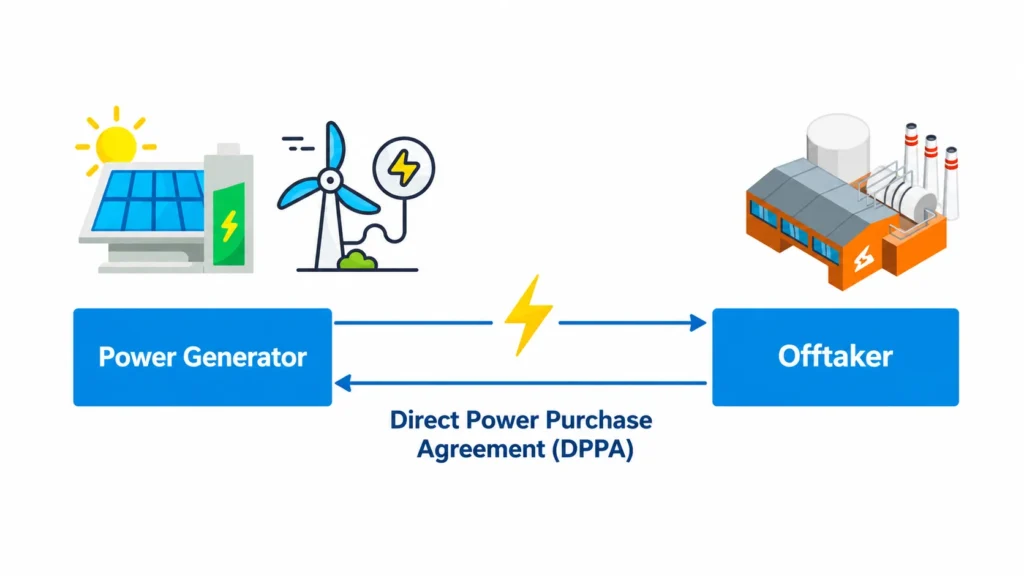
This model suits factories or industrial zones located in proximity to a renewable energy source such as a solar farm or wind farm.
Key advantages:
- Full autonomy over electricity sourcing
- Flexible price negotiation between both parties
- Reduced dependence on the national grid
Key limitations:
- High upfront infrastructure investment
- Complex technical and regulatory requirements
- Requires in-house capability to manage power system operations
This is also why many businesses pursuing this model choose to work with an experienced solar EPC company capable of handling system design, technical due diligence, installation, and long-term operations and maintenance.
Model 2: DPPA via the National Grid
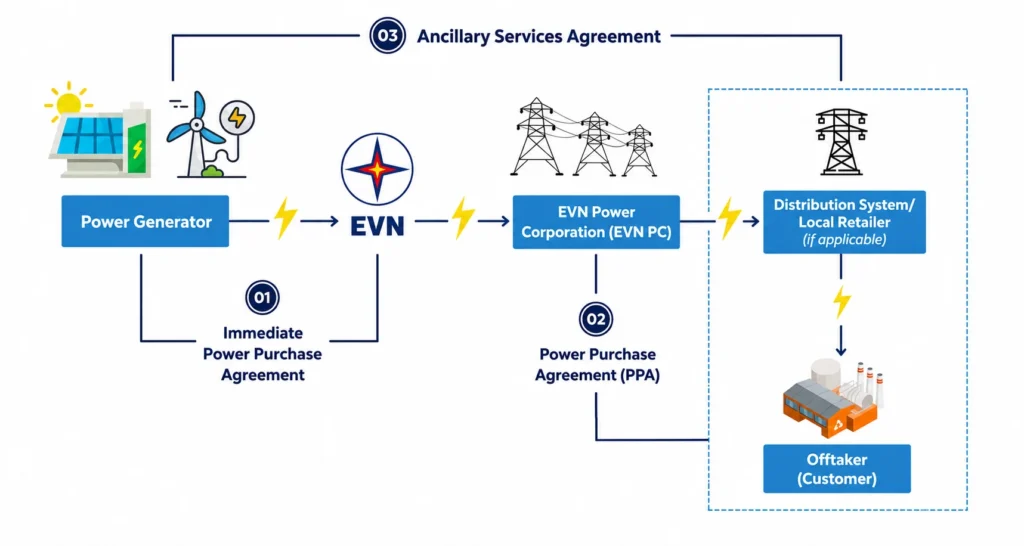
In this model, the electricity consumer continues to purchase electricity through the utility, while simultaneously entering into a separate financial contract with a renewable energy generator. That contract is known as a Contract for Difference (CfD).
Under the CfD, a reference electricity price is agreed between both parties for a defined period. At each settlement cycle, the actual market price is compared against the contracted reference price:
- If the market price falls below the contracted price, the electricity consumer pays the generator the difference
- If the market price rises above the contracted price, the generator reimburses the consumer
This structure provides price stability for the consumer and revenue certainty for the generator, while electricity continues to flow through the national grid as normal. The CfD functions purely as a financial instrument, not a physical supply arrangement.
Advantages of this model:
- No need to construct a private transmission line
- Long-term electricity cost stabilization
- Increases the share of renewable energy in the company’s consumption profile, supporting ESG and RE100 reporting
- Accessible to a wider range of large consumers
Limitations of this model:
- Contract management and settlement calculations are more complex than standard electricity procurement
- Outcome depends on electricity market conditions and grid operator rules
- Requires accurate metering, data management, and contract administration capability
- Not all businesses meet the eligibility thresholds defined by the decree
Who Is Eligible to Participate in DPPA?
For renewable energy generators:
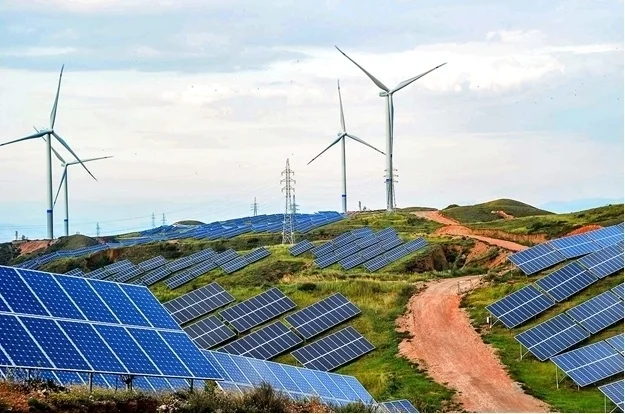
- Wind or solar power plant with a minimum capacity of 10 MW
- Must participate in the competitive wholesale electricity market
- Must comply with applicable grid connection, metering, and system operation standards
For large electricity consumers:
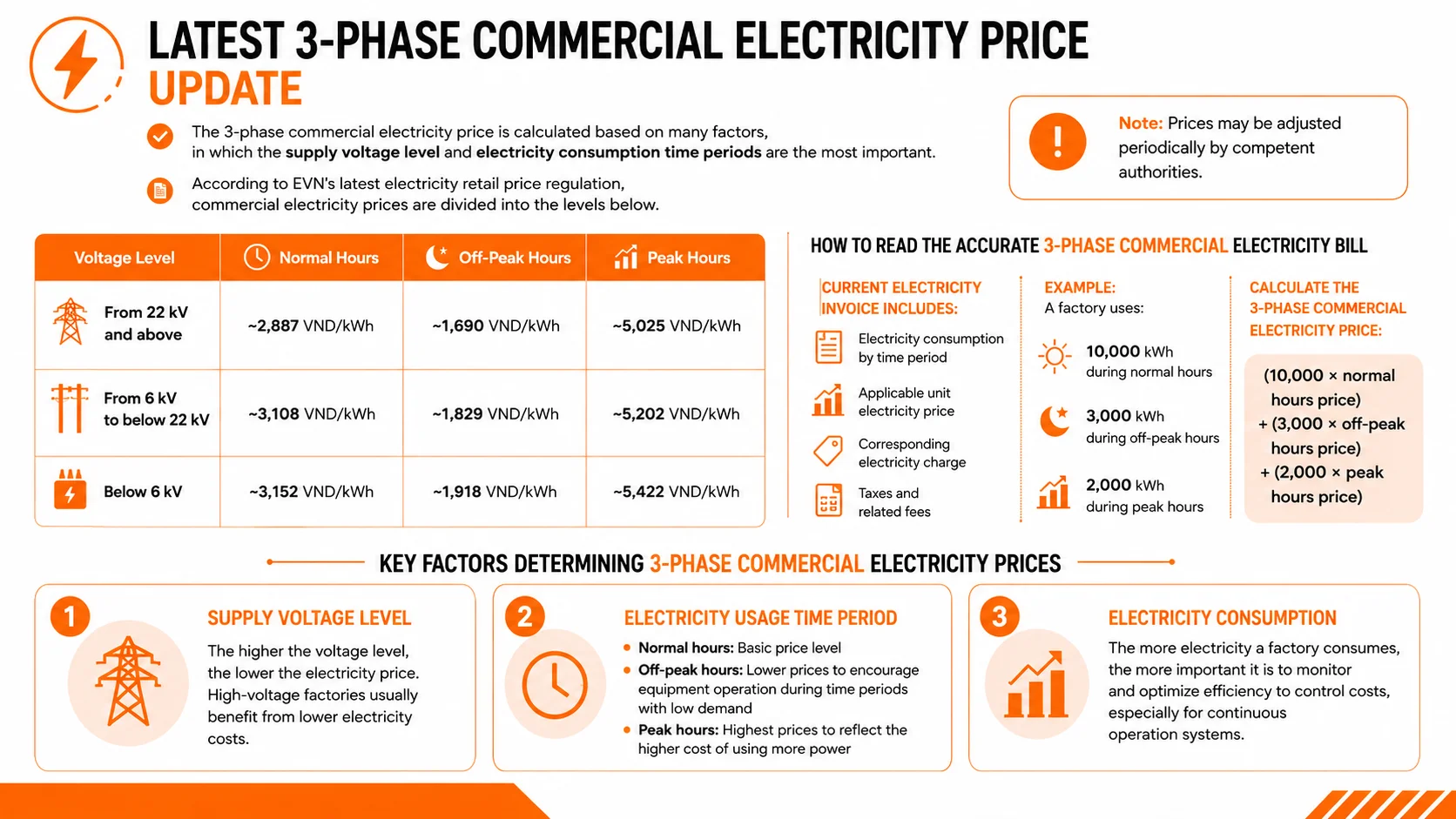
- Monthly electricity consumption of at least 200,000 kWh
- Grid connection at a voltage level of 22 kV or higher
Business types that typically qualify include:
- Manufacturing plants
- Industrial zones and industrial parks
- Foreign-invested enterprises (FDI companies)
- Businesses with active ESG or RE100 commitments
What Businesses Gain from DPPA Participation
Strategic benefits
Participating in this direct renewable electricity mechanism allows businesses to take an active role in long-term energy strategy, rather than remaining entirely subject to regulated tariffs and grid supply conditions. Specifically, companies can:
- Increase the share of green energy in their overall consumption mix
- Reduce Scope 2 carbon emissions
- Demonstrate supply chain compliance to international buyers
- Improve competitiveness in global tenders requiring sustainability credentials
This approach aligns with commitments being made by major multinationals pursuing Net Zero by 2050. The corporate power purchase agreement model has become one of the primary tools corporations use to deliver on those pledges, and Vietnam’s Decree 80/2024 creates that same regulatory pathway.
Operational and financial benefits
Beyond ESG value, the mechanism delivers measurable operational advantages:
- Reduced exposure to electricity price volatility through long-term price locking
- Improved predictability for energy budget planning
- Increased financial returns on existing rooftop solar systems when combined with a self-consumption optimization strategy
- Stronger asset utilization when paired with performance monitoring and operations management
When businesses integrate DPPA with a well-managed rooftop solar system, the combined effect can meaningfully shorten payback periods and improve overall energy investment returns.
Key Challenges Businesses Need to Prepare For
This framework offers considerable potential, but it also introduces operational complexity that should not be underestimated. The main challenges include:
- Managing multi-party electricity contracts and settlement processes
- Maintaining accurate and continuous metering data
- Monitoring and controlling the performance of the generating asset
- Ensuring system uptime and stability throughout the contract period
For solar energy systems in particular, performance risks are real and specific. Common issues include module degradation, hotspot formation, inverter faults, SCADA connectivity loss, and monitoring data discrepancies. Each of these can reduce actual generation output and directly affect the financial performance of the project.
In this context, where contracted volumes and generation data carry direct commercial consequences, the role of a qualified O&M provider becomes critical. Consistent preventive maintenance, real-time remote monitoring, and rapid fault response are not optional extras. They are the operational foundation that makes the financial model work.
DPPA Implementation Checklist: Where to Start
Step 1: Assess current electricity consumption
Analyze monthly consumption volumes, hourly and daily load profiles, peak-hour usage ratios, and the potential for on-site solar self-consumption.
Step 2: Review technical infrastructure
Audit the grid connection voltage level, metering systems, transformer capacity, inverter specifications, and SCADA or monitoring platform. This step is essential before determining which model is viable.
Step 3: Select the appropriate model
Choose between the private transmission line model, the national grid model, or a combination approach that integrates rooftop solar with grid-based procurement.
Step 4: Review contract and payment structures
Carefully examine the electricity sale and purchase agreement, the CfD terms, the price difference settlement mechanism, and how operational risk is allocated between the parties.
Step 5: Put operational risk controls in place
To maintain system performance over the full contract period, establish a regime covering scheduled preventive maintenance, remote performance monitoring, output tracking, and rapid response protocols for inverter faults and generation shortfalls.
How Electric Bird Supports DPPA Readiness
Participating effectively in DPPA requires more than finding a renewable energy source. It demands that the solar system operates reliably, that metering data is accurate, and that self-consumption is consistently optimized across the full contract term.
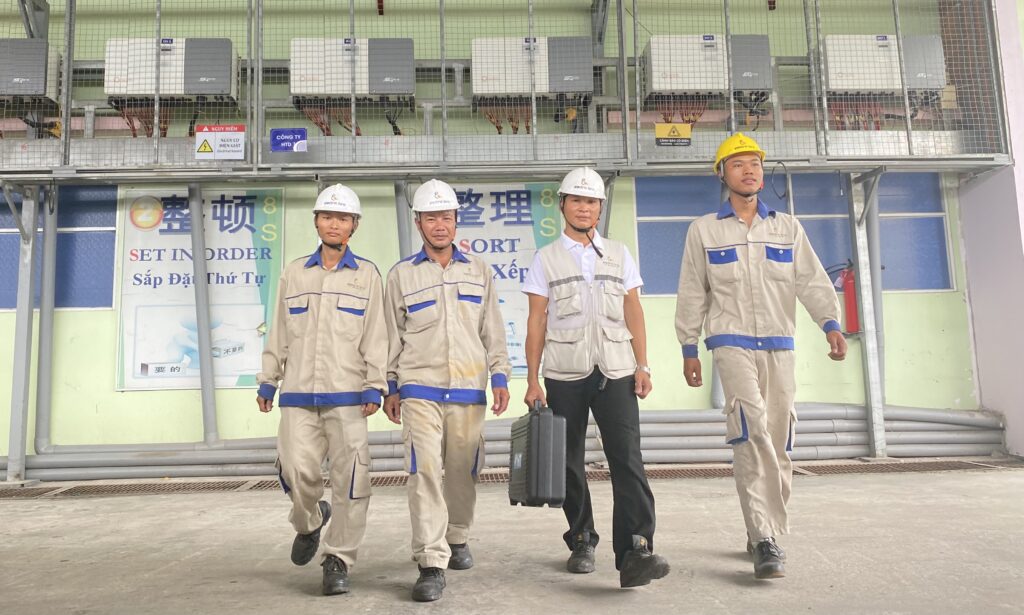
Electric Bird brings experience across EPC delivery, solar O&M, and multi-site performance management to help businesses assess their technical readiness before entering this type of arrangement. The support scope includes:
- On-site electricity system surveys and condition assessments
- Load profile analysis and rooftop solar potential review
- Technical due diligence on existing solar installations
- Self-consumption ratio optimization
- Safety-compliant solar system operations management
- Remote monitoring, early fault detection, and output optimization
- Inverter repair, performance degradation resolution, and downtime reduction
Through this work, Electric Bird helps businesses maintain stable system performance, increase generation output, shorten payback periods, and improve the long-term return on their energy investment.
If your business is evaluating DPPA as part of its renewable energy strategy, contact Electric Bird today for a technical consultation tailored to your site and objectives.
FAQ: Power Purchase Agreement Solar and Decree 80/2024
What is DPPA?
DPPA (Direct Power Purchase Agreement) is a mechanism for direct electricity trading between a renewable energy generator and a large electricity consumer, as regulated under Decree 80/2024/ND-CP.
How many DPPA models are available?
There are two models: via a private transmission line and via the national grid.
What is the private transmission line model?
The renewable energy generator sells electricity directly to the consumer through a dedicated private line, without routing through the national grid.
How does the national grid model work?
Electricity from the renewable power plant is fed into the electricity market. The consumer continues to purchase electricity from EVN or the local utility, and both parties settle the price difference through a Contract for Difference (CfD) with the renewable power plant.
Which businesses are eligible to participate?
Large electricity consumers with a monthly consumption of at least 200,000 kWh and a grid connection at 22 kV or above are eligible to participate.
Which power plants are eligible?
Wind or solar power plants with a capacity of at least 10 MW that participate in the competitive wholesale electricity market are eligible.
What do businesses gain from participating?
The mechanism helps businesses increase their share of renewable electricity, stabilize long-term energy costs, support ESG and RE100 goals, and strengthen their position within green supply chains.