How to Optimize Costs in Solar PV System Design? Complete Guide
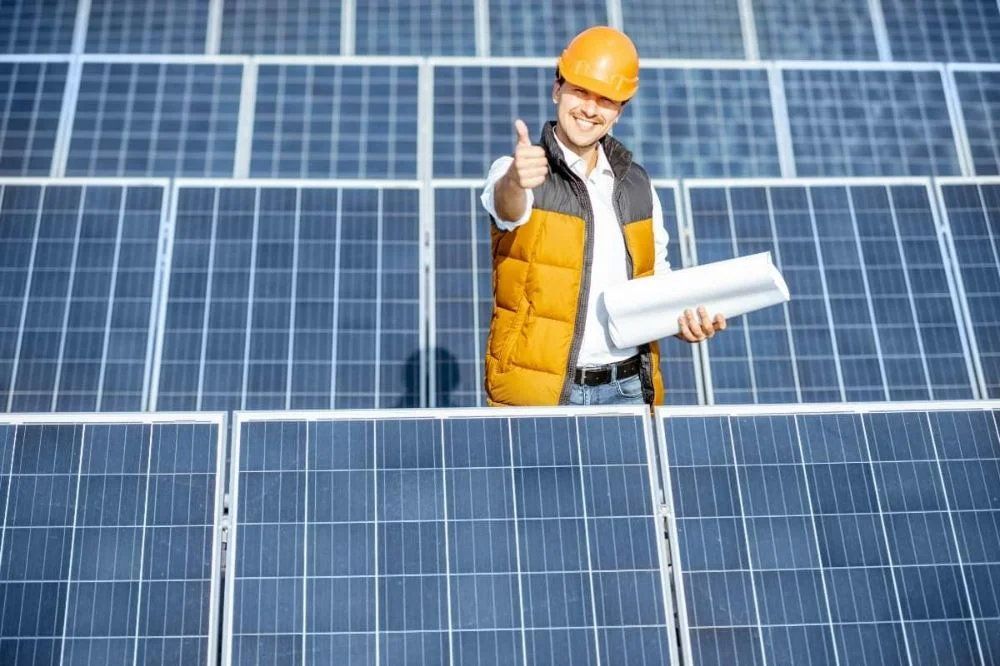
In practice, more than 70% of operational issues can be traced back to the solar PV system design phase. A solar power system that is optimized from the beginning can significantly reduce solar O&M costs while maintaining stable performance throughout its 20 to 25 year lifecycle.
In this guide, Electric Bird explains the importance of solar PV system design and how businesses can optimize costs from the earliest project stages.
What Is Solar PV System Design?
Solar PV system design is the process of developing a comprehensive technical solution, from site assessment and energy yield simulation to equipment configuration and system layout planning.
This stage is far more than a pre-installation requirement. It serves as the foundation that determines long-term system performance and maintenance costs throughout the project lifecycle. In EPC solar projects, the quality of the initial solar PV system design plays a particularly critical role in ensuring operational success.
Why Solar PV System Design Matters for Long-Term O&M Performance
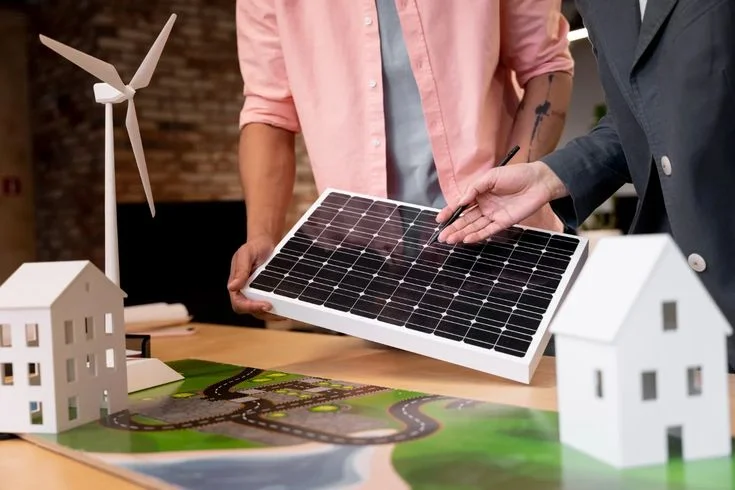
Solar PV system design is not merely an engineering activity at the beginning of a project. It establishes the framework that determines the operational effectiveness of the solar plant throughout its entire lifecycle.
From an asset management perspective, decisions made during the solar PV system design stage directly affect key performance indicators such as Performance Ratio (PR), degradation rate, and Levelized Cost of Energy (LCOE).
An effective solar PV system design does more than achieve the desired installed capacity. It also ensures long-term operational efficiency through the following factors.
- Optimize System Performance and Energy Yield
- Solar PV system design directly influences the Performance Ratio by optimizing panel orientation, string configuration, and minimizing DC and AC system losses.
- A stable PR enables actual energy production to closely match projected generation. This improves revenue predictability, supports financial forecasting, and maximizes return on investment.
- Reduce Operational Risks and Technical Failures
- A well-planned solar PV system design incorporates proper system segmentation and comprehensive electrical protection measures, including lightning protection and surge protection devices.
- These design considerations help reduce the likelihood and impact of system failures, minimize unplanned downtime, and improve overall solar O&M effectiveness.
- Lower Long-Term O&M Costs
- LCOE is influenced not only by upfront capital expenditure but also by ongoing operating costs and long-term energy generation.
- An optimized solar PV system design reduces the frequency of maintenance interventions, improves resource utilization, and lowers O&M expenses over time.
- This is especially important when evaluating project profitability and estimating the 1 MW solar power plant cost, where operational efficiency significantly impacts total lifecycle economics.
- Enable Future Expansion and System Upgrades
- A scalable solar PV system design includes capacity reserves, infrastructure flexibility, and integration readiness for technologies such as Battery Energy Storage Systems (BESS) and Energy Management Systems (EMS).
- This approach allows the system to adapt to changing load requirements and future technological developments without disrupting existing operations.
- Ensure Sustainability and Compliance with Technical Standards
- Compliance with international and local standards such as IEC and TCVN, combined with optimized grounding systems and thermal management, helps reduce equipment degradation rates.
- A properly engineered solar PV system design improves system safety, enhances reliability, and supports long term asset performance.
How to Optimize Costs Through Solar PV System Design
#1 Assess Site Conditions and Solar Irradiance Before Design
- Evaluating site conditions and solar resource potential is one of the most critical steps in solar PV system design. However, it is often underestimated or overlooked in many projects.
- To ensure efficient and sustainable operation, businesses should focus on the following key areas from the beginning.
Site Survey and Roof Assessment
- Analyze roof orientation, tilt angle, structural capacity, and installation surface conditions.
- These factors form the basis for selecting the most suitable installation approach while minimizing future operational and maintenance risks.
Solar Irradiance Assessment and Shading Analysis
- Evaluate seasonal solar irradiance levels, sun angles, and potential shading sources such as nearby buildings, rooftop structures, and vegetation.
- This information is essential for predicting actual energy generation and developing an effective O&M strategy.
Energy Yield Simulation Using Real Irradiance Data
- Specialized software such as PVsyst and Helioscope can be used to simulate monthly and annual energy production.
- These simulations provide valuable insights for financial feasibility studies and help optimize solar panel design decisions.
Completing these assessments accurately allows engineers to create a solar PV system design that reflects actual site conditions, reduces operational risks, and improves long term performance.
#2 Optimize System Configuration and Equipment Selection
High-quality equipment alone does not guarantee optimal results. Equipment must be configured appropriately to maximize system performance.
Key considerations include:
- Selecting suitable solar modules, inverters, and string configurations to maximize operational efficiency.
- Optimizing the DC to AC ratio to minimize system losses and improve long term O&M performance.
- Ensuring all equipment specifications align with project objectives and site conditions.
A properly engineered solar panel design can significantly improve energy yield while reducing operational complexity.
#3 Design the System Layout for Easier Operation and Maintenance
One of the most common mistakes in solar projects is maximizing installation density without considering future maintenance requirements.
To avoid this issue, businesses should consider the following best practices.
Provide Adequate Maintenance Access
- Technical walkways should be maintained at approximately 500 to 800 mm between panel rows, while working space around inverters and electrical cabinets should range from 800 to 1200 mm.
- These clearances simplify maintenance activities, reduce repair time, and lower O&M costs.
Organize Equipment and Cable Routing Effectively
- Inverters, switchboards, and cabling should be arranged according to designated zones or inverter blocks.
- Cable routes should be clearly labeled and separated between DC and AC circuits. This approach enables maintenance teams to identify issues quickly, isolate faults efficiently, and minimize downtime.
#4 Integrate Monitoring and Performance Management Systems
Monitoring and data analytics platforms play a central role in solar O&M by enabling continuous performance tracking and proactive maintenance. A well-designed solar PV system design should incorporate monitoring capabilities from the outset.
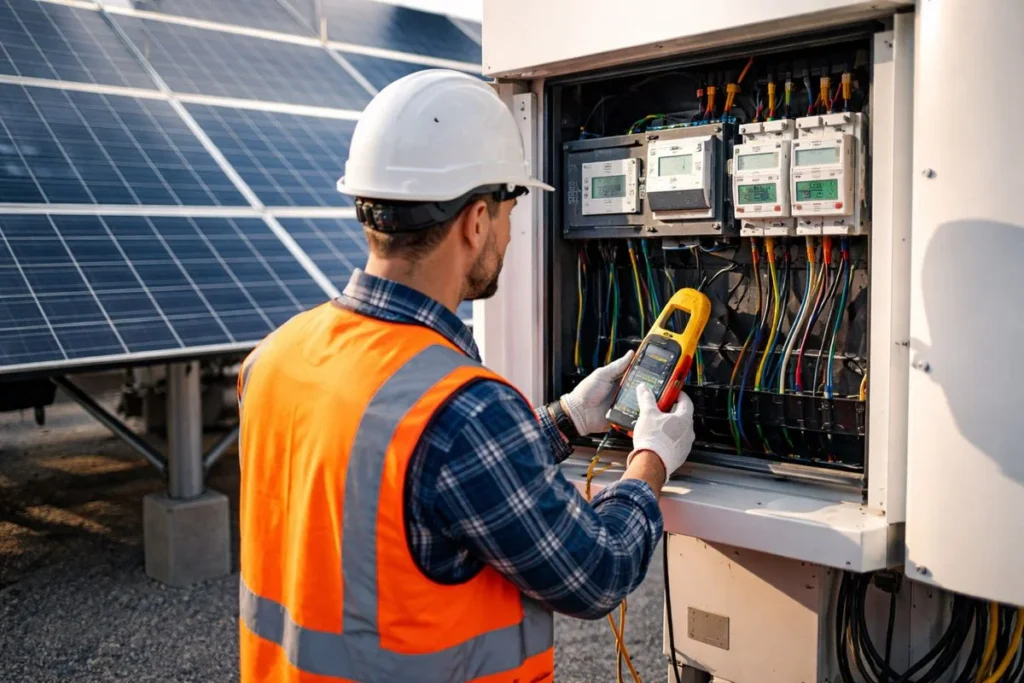
Key functions include:
Monitor Performance at the Inverter and String Level
Detailed monitoring allows operators to track energy production at both inverter and string levels, making it easier to identify underperforming components.
Analyze Operational Data for Performance Degradation
Continuous data analysis helps detect issues such as PR decline, module mismatch losses, and equipment malfunctions before they become major problems.
Enable Early Fault Detection
Real-time alerts allow maintenance teams to respond quickly to abnormalities, reducing downtime and minimizing energy production losses.
By integrating these capabilities into the solar PV system design, businesses can transition from a reactive maintenance approach to a proactive asset management strategy that maximizes long term system performance.
#5 Design for Future Expansion and System Upgrades
Scalability should be considered during the initial solar PV system design phase. This ensures the system can adapt to future changes in energy demand, technology, and business objectives without causing operational disruptions.
Reserve Space and Technical Infrastructure
- Allocate sufficient physical space for future expansion and provide infrastructure reserves such as inverter capacity, cable sizing allowances, electrical cabinet space, and connection points.
- This approach enables additional capacity or equipment to be integrated quickly without requiring major modifications to the existing system.
Prepare for BESS and EMS Integration
- Modern solar PV system design should include provisions for future Battery Energy Storage Systems (BESS) and Energy Management Systems (EMS).
- This involves preparing electrical architecture, dedicated connection points, and compatible communication protocols such as Modbus and CAN Bus.
Such preparation allows businesses to optimize load profiles, reduce energy losses, and improve operational efficiency over time.
Conclusion
Solar PV system design is one of the most important factors influencing the long term performance of a solar energy project. In EPC projects, decisions made during the design phase directly affect energy generation, system reliability, and operating costs throughout the asset lifecycle.
For this reason, operation and maintenance considerations should be integrated into solar PV system design from the very beginning. This principle ensures that a solar power system not only functions properly but also operates efficiently throughout its expected 20 to 25 year lifespan.
For businesses planning to invest in solar energy, selecting a qualified solar company with proven expertise in both engineering and field implementation is essential.
With extensive experience in solar O&M, Electric Bird delivers solar PV system design solutions tailored to each client’s operational requirements while maximizing long term performance. Our engineering team evaluates electricity consumption patterns, roof structures, expansion potential, and operational objectives to develop solutions that minimize unnecessary costs and improve system efficiency.
Contact Electric Bird today to discuss a cost-optimized solar PV system design that aligns with your operational needs and long-term sustainability goals.
Frequently Asked Questions About Solar PV System Design
What Does Solar PV System Design Include?
Solar PV system design typically includes site assessment, energy yield simulation, layout development, inverter and string configuration, cable routing, electrical protection systems, and monitoring infrastructure.
These elements form the foundation for efficient operation and long-term maintenance planning.
Why Does Solar PV System Design Have a Significant Impact on O&M Costs?
Solar PV system design determines equipment accessibility, system segmentation, and monitoring capabilities.
Poor design decisions can increase maintenance expenses, extend repair times, and result in higher downtime costs throughout the system lifecycle.
When Should Monitoring Systems Be Integrated?
Monitoring systems should be incorporated during the initial solar PV system design phase.
Early integration enables continuous performance tracking, rapid fault detection, and proactive maintenance management.
How Should Businesses Select a Solar Design Partner?
Businesses should prioritize companies with proven expertise in both solar PV system design and long term O&M services.
This ensures that the system is optimized not only for installation but also for reliable and cost effective operation throughout its lifecycle.
How Does Solar Panel Design Affect Project Economics?
Solar panel design influences energy yield, system losses, maintenance accessibility, and overall operational efficiency.
A well optimized solar panel design can improve project profitability and shorten the investment payback period.
Is 1 MW Solar Power Plant Cost Determined Only by Equipment Prices?
No. While equipment costs represent a significant portion of the investment, the 1 mw solar power plant cost is also affected by engineering quality, system design efficiency, installation complexity, operational expenses, and long term energy production performance.
An optimized solar PV system design can significantly reduce lifecycle costs and improve return on investment.