1528+
MWp Capacity435+
Projects1528+
MWp Capacity435+
Projects1528+
MWp Capacity435+
Projects1528+
MWp Capacity435+
Projects
1528+
MWp Capacity435+
Projects1528+
MWp Capacity435+
Projects1528+
MWp Capacity435+
Projects1528+
MWp Capacity435+
Projects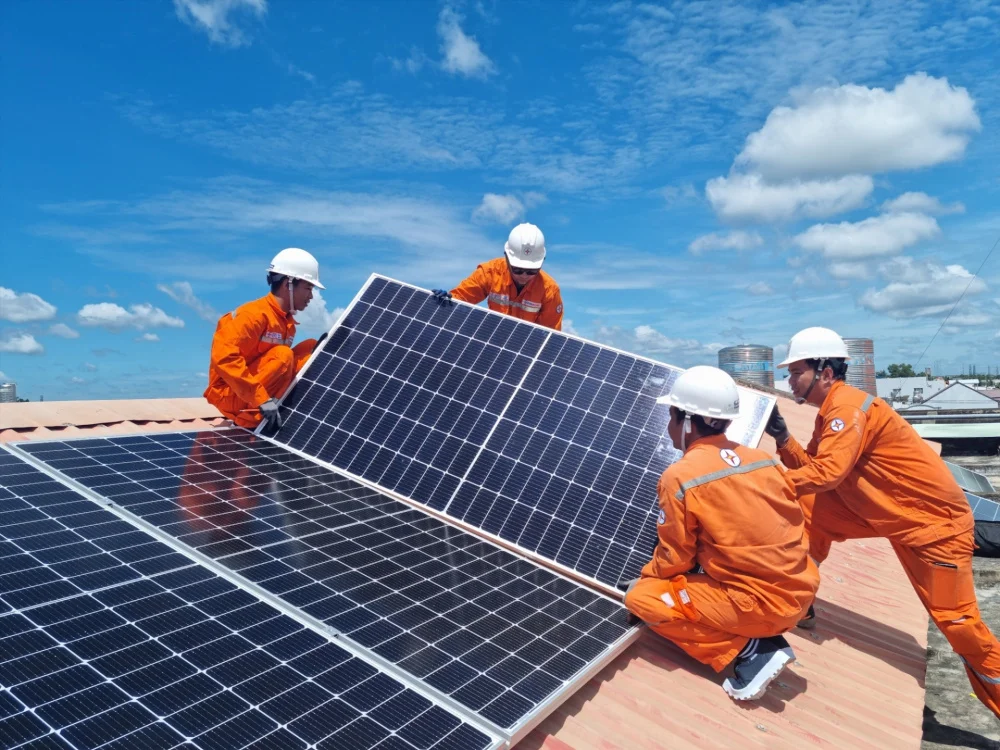
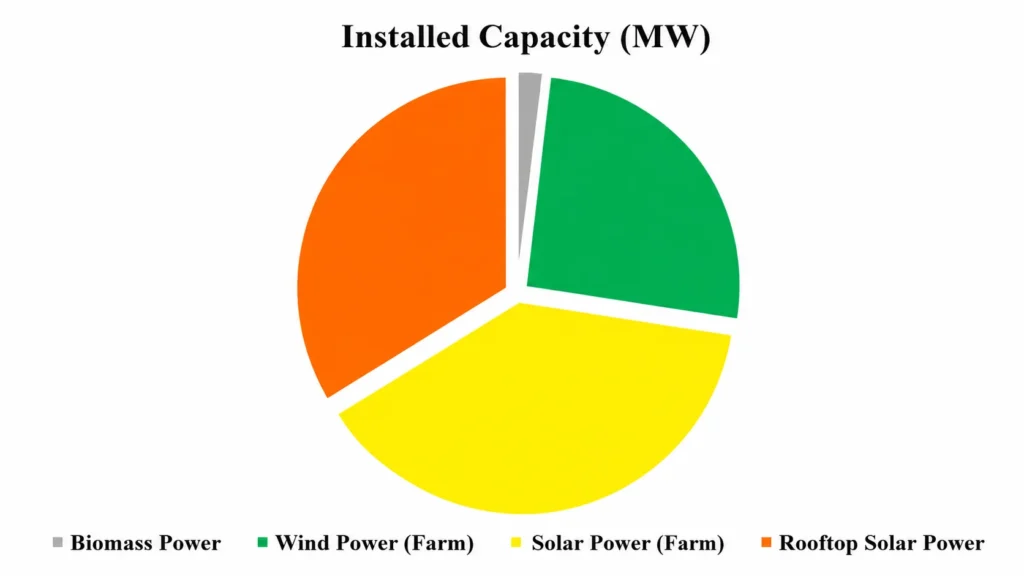
Vietnam’s rooftop solar power system capacity has reached approximately 7,660 MWAC, accounting for over 9% of total national installed capacity and contributing nearly 4% of total system electricity output. At this scale, the operational impact of distributed rooftop generation on the national grid is no longer a marginal consideration, whether viewed from an investor’s perspective or a grid operator’s standpoint.
In terms of installed capacity, the rooftop solar power system segment has surpassed wind power, biomass, small hydropower, and even gas turbines, all of which once held significant shares in Vietnam’s generation portfolio. This growth reflects genuine demand for clean electricity investment from both households and businesses, particularly as retail electricity prices rise and decarbonization pressure intensifies across industries.
However, rapid and uncoordinated growth creates serious operational challenges. During peak irradiance hours, aggregate output from millions of distributed rooftop installations across the country can exceed the absorption capacity of regional grid infrastructure. This is no longer a theoretical risk; it is a real-time dispatch challenge that grid operators must manage every single day.
To understand this impact clearly, two core characteristics of the rooftop solar power system must be examined: variability and dispersion.
Vietnam’s national power system is centrally dispatched and unified across the entire country. Every generation source, from the 2,400 MW Son La hydropower plant to a rooftop system of a few dozen kWp, operates within the same real-time supply-demand balancing equation. When a large-scale variable and distributed source enters that equation, operational pressure increases significantly.
Output from any rooftop solar power system is entirely dependent on solar irradiance. Overcast skies, rainfall, or sunset brings generation sharply down or to zero, while electricity demand does not follow the same curve. Nighttime demand from residential and industrial loads often peaks precisely when solar output is unavailable.
To compensate for this gap, the power system must maintain continuous backup capacity:
The direct operational consequence for conventional generators is non-continuous operation: repeated startup cycles, shutdowns, and output adjustments. This reduces actual generation hours and accelerates equipment wear relative to stable baseload operation.
There is also a simultaneous surplus-deficit paradox. The system faces excess capacity at midday when irradiance peaks and load is relatively low, then faces a rapid capacity shortfall in the late afternoon as demand rises and solar generation drops off. This is a pattern that any experienced solar O&M team monitoring field operations will recognize immediately.
One genuine advantage of a rooftop solar power system is its proximity to the point of consumption. When generation and consumption occur at the same location, transmission losses are reduced, and pressure on distribution infrastructure is relieved. This represents the most operationally efficient configuration for this asset class.
However, dispersion at the small scale creates significant challenges for grid dispatch:
Responding in real time to output fluctuations across millions of distributed generation points requires substantial grid flexibility capacity, and building that capability carries real system-level costs.

Individual investors typically focus on asset-level parameters: panel capacity, inverter specifications, mounting structure, fire safety compliance, and whether battery storage is warranted. These are the right questions at the asset level. But at the system level, three categories of cost are being quietly distributed across all electricity users.
From a power system operations perspective, a rooftop solar power system performs most efficiently and places the least pressure on the grid when it is properly sized and purpose-built for self-consumption. The following principles are essential for any investor before committing capital:
Vietnam’s current energy policy direction aligns with these principles: encouraging self-consumption and restricting grid export from unmonitored distributed systems. This is not a restriction on investment; it is an operational framework that protects the long-term performance of the rooftop solar power system asset itself.
A rooftop solar power system delivers genuine financial and operational value, but only when it is correctly sized and operated with clear objectives.
If you are evaluating a rooftop solar investment or want to assess the operational performance of an existing system at your facility, Electric Bird‘s engineering team is ready to advise on system design, capacity sizing, and long-term operational strategy tailored to real conditions in Vietnam.
No. After sunset, all electricity demand must be met from the grid unless a battery storage system is installed alongside the solar array.
These are costs paid by the grid operator to conventional generators to maintain standby capacity, compensating for the variability of solar output. The cost is distributed across all electricity users in the system, not only rooftop solar investors.
A self-consumption rooftop solar power system utilizes all the electricity it generates on-site, without exporting any surplus to the grid. This model maximizes project returns, reduces curtailment risk, and aligns with Vietnam’s current energy policy direction.
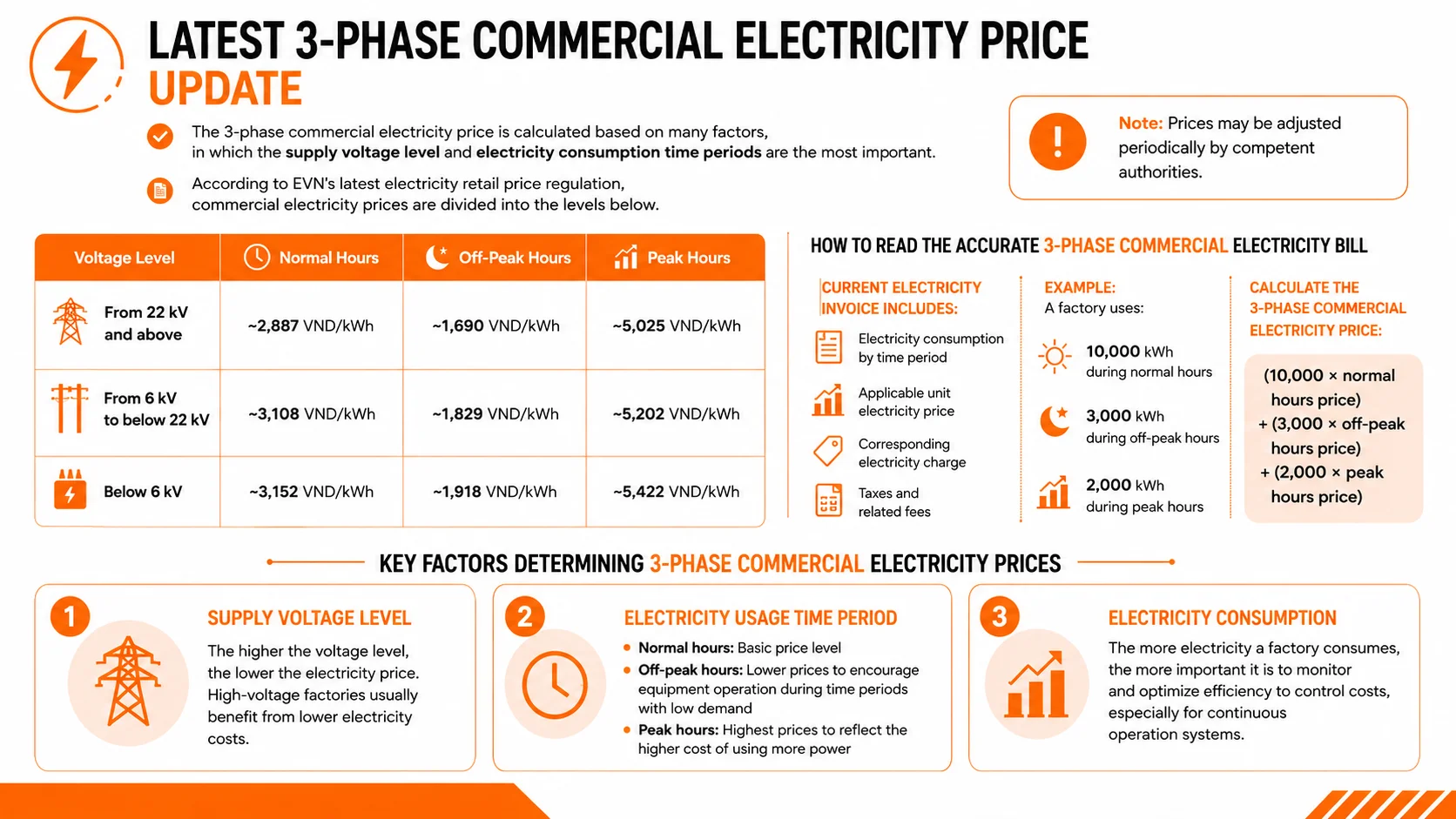

The 3-phase commercial electricity tariff in Vietnam is structured around voltage level and time-of-use billing, which means your monthly electricity bill is not fixed. It shifts based on when and how much power your facility draws. Understanding this structure is the first step toward meaningful cost control. What Is Commercial Electricity? Key Sectors That Use […]

For industrial facilities in Vietnam, electricity is one of the largest recurring operational expenses, especially for production lines running around the clock. Understanding how the Vietnam industrial electricity tariff is structured allows factory managers and asset owners to control costs, optimize production scheduling, and make informed decisions about energy investments. The short answer: your monthly […]
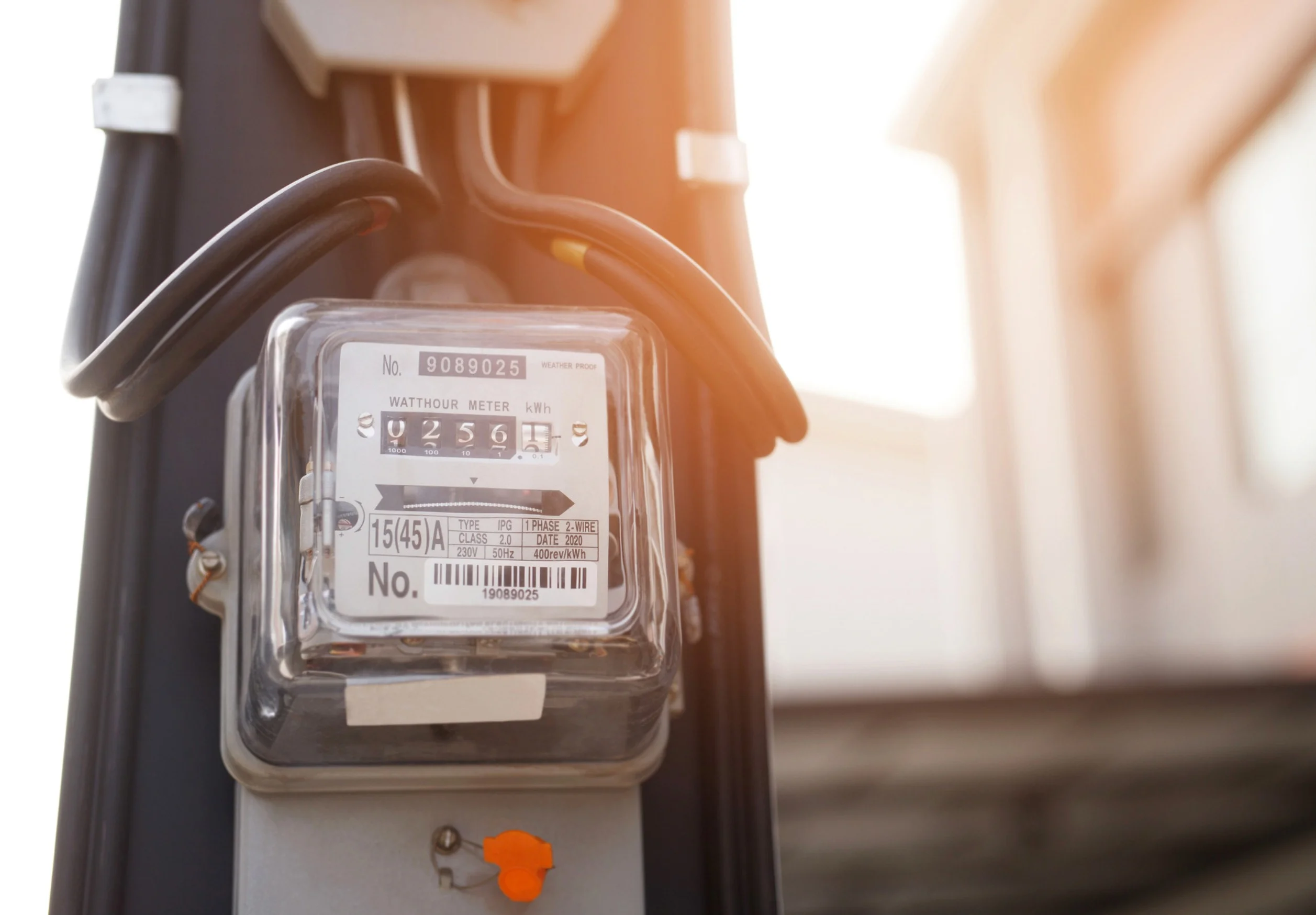
Understanding peak electrical hours is a practical advantage for any facility manager or business owner. Knowing exactly when demand spikes allows operations teams to reschedule high-draw equipment, reduce strain on the grid, and meaningfully cut monthly energy costs over the long term. What Are Peak Electrical Hours and When Do They Occur? Peak electrical hours […]