1528+
MWp Capacity435+
Projects1528+
MWp Capacity435+
Projects1528+
MWp Capacity435+
Projects1528+
MWp Capacity435+
Projects
1528+
MWp Capacity435+
Projects1528+
MWp Capacity435+
Projects1528+
MWp Capacity435+
Projects1528+
MWp Capacity435+
Projects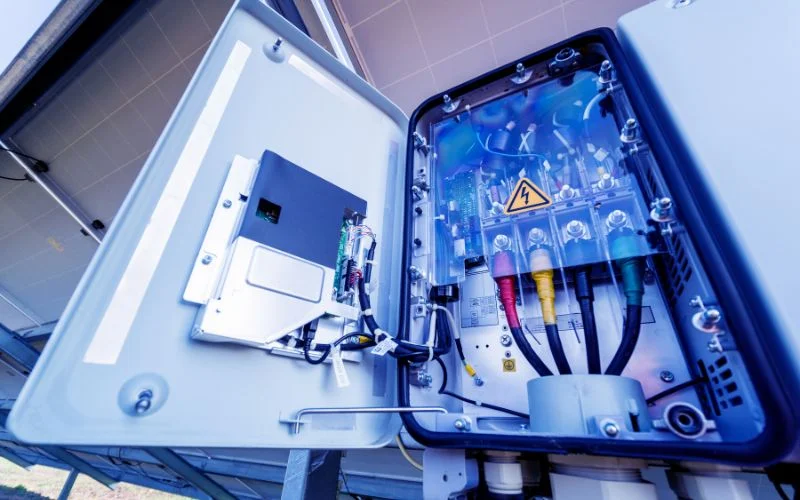
Many businesses investing in solar power focus almost entirely on system capacity, without truly understanding what is inside the equipment converting that energy. A solar energy inverter is more than a black box on the wall. It is the device that determines how much usable electricity your solar system actually delivers, and how reliably it does so over time.
Understanding the internal structure and operating principles of a solar energy inverter helps asset owners detect risk early, reduce unplanned downtime, and protect the long-term return on their investment. In this article, Electric Bird walks through the key components, how the inverter operates, and the maintenance practices that keep commercial and industrial systems running at peak performance.
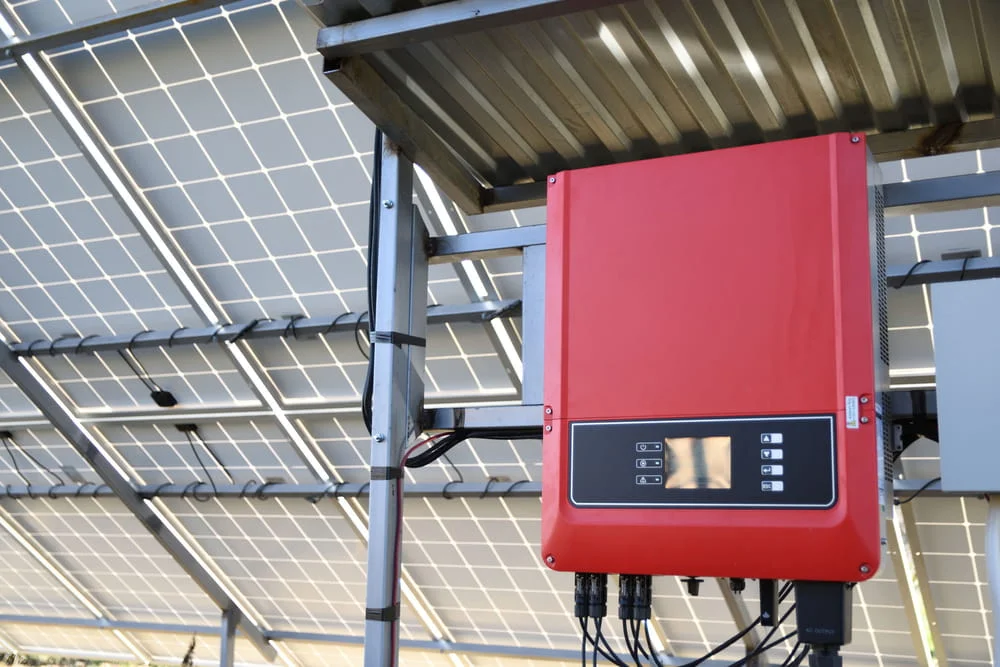
A solar energy inverter is a multi-component system. Each part plays a specific role in ensuring stable power conversion, protection, and data visibility. Below is a breakdown of the main components found in commercial-grade units.
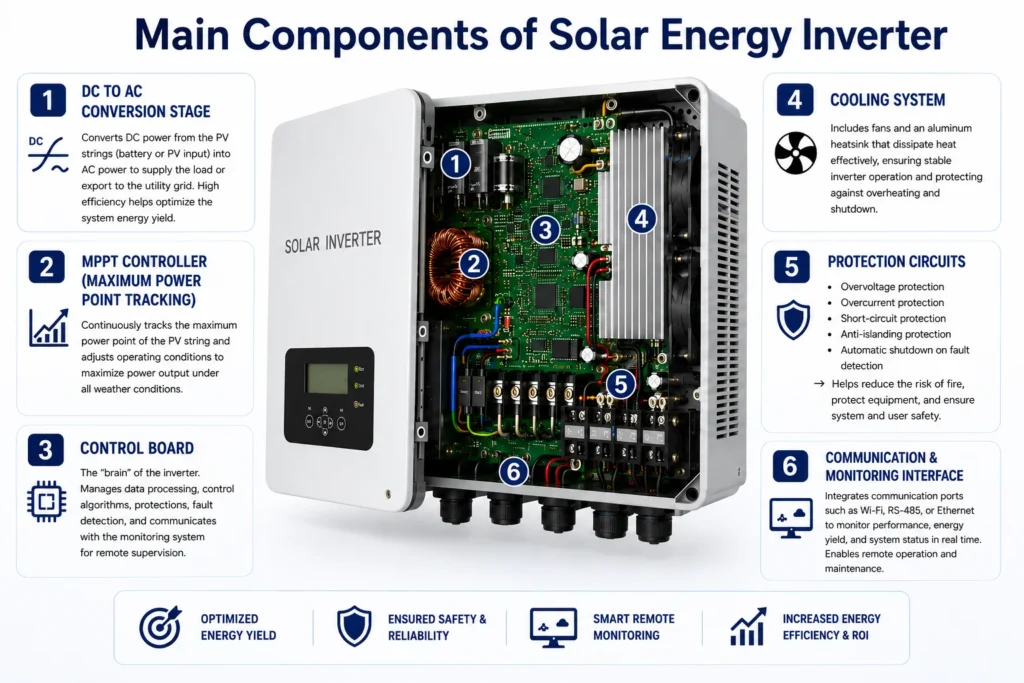
This is the core of any solar energy inverter. It takes direct current (DC) generated by the solar panels and converts it into alternating current (AC) suitable for on-site consumption or grid injection.
Conversion efficiency at this stage directly impacts the actual electricity yield of the entire system. If this unit operates unstably, the inverter may underperform or trigger faults during operation.
MPPT technology allows the solar energy inverter to continuously track the optimal operating point of each string of solar panels.
Under variable conditions such as intense sunlight, partial cloud cover, or high ambient temperatures, MPPT ensures the system consistently extracts the highest available power from the solar panel inverter array.
For large-scale systems, MPPT quality has a significant impact on overall energy yield and revenue optimization.
The control board functions as the brain of the solar energy inverter. It processes operational data, manages inverter behavior, and activates protective safety modes when needed.
It also records performance data, generates fault alerts, and transmits monitoring data to remote supervision platforms, which is essential for modern O&M operations.
Continuous operation generates significant heat inside the inverter. The thermal management system, which typically includes cooling fans and aluminum heatsinks, is critical to maintaining safe operating temperatures.
Poor heat dissipation is one of the most common causes of inverter performance degradation in hot, humid, or dusty environments. When cooling fails, the inverter will throttle output or shut down automatically to protect internal components.
A standard solar energy inverter integrates multiple layers of protection, including:
These mechanisms reduce fire and equipment damage risk, and protect both the system and the personnel operating it.
Most modern solar energy inverters include built-in communication interfaces such as Wi-Fi, RS-485, or Ethernet.
These ports connect the inverter to monitoring platforms that allow operators to track power output, inverter temperature, energy yield, and system status in real time. This connectivity is a cornerstone of digital O&M practice and asset performance management.
The operating cycle of a solar energy inverter begins when DC electricity produced by the solar panel inverter array flows into the unit. The inverter then processes and converts this DC into grid-compatible AC output. Throughout this process, the inverter continuously synchronizes voltage and frequency with the grid to maintain stable grid injection.
Beyond power conversion, the solar energy inverter also monitors the electrical environment for faults such as phase loss, overvoltage, or short circuits. When an anomaly is detected, the inverter automatically disconnects to protect the entire system from damage.
This combination of conversion, synchronization, and self-protection is why the inverter is consistently the most critical piece of equipment in any commercial or industrial solar project.
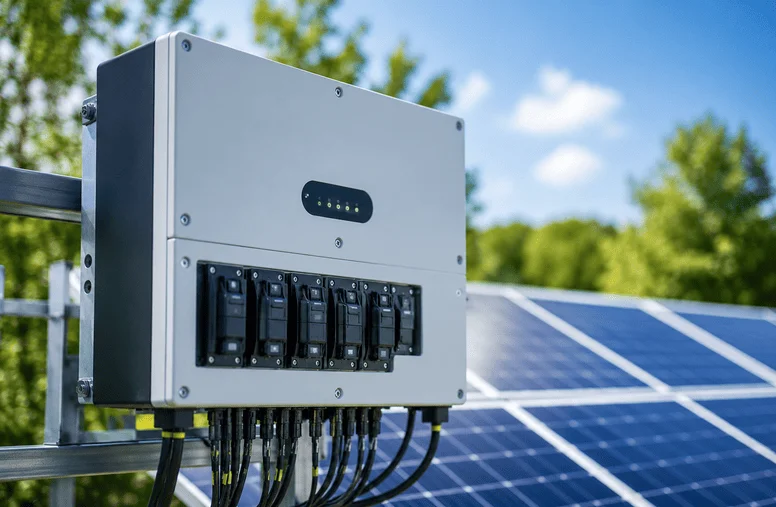
To achieve optimal inverter lifespan and consistent performance, asset owners need to follow a structured, technically sound maintenance routine. The following are the key procedures required for a properly maintained solar energy inverter.
Dust and debris accumulate on cooling fans and heatsink fins over time, reducing airflow and increasing operating temperature. Regular cleaning of the thermal system improves ventilation and significantly reduces the risk of shutdown due to overheating.
Over time, electrical terminals can loosen or develop abnormal hotspots. Technicians should periodically inspect and torque all terminals and cable lugs on the solar energy inverter to prevent equipment damage or electrical safety incidents.
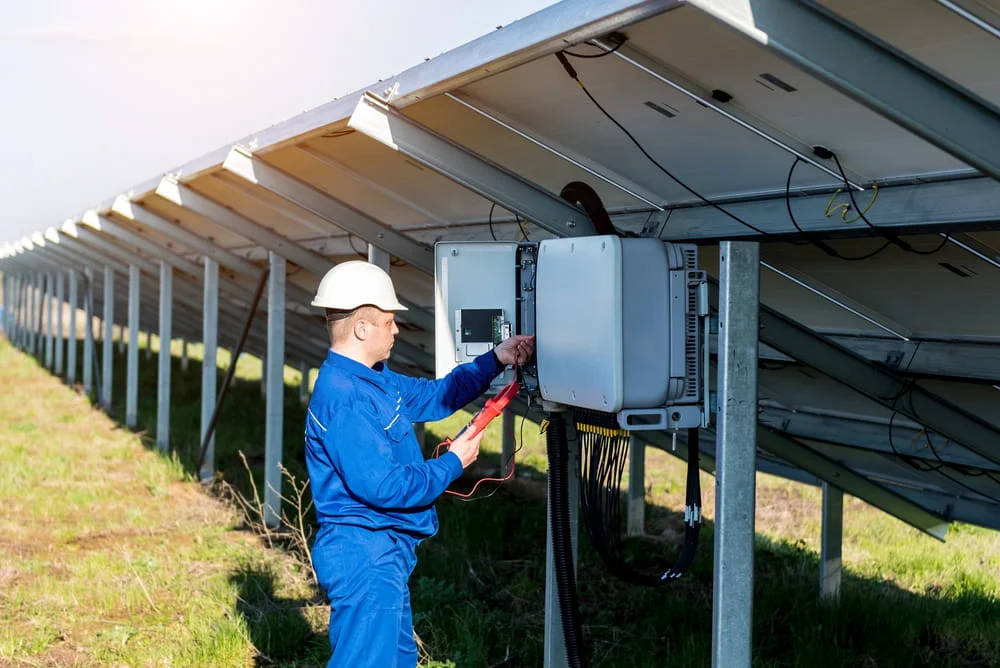
Through a connected monitoring platform, operators can track inverter performance continuously. Key parameters to review on a regular basis include:
Systematic data analysis allows the team to detect early signs of degradation before they escalate into serious failures.
For larger systems, inverter assessments should be supported by specialized diagnostic tools:
These tools provide a precise picture of inverter condition and support informed maintenance decisions.
All maintenance work on a solar energy inverter must follow strict safety protocols:
Adhering to these protocols reduces technical risk and extends inverter service life.
Solar Care+ is Electric Bird‘s specialist service for inspecting, troubleshooting, and repairing solar energy inverters across commercial and industrial systems. The technical team is fully trained and carries hands-on experience diagnosing faults related to inverters, solar panels, and associated electrical equipment.
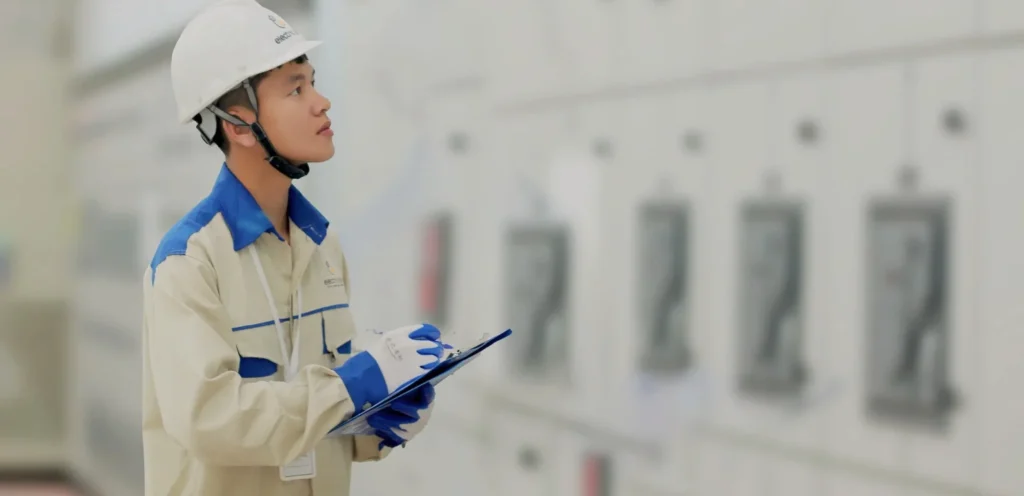
Beyond reactive repair, Solar Care+ also offers proactive condition assessments to identify risks before they affect performance and revenue. With a standardized technical process and a nationwide support network, business owners and asset managers can operate with greater confidence.
Contact Solar Care+ today for prompt inverter diagnosis and repair, and keep your solar system running with minimal downtime.
The solar energy inverter converts DC electricity from the solar panels into AC for on-site use or grid export. It directly determines system efficiency and operational stability.
The most common causes are dust accumulation on the cooling system, poor installation of ventilation, high ambient temperatures, and prolonged operation under excessive load.
A maintenance inspection every 3 to 6 months is standard, depending on the operating environment. Systems in high-dust or high-temperature locations may require more frequent checks.
Common indicators include abnormal power output drops, error codes on the display, monitoring disconnection, or unexpected automatic shutdowns.
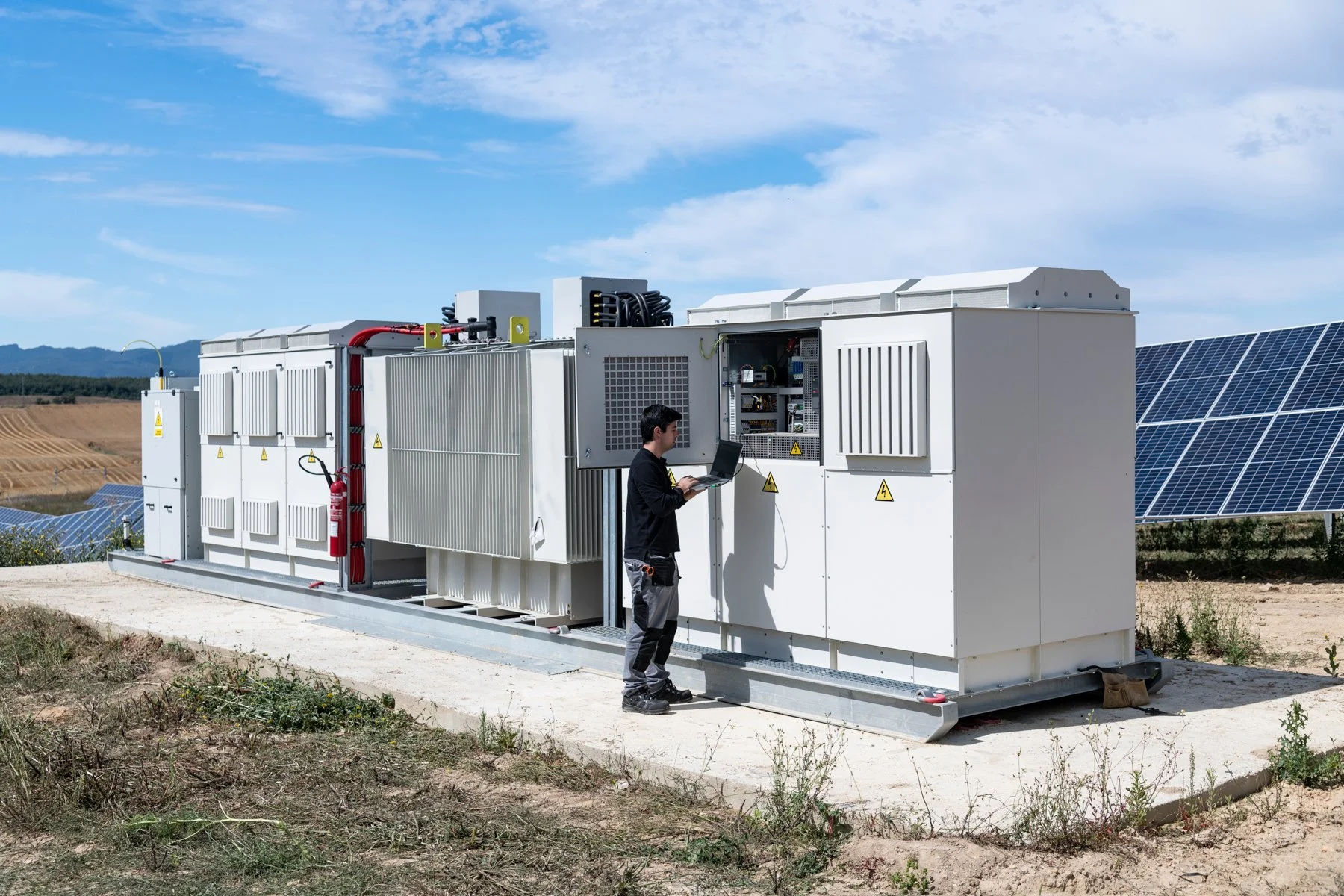

The inverter is the heart of any solar power system. It converts DC electricity from solar panels into usable AC power for on-site consumption or grid export. When an inverter fails, the entire system’s output drops, downtime increases, monitoring data is lost, and the return on your solar investment takes a direct hit. That is […]
When an inverter fault code appears, acting fast is critical. Learn the corrective maintenance workflow that protects solar power inverter efficiency and minimizes costly downtime. Why Inverter Fault Codes Demand a Structured Response The inverter is the operational core of any solar energy system. It converts DC power from the solar array into grid-compatible AC […]
Solar inverter fault codes are the system’s first line of communication when something goes wrong. As the core device responsible for converting DC power from solar panels into usable AC electricity, the inverter operates continuously under demanding conditions. When a fault occurs, the impact is immediate: energy yield drops, downtime increases, and the financial performance […]