Solar Power System Due Diligence Questionnaire: Design & Ops

A solar investment is not just about installed capacity or projected energy yield. In practice, the financial return of any solar project depends heavily on technical design quality, stable operational performance, and system optimization across its full operational lifespan.
In this article, Electric Bird shares a comprehensive due diligence questionnaire for solar power systems, covering three core areas: technical design review, equipment quality assessment, and long-term operational readiness. This is the framework our engineering team uses when evaluating systems for asset owners and project developers.
Why Technical Design Review Is a Non-Negotiable Step in Solar Due Diligence
Many businesses investing in solar systems focus almost entirely on installed capacity without fully evaluating the actual conditions of their facility. In our experience, the most common technical oversights include:
- Failing to verify the structural load capacity of the roof
- Inadequate row spacing between panel arrays, leading to inter-row shading
- Ignoring physical obstructions such as HVAC units, water tanks, or high-dust zones
- Inverter and string configurations that do not align with real operating conditions on site
These issues rarely cause immediate failures. Instead, they quietly erode system performance, trigger operational faults, and reduce actual energy generation year after year.
Over the long term, poor design leads to increased energy losses, inverters operating outside their optimal efficiency range, accelerated equipment degradation, and a longer payback period. A single design assumption error, left unchecked, can shift your ROI timeline by years.
This is exactly why independent technical due diligence matters: it gives asset owners a structured way to verify design quality before construction begins, identify technical risks early, and protect long-term operational performance. It is also why many businesses choose to partner with solar firms that bring both technical depth and real-world commissioning experience to the table.
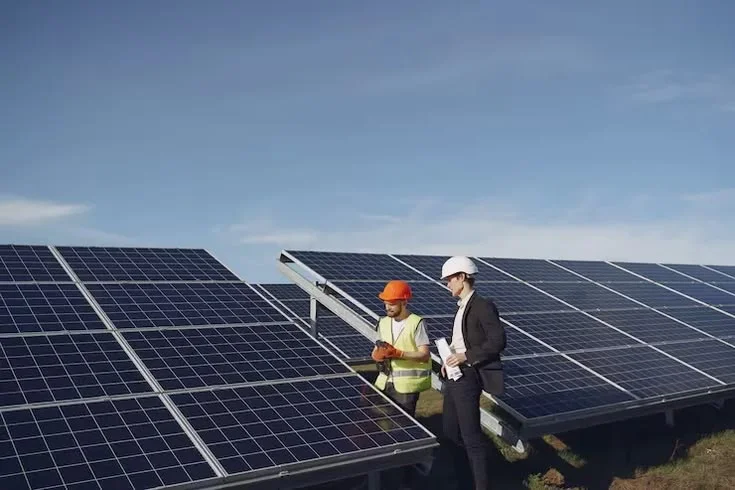
Due Diligence Questionnaire: Technical Design Checklist for Solar Power Systems
Structural Assessment and Roof Load Capacity
Before any panel layout is finalized, structural integrity must be verified. Key questions to ask:
- Has the design accounted for all three load types: static load (system weight), dynamic load (maintenance foot traffic), and wind load according to TCVN structural standards?
- Are the mounting clamps and base frames compatible with the roof material, whether metal sheet or a reinforced concrete slab?
- Has waterproofing been addressed at every roof penetration point to prevent leakage into the facility?
- For coastal or industrial sites with high acidity, has the framing material been specified with appropriate corrosion resistance?
Inverter and String Configuration Review
This is one of the most technically critical areas in the operational due diligence process. String configuration directly affects how much energy the inverter can extract under varying temperature and irradiance conditions.
- Is the number of panels per string sized so that the string voltage remains within the inverter MPPT range across seasonal temperature variation?
- Has the string layout been designed to minimize current mismatch and shading losses?
- Is the inverter positioned in a naturally ventilated location, away from direct sunlight, to maintain stable operating temperature?
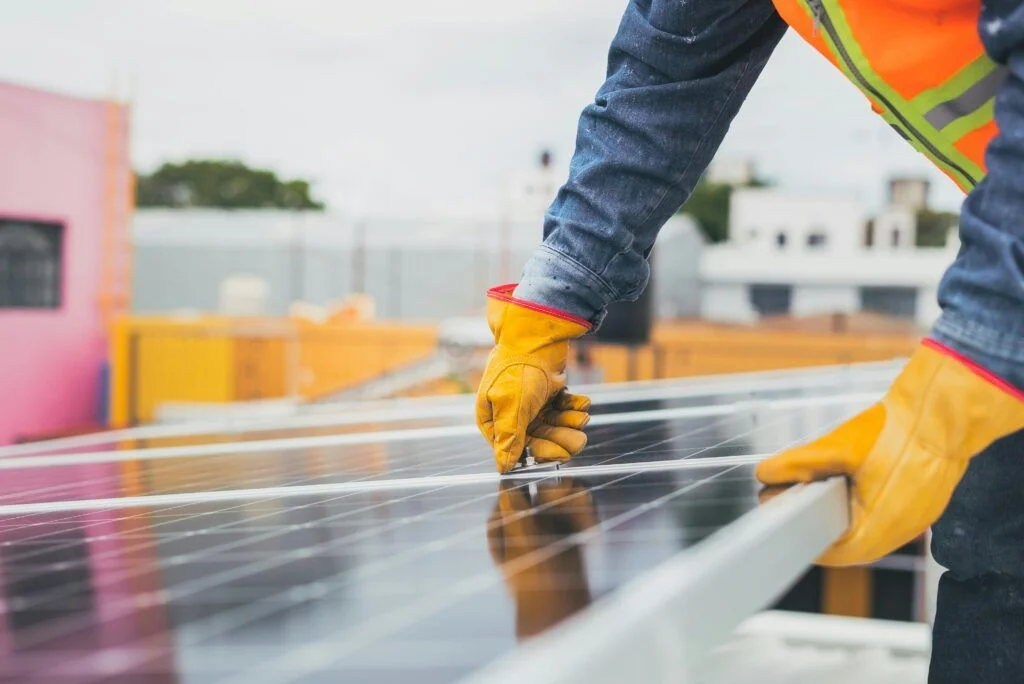
DC/AC Cable Systems and Grid Interconnection
Cabling is often under-scrutinized in solar due diligence questionnaire reviews, yet cable losses directly affect financial returns.
- Are all DC and AC cable runs routed through dedicated conduit or cable trays to meet electrical safety requirements?
- Have MC4 connector quality and termination points been specified to prevent DC arc faults?
- Is total cable loss projected to remain below 1-2% of system output under normal operating conditions?
Electrical Protection and Safety Systems
- Has a surge protection device (SPD) been specified for both the DC and AC sides of the system?
- Does the earthing system design include ground resistance measurements verified against regulatory safety thresholds?
- Is a Rapid Shutdown system included to protect firefighters and technicians in emergency scenarios?
Equipment Quality Assessment: What to Verify in Operational Due Diligence
A well-designed system is only as reliable as the hardware it runs on. Equipment quality review is a central part of any operational due diligence process, and it helps eliminate the risk of premature failures and long-term underperformance.
PV Modules
- What is the nameplate efficiency and what degradation rate is warranted by the manufacturer? A high-quality module should retain stable power output over multiple decades.
- Does the module carry valid international certifications (IEC, UL), and what are the exact terms of the long-term power output warranty?
- Has the module been tested for mechanical load resistance (wind and snow pressure) and environmental durability in high-humidity or high-salinity environments?
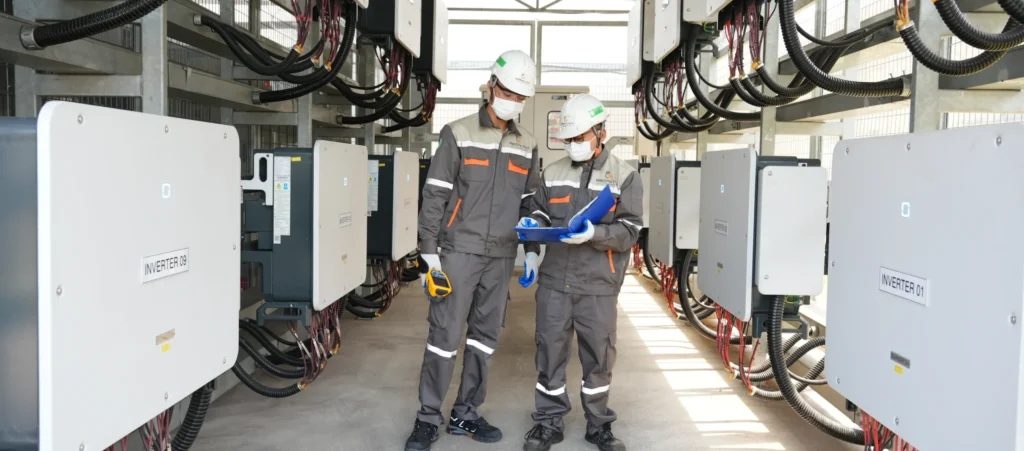
Inverters
- What is the inverter MPPT voltage range and peak conversion efficiency? For tropical climates like Vietnam, thermal tolerance is a critical specification.
- Does the inverter carry an IP65 rating or higher for outdoor installation?
- Does the unit include remote monitoring and data logging capability so that the O&M team can track performance metrics in real time?
Mounting Structures and Racking Systems
- What is the coating specification: hot-dip galvanizing (HDG) or Zn-Al-Mg alloy? Is the material thickness sufficient for the intended service life?
- Has the racking been load-tested against wind load design standards to confirm it will not deform under storm conditions?
- Is the structural stability of the racking suitable for industrial environments with elevated oxidation risk?
Operations and Maintenance (O&M) Readiness Checklist
Smart design is design that anticipates the needs of the people who will maintain the system. Overlooking O&M considerations during design review is a common and costly mistake for asset owners.
Monitoring and Performance Management
- Does the monitoring platform support string-level visibility, so that the O&M team can pinpoint the exact location of a faulty panel without a full-site manual inspection?
- Is there automated fault alerting and real-time Performance Ratio (PR) tracking integrated into the system?
Maintenance Access and Panel Cleaning
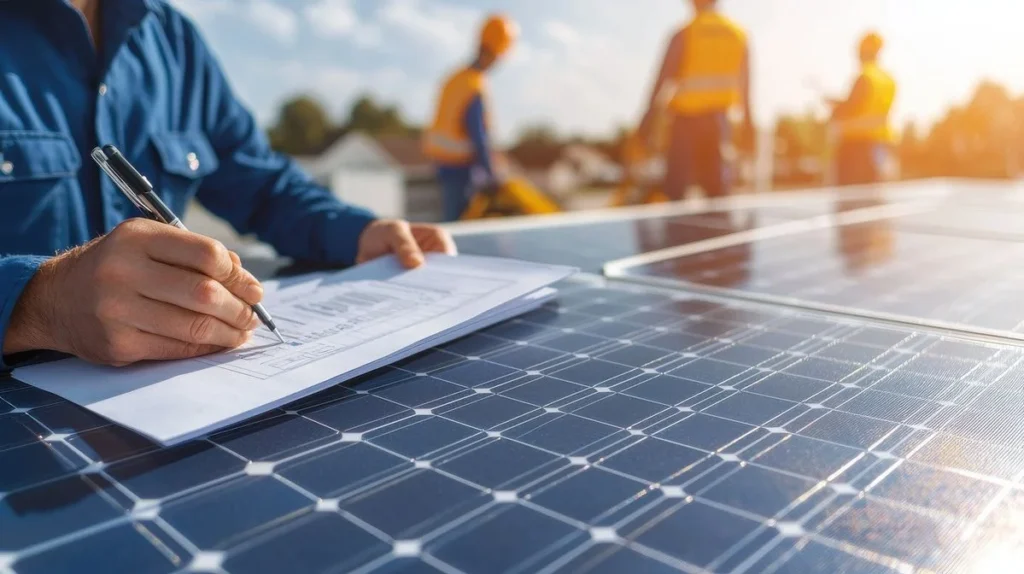
- Are the row spacing and aisle widths sufficient for safe technician access, routine cleaning, and component replacement?
- Has row spacing been calculated so that maintenance personnel can move freely without applying pressure to panel surfaces?
Scalability and Future Upgrade Planning
- Has the design reserved physical space and electrical capacity for future capacity expansion or energy storage system (ESS) integration?
- Is there a documented component replacement roadmap covering the 10-to-20-year operational lifecycle, so that the O&M team is never caught off guard by compatibility issues?
These three O&M dimensions are part of the broader due diligence questionnaire framework that Electric Bird applies when auditing existing systems or reviewing new project designs.
Electric Bird: Your Independent Solar Due Diligence Partner
In many solar projects, underperformance is not the result of low-quality equipment. It is the result of design assumptions that were never independently verified. Small misalignments in technical configuration, roof structure assessment, or O&M planning can cause actual energy generation to fall short of financial projections, stretch payback periods, and reduce asset value over time.
Electric Bird provides independent technical due diligence and operational due diligence services for solar power systems, benchmarked against international standards. Our engineering team does not just review drawings. We analyze system configuration, energy loss modeling, and real on-site operating conditions to give asset owners a clear, quantified picture of what a system will actually deliver.
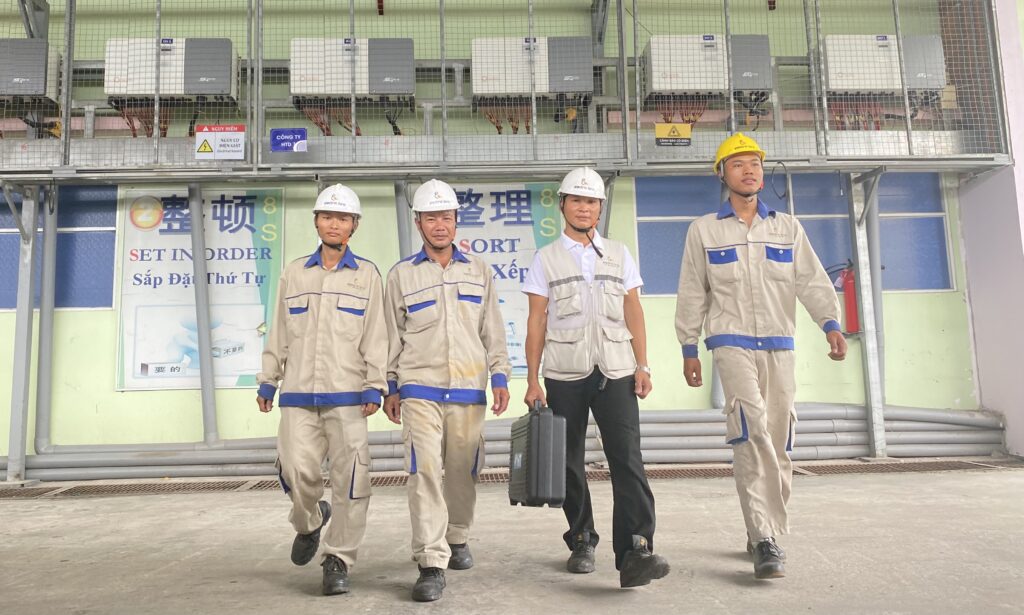
This approach has consistently helped clients improve actual energy yield by approximately 5-10% compared to standard designs, while reducing long-term operational risk.
If your business is preparing a new solar investment or needs a performance review of an existing system, contact Electric Bird to have our engineers conduct a full due diligence questionnaire assessment from the design phase onward.
FAQ: Solar Power System Due Diligence
Why conduct a due diligence questionnaire before investing in a solar system?
A structured due diligence questionnaire surfaces technical risks before construction begins. Many systems underperform not because of equipment failure, but because initial design assumptions around shading, roof load, or inverter configuration were never verified. Catching these early directly protects your financial return.
How is technical due diligence different from standard EPC design?
EPC design is focused on building something that can be constructed. Technical due diligence asks whether that design will perform efficiently over 20 years. It is an independent review layer that checks energy yield assumptions, system losses, inverter efficiency, shading impact, and real operating conditions.
How much can shading reduce solar system output?
If string configuration does not include proper bypass diode optimization or string separation, a small shaded zone can cause cascading losses across the entire string. Depending on design quality, unaddressed shading can reduce system output by 10-25% during peak hours of the day.
What is an acceptable cable loss target for a solar system?
Total cable loss should generally remain below 1-2% of system output. If cable routing is suboptimal, conductor cross-sections are undersized, or runs are excessively long, losses increase and directly reduce the project’s long-term financial efficiency.
Can due diligence actually increase energy production?
It does not generate additional electricity, but it eliminates design-based losses. By identifying and correcting shading, mismatch, cable loss, and inverter configuration issues before commissioning, a thorough due diligence questionnaire review can improve actual system yield by approximately 5-10% compared to unreviewed standard designs.