Rooftop Solar Feed-in Tariff & Purchase Prices Vietnam 2026

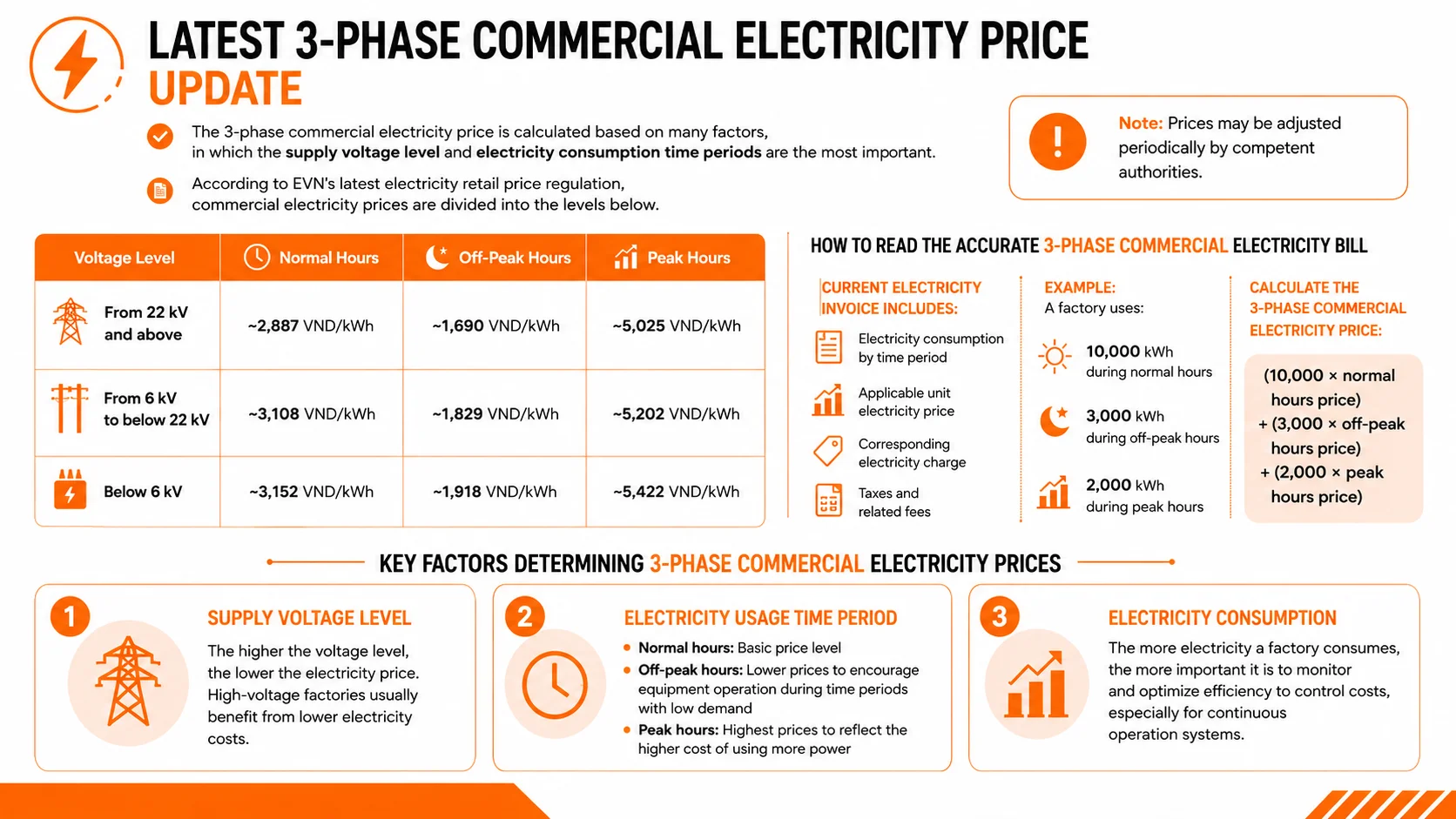
Solar rooftop investment in Vietnam has fundamentally shifted. Rather than chasing feed-in tariff revenue, asset owners today optimize self-consumption to reduce OPEX and protect long-term IRR. Understanding how electricity purchase prices are structured under current regulations is the starting point for any credible financial model.
How Vietnam’s Solar Rooftop Electricity Pricing Works in 2026
Under Decree 135/2024/ND-CP, grid-connected solar rooftop systems are permitted to sell surplus electricity back to the national grid, capped at a maximum of 20% of actual installed capacity. The fixed Feed-in Tariff (FIT) mechanism that defined the earlier growth phase of Vietnam’s solar market has officially closed. The regulatory environment now incentivizes a higher self-consumption ratio rather than maximizing grid export.
The purchase price for surplus solar rooftop electricity is determined by EVN based on the government’s renewable energy support policies and Ministry of Industry and Trade guidelines applicable to each period. Specifically, pricing references three key decisions:
- Decision No. 11/2017/QD-TTg (issued April 11, 2017)
- Decision No. 02/2019/QD-TTg (issued January 8, 2019)
- Decision No. 13/2020/QD-TTg (issued April 6, 2020)

According to EVN’s official announcement, the 2026 purchase prices applied to solar rooftop systems are determined by commissioning date and meter confirmation:
- Systems commissioned and meter-confirmed between June 1, 2017 and June 30, 2019: 2,348 VND/kWh (excluding VAT), equivalent to 9.35 UScents/kWh.
- Systems commissioned and meter-confirmed between July 1, 2019 and December 31, 2020: 2,105 VND/kWh (excluding VAT), equivalent to 8.38 UScents/kWh.
The USD-denominated equivalent rates are converted using the VND/USD central exchange rate published by the State Bank of Vietnam. The rate applied for 2026 is 1 USD = 25,121 VND.
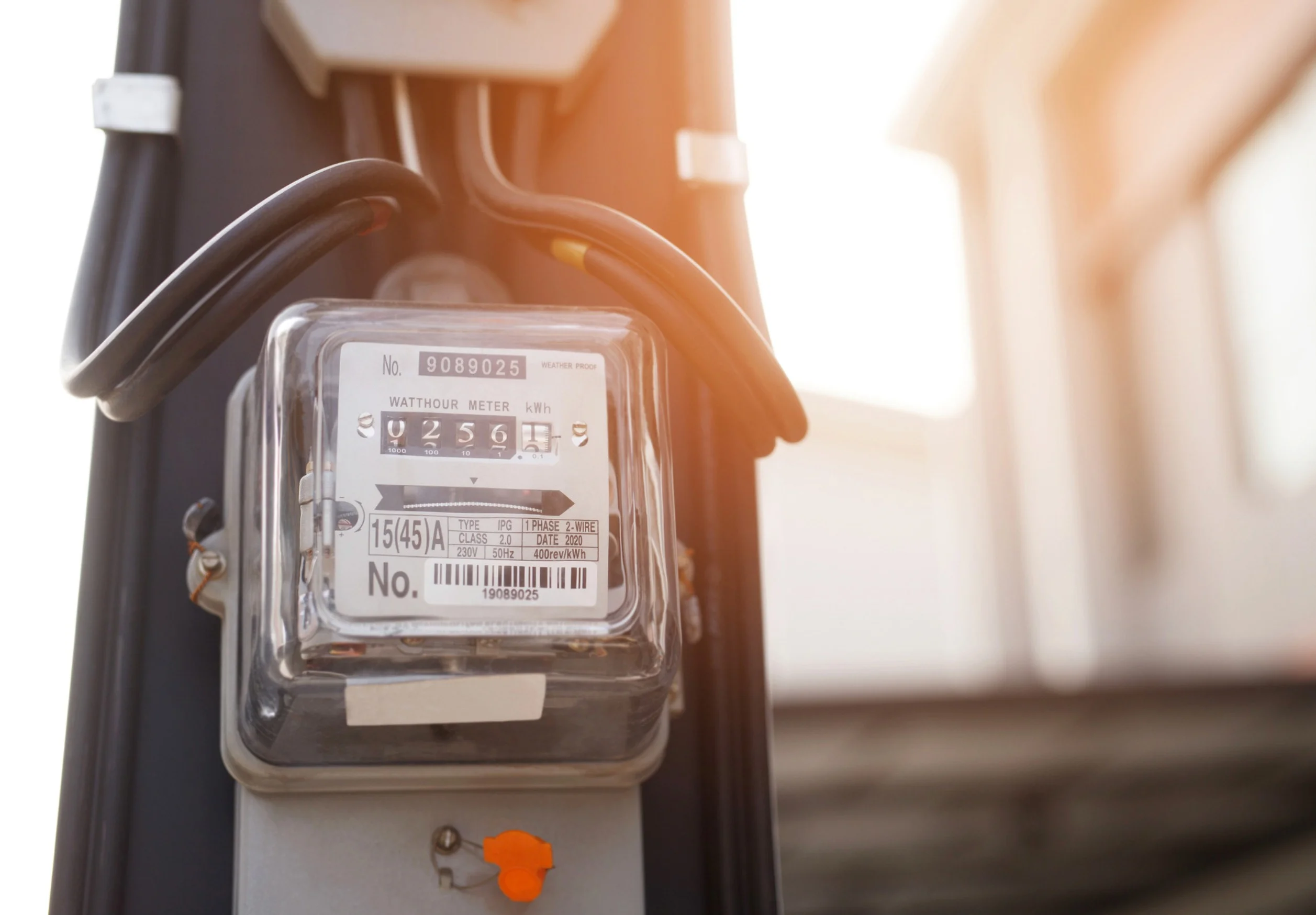
It is important to note that these prices apply only to systems registered under the earlier FIT windows. New solar rooftop projects commissioned after the close of these programs do not have an equivalent fixed purchase price mechanism in place at this time.
The Self-Consumption Model: From Revenue Generation to OPEX Reduction
The strategic logic for solar rooftop investment has changed significantly. For industrial and commercial asset owners, the value proposition today is not selling electricity — it is reducing the cost of buying it.
Cutting Energy Costs During Peak Demand Windows
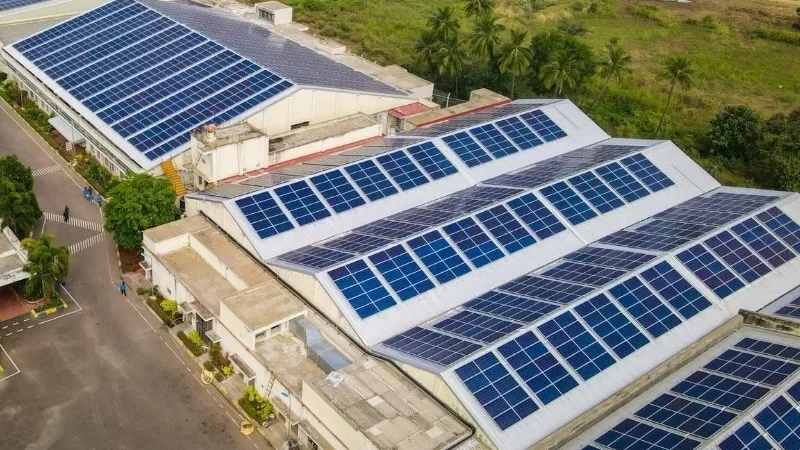
A well-designed solar rooftop system should be sized against the facility’s actual load profile, not just nameplate capacity. When the system generates peak output during high-irradiance hours — which typically coincide with peak grid tariff windows — the facility directly displaces high-cost grid electricity. This is where the real financial return is built.
Spreading Grid Price Risk Over a 20-25 Year Asset Life
Solar rooftop assets carry a 20 to 25-year operational lifespan. Owning the system allows the asset owner to hedge against annual grid tariff escalation, which in Vietnam has historically tracked upward over time. By locking in a portion of energy consumption through self-generated solar, the business protects its OPEX structure from external price shocks and maintains a more predictable IRR trajectory.
Technical Factors That Determine Your Solar Rooftop IRR
Performance Degradation and Lifecycle Losses
Many solar rooftop systems operate without triggering alarms while quietly underperforming against their Year 1 baseline. Common technical contributors include:
- Localized hotspots that degrade individual cells and accumulate output losses year over year.
- String mismatch losses that may appear minor in isolation but compound into material production shortfalls over a multi-year horizon.
- Inverter power derating caused by thermal overload during peak irradiance hours, precisely when production should be at its highest.
These issues represent underperformance against the design specification rather than outright failures. Without systematic monitoring, they go undetected for quarters or even years.
Why Performance Ratio Tracking Matters for Asset Management
A drop in generation attributable to reduced irradiance is an expected meteorological outcome. A drop in Performance Ratio (PR) is a different problem entirely — it signals a technical fault or system degradation that is costing the asset owner real revenue. For systems relying on the 20% surplus sale allowance, PR deviation directly erodes the financial assumptions built into the original model. PR and system availability should be tracked on a same-period comparative basis to isolate technical underperformance from weather-related variation.
Electric Bird: EPC Contractor Focused on Whole-Life Asset Performance
Electric Bird’s approach to solar rooftop projects is built around asset performance over the full project lifecycle, not just hardware delivery at commissioning.
Our methodology includes three core service elements:
- Load Profile Baseline Modeling: We assess your facility’s actual load capacity and simulate irradiance to calibrate the self-consumption/surplus ratio. The goal is to reach the break-even point as efficiently as possible while keeping the 20% export volume aligned with the financial model.
- SLA-Based Performance Commitments: Operational KPIs are quantified and embedded in the SLA annex, establishing minimum acceptable service levels rather than aspirational targets. Incident response times are classified and documented by impact severity.
- Condition-Based O&M Strategy: Our solar O&M service does not apply fixed-interval maintenance schedules. Cleaning frequency, inspection cycles, and intervention thresholds are tied to measured soiling loss economics, not calendar dates.
Contact Electric Bird‘s engineering team to receive a Pre-Feasibility Study and financial simulation tailored to your solar rooftop system.
FAQ: Solar Rooftop Electricity Pricing in Vietnam
How is the solar rooftop electricity purchase price calculated in 2026?
The price is determined by EVN based on government renewable energy support policies and the date the system was commissioned and meter-confirmed. Applicable rates differ by registration period under the original FIT windows.
Can surplus solar rooftop electricity be sold back to EVN?
Yes. Surplus output can be purchased under the mechanism applicable to each system category and commissioning period, subject to technical compliance, metering requirements, and grid connection standards.
What are the 2026 solar rooftop purchase prices from EVN?
Systems commissioned between June 1, 2017 and June 30, 2019 receive 2,348 VND/kWh (excluding VAT). Systems commissioned between July 1, 2019 and December 31, 2020 receive 2,105 VND/kWh (excluding VAT).
Is a separate meter required to sell surplus solar rooftop electricity?
Yes. The system must be equipped with compliant metering devices and meet technical grid connection requirements to accurately measure and record electricity exported to the grid.