1528+
MWp Capacity435+
Projects1528+
MWp Capacity435+
Projects1528+
MWp Capacity435+
Projects1528+
MWp Capacity435+
Projects
1528+
MWp Capacity435+
Projects1528+
MWp Capacity435+
Projects1528+
MWp Capacity435+
Projects1528+
MWp Capacity435+
Projects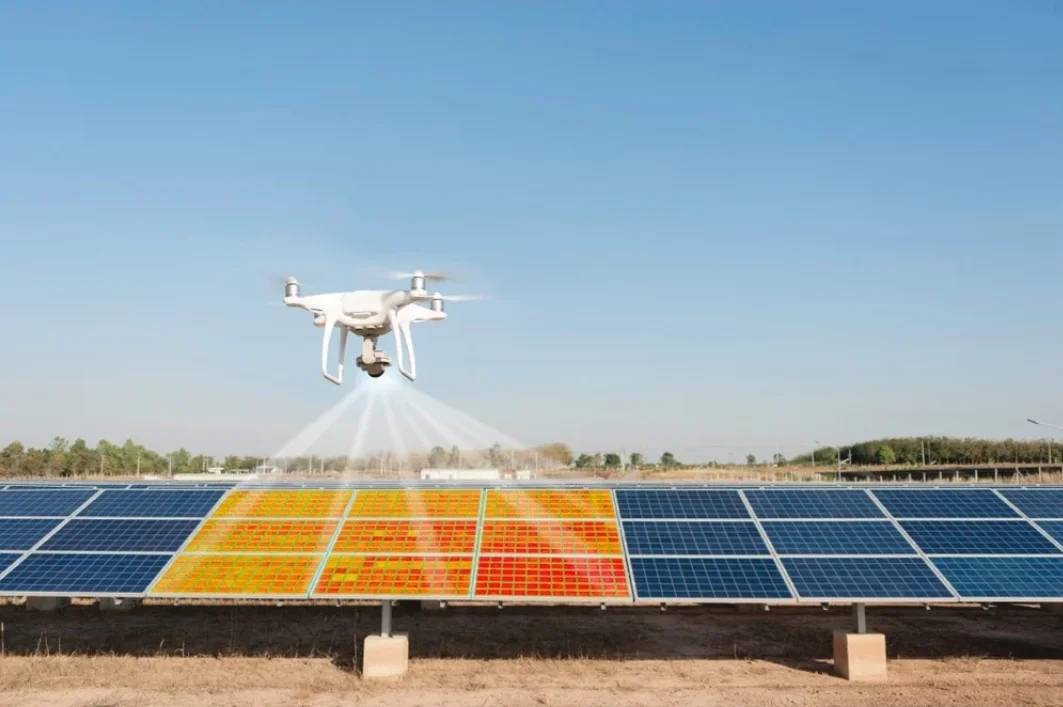
Is your solar system running normally but silently losing yield? Some of the root causes behind energy losses are buried deep inside equipment, completely invisible to the naked eye. A thermal camera inspection is the breakthrough technology that changes how O&M teams diagnose and protect solar assets.
At Electric Bird, we use drone-mounted thermal cameras to scan entire solar farms quickly and precisely, identifying faults before they compound into costly production losses. Here is a detailed breakdown of how this technology improves performance verification and end-to-end O&M for solar farms.
In real-world operations, many systems show no critical alarms yet are silently underperforming relative to their Year 1 baseline. The absence of alerts on a monitoring dashboard does not mean the asset is healthy. Performance degradation often builds gradually, and routine inverter status checks alone are insufficient to protect your return on investment.
Detecting these trends requires string-level and seasonal analysis using specialized tools. A drone-mounted thermal camera delivers three core operational benefits:
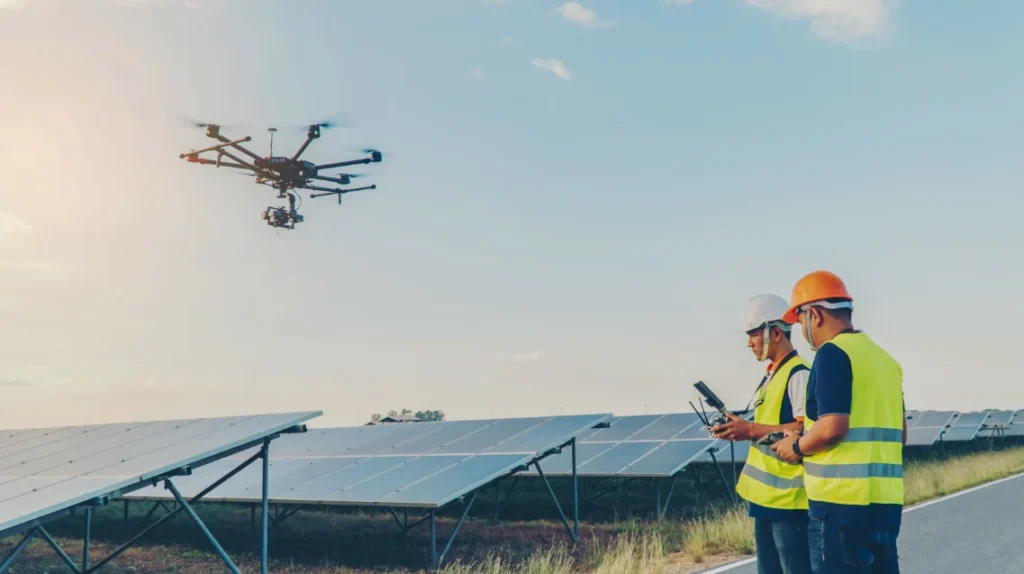
Every physical object emits infrared radiation. The sensor captures this radiation from PV module surfaces and converts it into a visual thermographic image, where color gradients represent temperature differentials. Warmer zones indicate higher electrical resistance or current deviation, both of which are early markers of developing faults.
To perform credible root-cause analysis and eliminate the risk of recurring defects, the equipment and measurement conditions must meet strict technical standards:
Adhering to these parameters ensures the data supports contractual SLA verification and performance benchmarking against design targets.
Over time, PV modules can show abnormal degradation that exceeds the expected natural degradation rate. A thermal camera scan immediately identifies the following fault types:
This technology is not limited to module-level inspection. It plays a critical role in monitoring balance-of-system (BOS) equipment and environmental impacts:
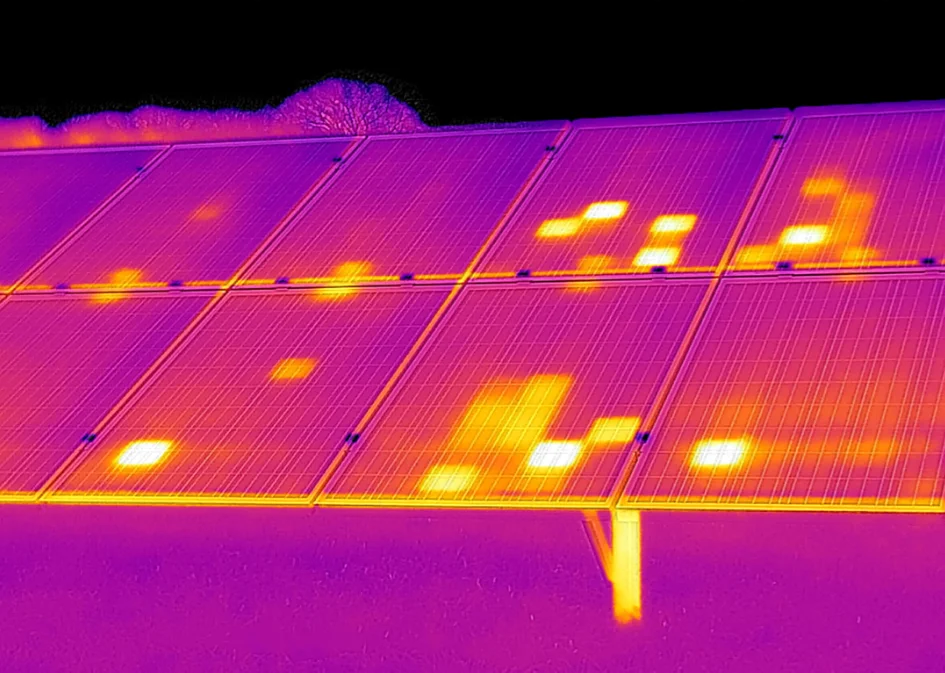
The traditional reactive maintenance model increases the long-term risk of performance degradation. To professionalize solar asset management, time-based maintenance schedules must give way to condition-based maintenance driven by real field data.
Advanced solar O&M companies now use thermographic data to build predictive maintenance strategies. The quantifiable impact is clear:
A solar project is a long-life energy asset with a 20 to 25-year operational horizon. Any undetected performance degradation compounds over time, reducing IRR and increasing lifecycle cost. SCADA systems only create value when their data is trend-analyzed and translated into operational decisions. This program closes the gap between raw monitoring data and actionable field intervention.
Electric Bird understands that operational accountability must be clearly allocated through risk-sharing mechanisms in the O&M contract. With our specialized solar maintenance services, we commit to rigorous monitoring of PR, availability, and downtime metrics, keeping all performance indicators within contractually agreed thresholds.
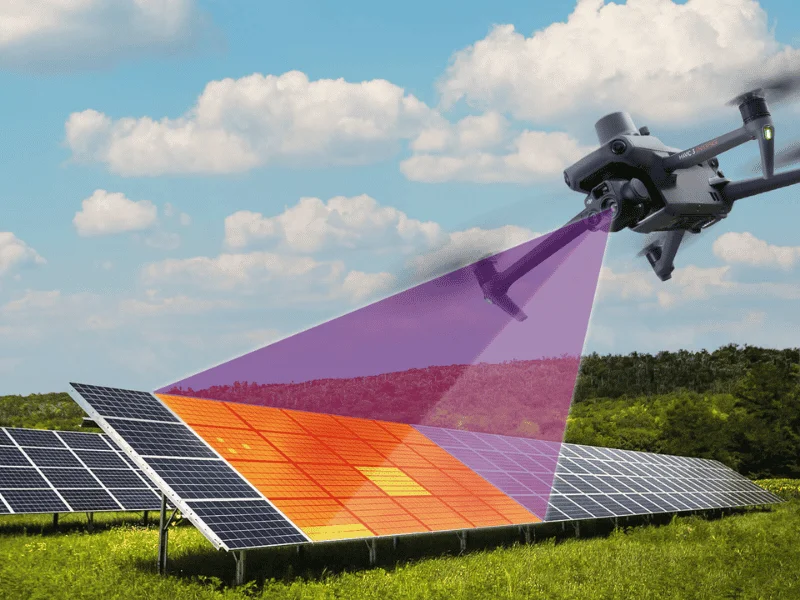
Our team deploys high-resolution thermal cameras as part of a structured, data-driven O&M program designed for asset owners who demand full transparency and quantifiable performance guarantees. Every inspection follows IEC 61724 benchmarks and delivers a ranked fault report with remediation priorities.
Contact Electric Bird today to schedule a professional thermal camera inspection and protect the long-term yield of your solar asset.
As a general rule, a full thermographic inspection should be conducted at least once or twice per year. Additional unscheduled scans are recommended after severe weather events such as storms or heavy winds to verify system integrity.
Thermal cameras excel at detecting faults that produce a heat signature, including hotspots, bypass diode failures, substring faults, and abnormal cable termination heat at BOS panels. For optical degradation such as minor glass abrasion or software communication errors that generate no heat, SCADA data review and visual inspection must supplement the thermal scan.
Yes, measurement conditions are critical. Scans should be performed under clear skies with solar irradiance above 600 W/m², low cloud cover, and low wind speed. Strong wind cools hotspot areas rapidly, which can mask latent faults and reduce detection accuracy.
Reactive maintenance addresses faults only after they trigger a visible alarm or measurable output drop. Predictive maintenance uses thermographic data to identify developing faults before they affect production, reducing both unexpected downtime and cumulative yield loss over the project lifecycle.
A minimum thermal resolution of 640 x 512 pixels is the industry benchmark for drone-based solar inspections. Lower resolutions risk missing micro-defects at the individual cell level, which can lead to underreporting of fault severity and incorrect prioritization of repair work.
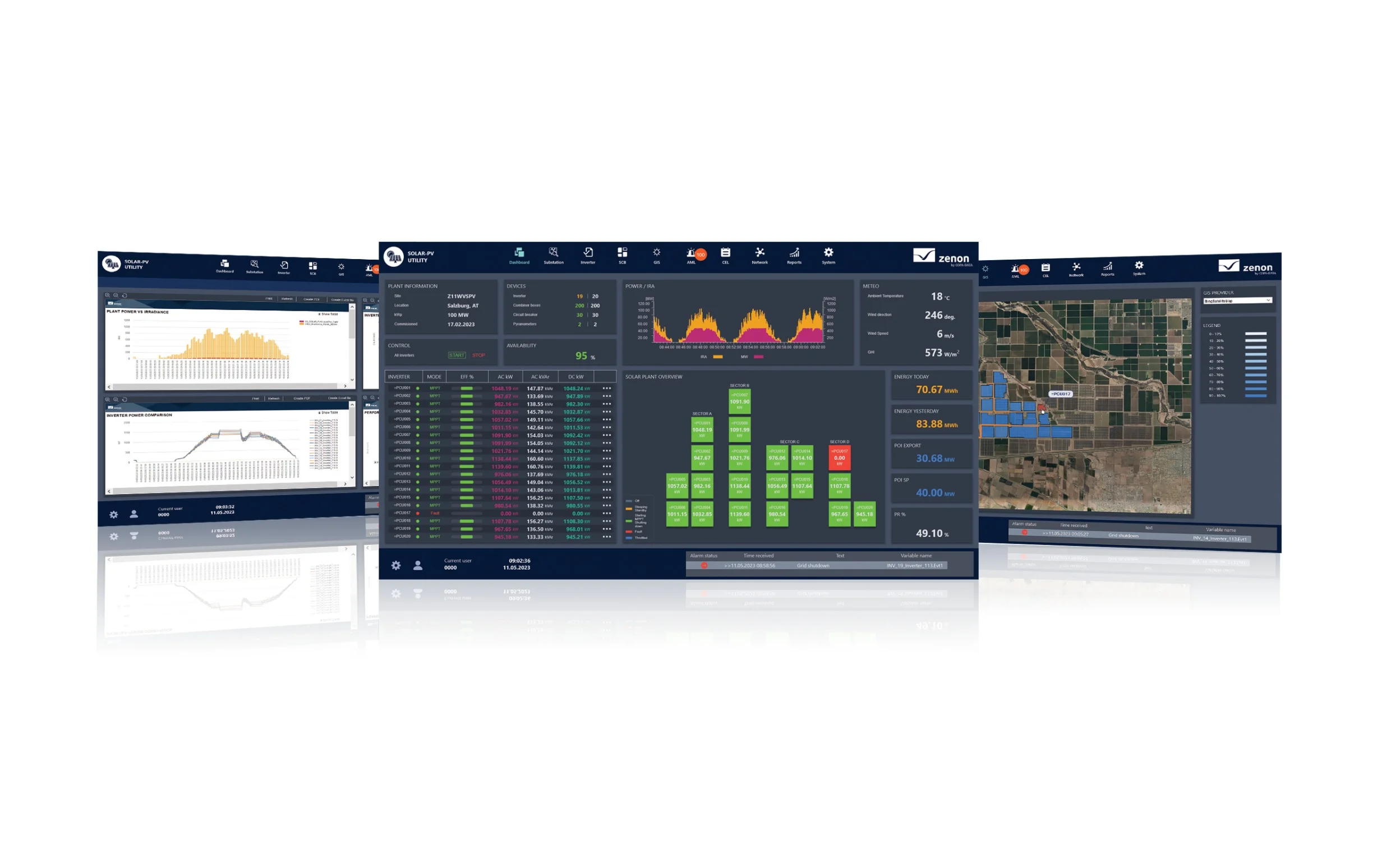

During the investment and operation of solar power plants, many businesses confuse monitoring with SCADA. While both serve the purpose of system oversight, these two platforms differ significantly in terms of functionality, control capabilities, and operational support. For large-scale projects in particular, understanding the role of SCADA in a solar power system helps investors optimize […]

In the digital energy era, managing a solar power plant goes far beyond reading basic performance metrics. An AI-integrated SCADA control system shifts the entire operational model from passive data collection to active predictive intelligence, giving asset owners a decisive edge in protecting long-term returns. From Reactive Monitoring to Predictive Intelligence Most conventional SCADA control […]
Most solar panel businesses reach commercial operation and immediately shift focus to the next project. The system is running, the inverters are green, and the monthly report shows output. But here is the uncomfortable reality: a system can appear operational while silently losing 5 to 15 percent of its annual yield, and the owner never […]