Vietnam Renewable Energy Policy Updates: Incentives for Solar & Clean Energy Development

Vietnam renewable energy landscape is undergoing a fundamental transformation. With new policies on direct power purchasing, rooftop solar self-consumption, and a comprehensive suite of tax incentives, businesses that act now stand to gain a long-term competitive edge, especially those facing ESG compliance pressures and rising carbon trade barriers.
Vietnam Renewable Energy Legal Framework and National Goals
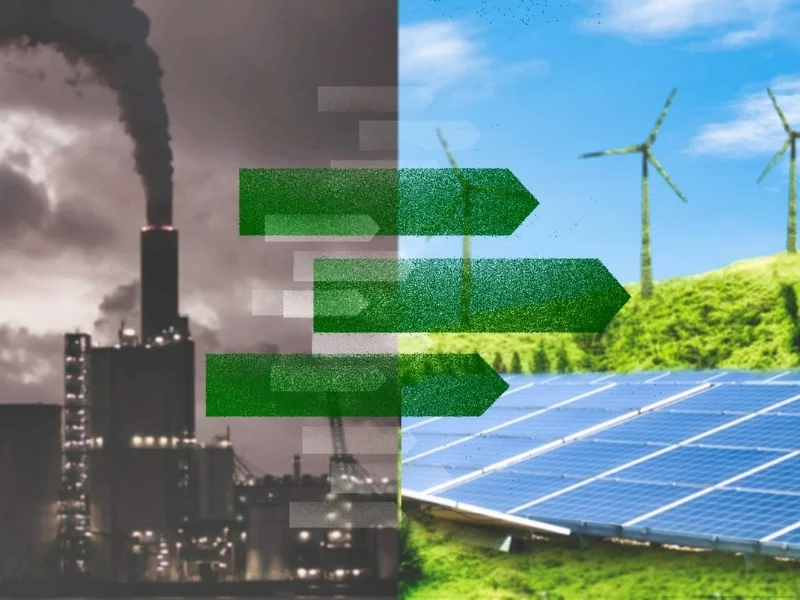
Vietnam has positioned renewable energy at the core of its national energy strategy, with concrete targets set under the revised National Power Development Plan VIII:
- By 2030: Renewable energy is targeted to account for 30.9% to 39.2% of total power capacity.
- By 2050: The long-term vision pushes this share to 67.5%–71.5%, signaling a near-complete energy transition.
- Priority sources: Offshore and onshore wind, and particularly rooftop solar for self-consumption, are prioritized to reduce pressure on the national grid.
These targets are not aspirational rhetoric. They are backed by legally binding decree mechanisms and investment incentive frameworks designed to attract both domestic and foreign capital into Vietnam renewable energy projects.
For asset-owning businesses, this policy direction translates into a predictable regulatory environment. Long-term power costs become manageable, and clean energy credentials strengthen positioning with international buyers operating under CBAM or RE100 commitments.
Direct Power Purchase Agreement (DPPA): What It Is and How It Works
The enactment of Decree 80/2024/ND-CP introduced the Direct Power Purchase Agreement (DPPA) mechanism, a structural shift that allows large electricity consumers to buy power directly from renewable energy generators, bypassing EVN as the sole intermediary.
Two transaction models are available:
- Private wire (direct line): The generator and buyer sign a bilateral contract and invest in a dedicated transmission line. This model offers maximum price certainty and contractual flexibility.
- Through the national grid: Transactions occur via the existing grid infrastructure, with pricing determined by the spot electricity market average.
Eligibility requirements:
- Renewable energy generators must have an installed capacity of at least 10 MW (for grid-based transactions).
- Large electricity consumers must have an average monthly consumption of at least 200,000 kWh.
Business value of DPPA participation:
Beyond cost control, DPPA gives electricity buyers ownership of International Renewable Energy Certificates (I-RECs). These certificates are increasingly required for green reporting frameworks, including GHG Protocol Scope 2 accounting and CDP disclosures. For manufacturers exporting to the EU or North American markets, I-RECs are rapidly becoming a procurement prerequisite, not just a nice-to-have.
Vietnam renewable energy procurement through DPPA is, in effect, a hedging tool for long-term energy cost management and supply security.

Rooftop Solar Policy: Key Breakthroughs for Self-Consumption Systems
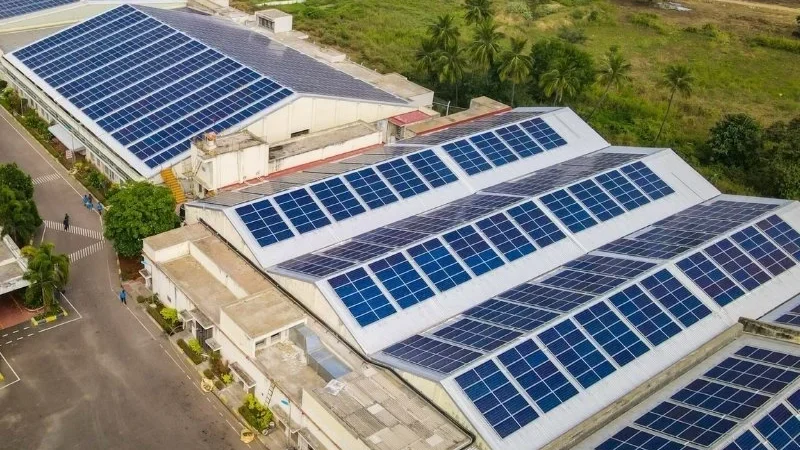
If rooftop solar previously faced friction around surplus power handling, the current legal framework has addressed this comprehensively. Three specific policy changes deserve attention from asset owners.
1. Selling surplus power back to the grid (up to 20%)
Grid-connected rooftop solar systems are now permitted to sell surplus generation back to EVN, up to a maximum of 20% of the installed capacity. The purchase price is calculated based on the previous year’s average spot market rate. This mechanism directly improves financial returns and shortens payback periods for distributed Vietnam renewable energy installations.
2. Licensing exemption for systems under 1 MW
Rooftop solar self-consumption systems with an installed capacity below 1 MW are exempt from the electricity operating license requirement. This single policy change removes one of the most significant administrative barriers that previously slowed investment decisions for mid-sized industrial and commercial property owners.
3. Streamlined administrative procedures
The government has mandated that grid operators and regulatory agencies simplify the entire approval chain. Registration, construction safety inspection, fire prevention compliance, final acceptance testing, and grid connection procedures have all been shortened in scope and timeline. For business owners managing multiple assets, this means lower project management costs and faster deployment cycles.
Tax, Land, and Green Finance Incentives
To accelerate capital flows into Vietnam renewable energy and emerging clean energy sectors, the government applies the highest-tier financial incentive package available under Vietnamese investment law.
| Incentive Type | Key Terms |
|---|---|
| Corporate Income Tax | Preferential rate of 10% for 15 years; 4-year full exemption followed by a 50% reduction for 9 years (applicable to green hydrogen and green ammonia projects) |
| Import Tax | Full exemption on imported fixed assets — including solar panels, inverters, and components — not yet manufactured domestically |
| Land Use | Exemption or reduction on land lease fees and land use fees, subject to location and investment incentive category |
| Green Credit | Access to low-interest financing through international financial institutions and domestic banks expanding their green lending portfolios |
These incentives make Vietnam renewable energy projects considerably more attractive on a risk-adjusted return basis compared to conventional energy investments. For businesses conducting capital allocation decisions, the effective cost of financing a solar EPC project is materially lower than it appears at headline capex figures.
Maximizing Policy Benefits with Electric Bird’s Full EPC Solution
Understanding policy is one thing. Executing a project that actually captures these financial and operational benefits is a separate engineering and commercial challenge.
As a specialized solar EPC company operating in Vietnam, Electric Bird provides end-to-end solutions that are designed specifically to help asset owners extract maximum value from the current policy environment.
Feasibility assessment and financial modeling
Electric Bird goes beyond panel placement. Every project begins with a detailed financial model: projected ROI, payback period scenarios based on actual consumption patterns, and the impact of the 20% surplus sale mechanism on net yields. System design is optimized to maximize self-consumption ratios, avoiding generation waste.
Full regulatory representation
Electric Bird manages the entire compliance process on behalf of the project owner, including self-consumption registration under Decree 135, grid connection agreements with local electricity utilities, and the more complex documentation required for DPPA participation.
International-standard procurement and construction
All equipment is sourced from globally certified Tier 1 manufacturers. Construction follows EVN’s technical standards precisely, ensuring that bidirectional meter installation and final acceptance procedures proceed without delay.
O&M services and performance monitoring
Post-commissioning, Electric Bird’s operations and maintenance team provides 24/7 system monitoring via SCADA technology. Early fault detection protects energy yield, ensuring that the financial benefits tied to Vietnam renewable energy policy incentives are not lost to unplanned downtime.
Conclusion
The current policy environment represents the most favorable window for renewable energy investment that Vietnam has offered to date. Legal barriers have been lowered, financial incentives are at their highest tier, and the compliance pathway for rooftop solar self-consumption is more straightforward than ever before.
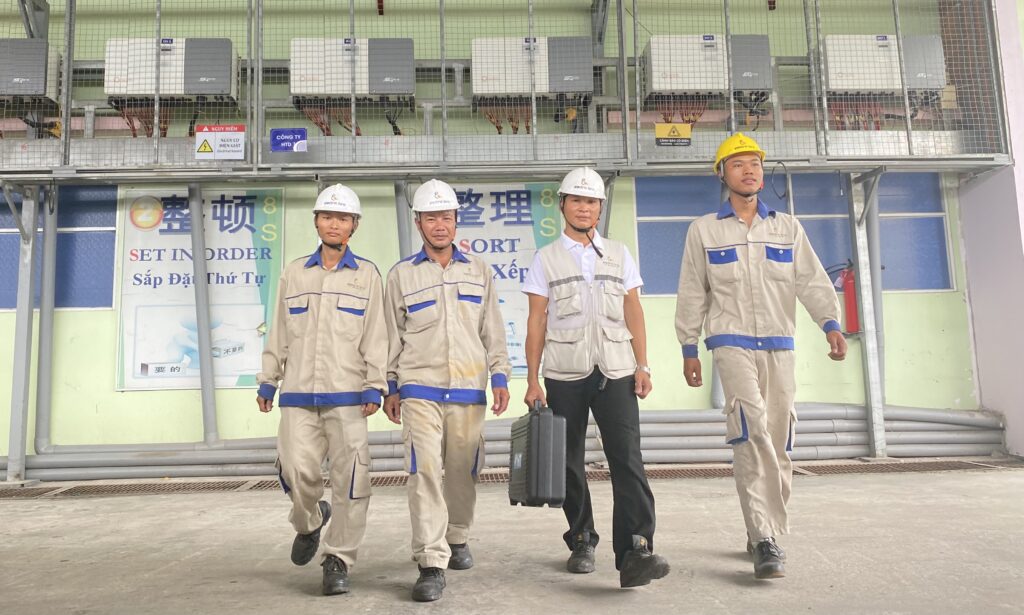
For businesses managing energy-intensive assets, the case for Vietnam renewable energy investment is now a financial optimization decision, not just an environmental one.
Contact Electric Bird today to assess your facility’s solar potential and develop a project roadmap tailored to current incentive frameworks.
FAQ about Vietnam Renewable Energy
What is DPPA and which businesses are eligible?
DPPA (Direct Power Purchase Agreement) is a mechanism allowing large electricity users to purchase power directly from renewable energy generators. Businesses with a monthly consumption of at least 200,000 kWh are eligible to participate, either through a dedicated private line or via the national grid.
Can rooftop solar self-consumption systems sell surplus power to EVN?
Yes. For grid-connected systems, organizations and individuals may sell surplus generation to EVN at up to 20% of actual installed capacity. The purchase price is based on the previous year’s average spot market rate.
Is an electricity operating license required for rooftop solar projects?
Not for smaller systems. Rooftop solar self-consumption installations with an installed capacity below 1 MW are exempt from the electricity operating license requirement under current regulations.
What corporate income tax incentives apply to renewable energy projects?
Eligible projects receive a preferential corporate income tax rate of 10% for 15 years, including a full 4-year tax exemption and a 50% reduction for the following 9 years. Import tax exemptions on fixed assets not manufactured domestically also apply.
Does solar energy in Vietnam qualify for green credit financing?
Yes. Solar energy projects in Vietnam can access low-interest green financing through both international development finance institutions and domestic commercial banks that are actively growing their green lending portfolios.