1528+
MWp Capacity435+
Projects1528+
MWp Capacity435+
Projects1528+
MWp Capacity435+
Projects1528+
MWp Capacity435+
Projects
1528+
MWp Capacity435+
Projects1528+
MWp Capacity435+
Projects1528+
MWp Capacity435+
Projects1528+
MWp Capacity435+
Projects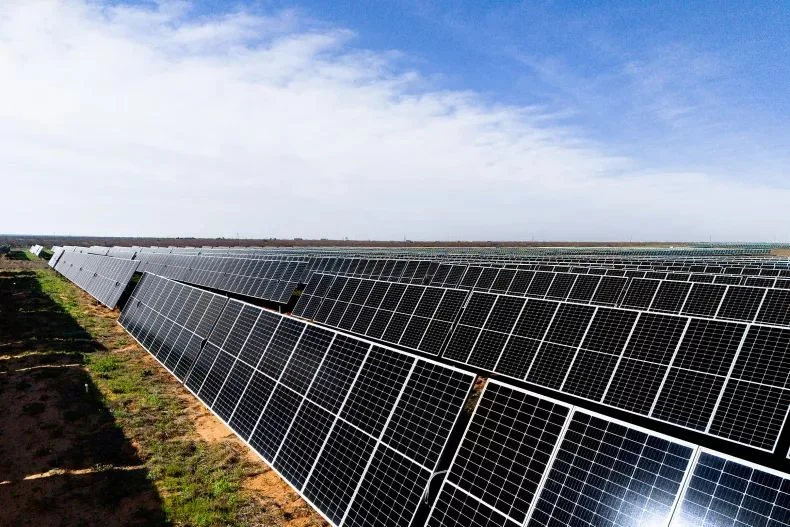
As businesses increasingly focus on the long-term performance of solar energy assets, choosing the right O&M model is no longer an afterthought. It needs to be built into the strategy from the very beginning. Every decision made during the design and installation phase directly influences system efficiency, operational costs, and asset value throughout the entire project lifecycle.
The contrast between a solar farm and a C&I rooftop system is especially significant. Differences in scale and risk exposure demand fundamentally different O&M strategies, and applying a one-size-fits-all approach is one of the most common mistakes asset owners make.
This article breaks down the core distinctions and shows you how to align your O&M strategy with each deployment model.
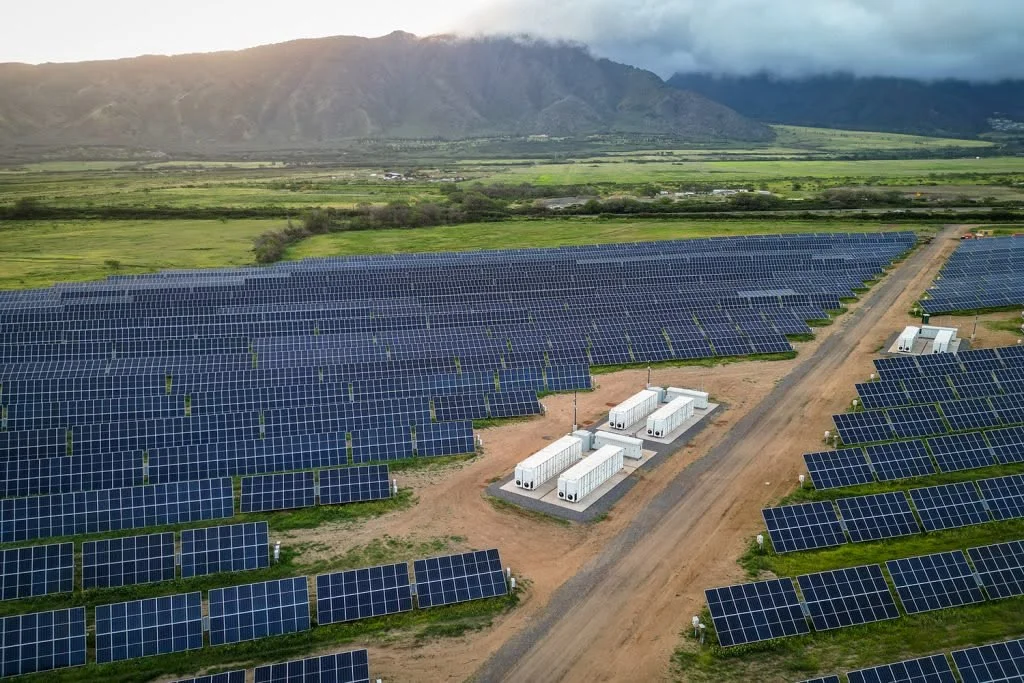
A solar farm is a utility-scale or large commercial power generation facility, typically ranging from several megawatts to hundreds of megawatts, built on dedicated land. The system follows a centralized architecture, with large power blocks each comprising PV string arrays, inverters, and step-up transformer stations. This design enables standardized operation and maintenance procedures across the entire plant.
Key structural characteristics of a solar farm include:
The centralized model makes it easier to standardize processes, enforce performance benchmarks, and scale O&M operations efficiently per megawatt installed.
Unlike a solar farm, a C&I rooftop installation is a distributed system deployed across factory rooftops, industrial parks, or commercial buildings. Capacity typically ranges from a few hundred kWp to a few MWp, divided across multiple roof zones using string inverters.
The design is inherently constrained by the host facility:
These physical constraints directly shape the O&M model. Access to equipment during production hours is limited, maintenance windows must be coordinated with factory schedules, and safety requirements span both electrical and structural risks.
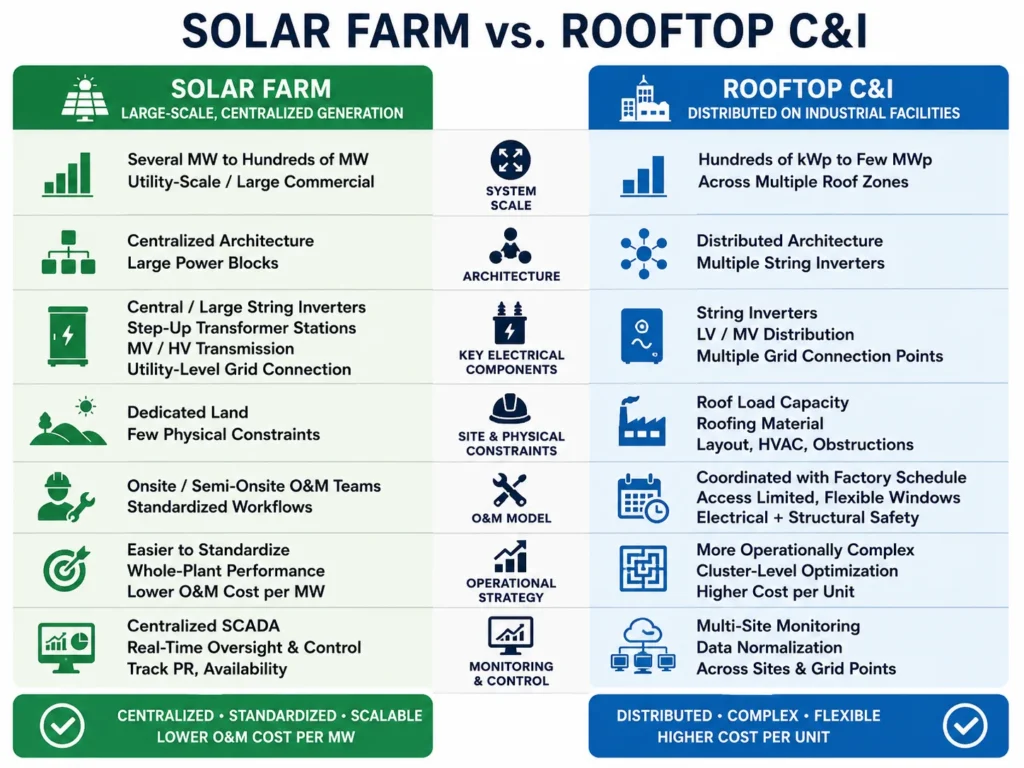
The centralized versus distributed nature of these two system types produces two fundamentally different operational strategies:
Monitoring complexity also diverges significantly. A solar farm relies on a centralized SCADA system for real-time oversight and control. A C&I rooftop portfolio requires multi-site monitoring with data normalization across different site configurations and grid connection points.
In a solar farm, the centralized architecture means a single fault can have system-wide consequences. The most critical operational risks include:
Given these risks, the O&M strategy for a solar farm must prioritize real-time monitoring of critical equipment and performance tracking through SCADA to contain failures before they cascade.
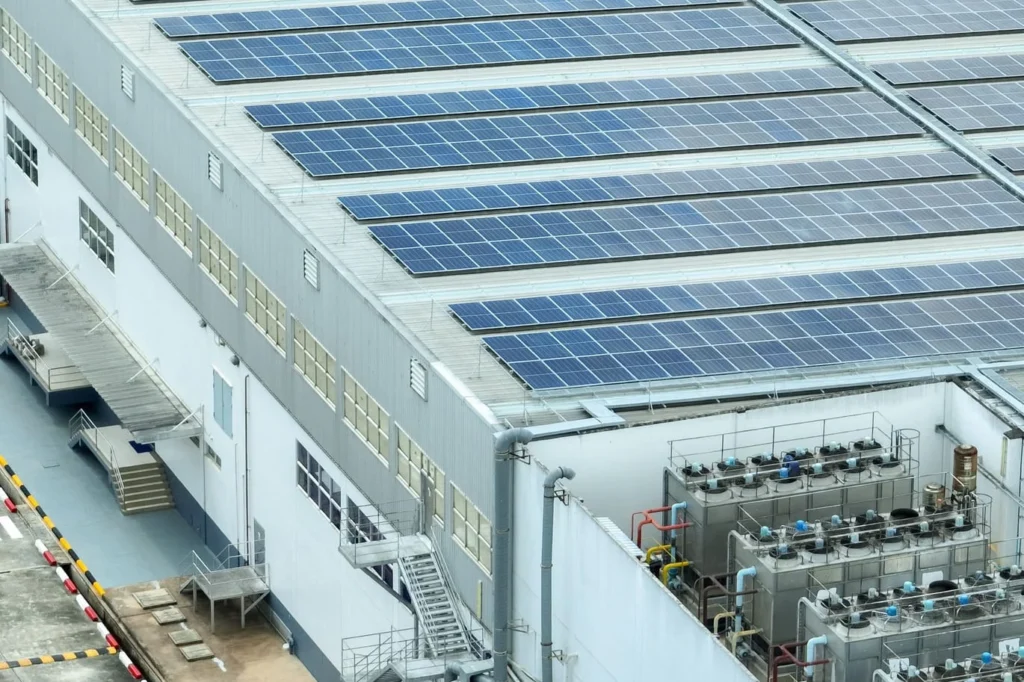
Rooftop solar power systems operating in industrial environments face a different and often more varied risk profile:
Because of this variability, rooftop O&M requires a provider that understands the operational rhythm of each specific facility rather than applying a fixed, solar-farm-style protocol.
In both models, monitoring is not simply an observation tool. It is the operational backbone of any effective O&M strategy. A well-designed monitoring architecture must deliver three layers of value:
For a solar farm, SCADA-integrated monitoring acts as the control center, enabling real-time oversight and rapid response to system-wide risks. For C&I rooftop portfolios, monitoring focuses on aggregating and normalizing data across distributed sites so asset owners maintain visibility over the full system portfolio, not just individual installations.
Regardless of scale, robust monitoring is the single biggest factor determining long-term operational performance and financial risk control.
Reducing long-term O&M costs on a solar farm starts with the plant layout, not with the maintenance contract. Practical design decisions with lasting operational impact include:
For rooftop solar power systems, safe and practical access is the most operationally critical design factor:
A common and costly mistake is treating EPC and O&M as separate phases. Systems that pass commissioning successfully can still generate substantial operational friction if O&M was not factored into equipment selection and system configuration. For example, inverters with remote I-V curve diagnostic capability allow string-level fault detection without manual site inspection, significantly reducing both response time and operational cost over the asset’s lifetime.
Embedding O&M logic into EPC design is not optional for serious asset owners. It is a prerequisite for sustained performance.
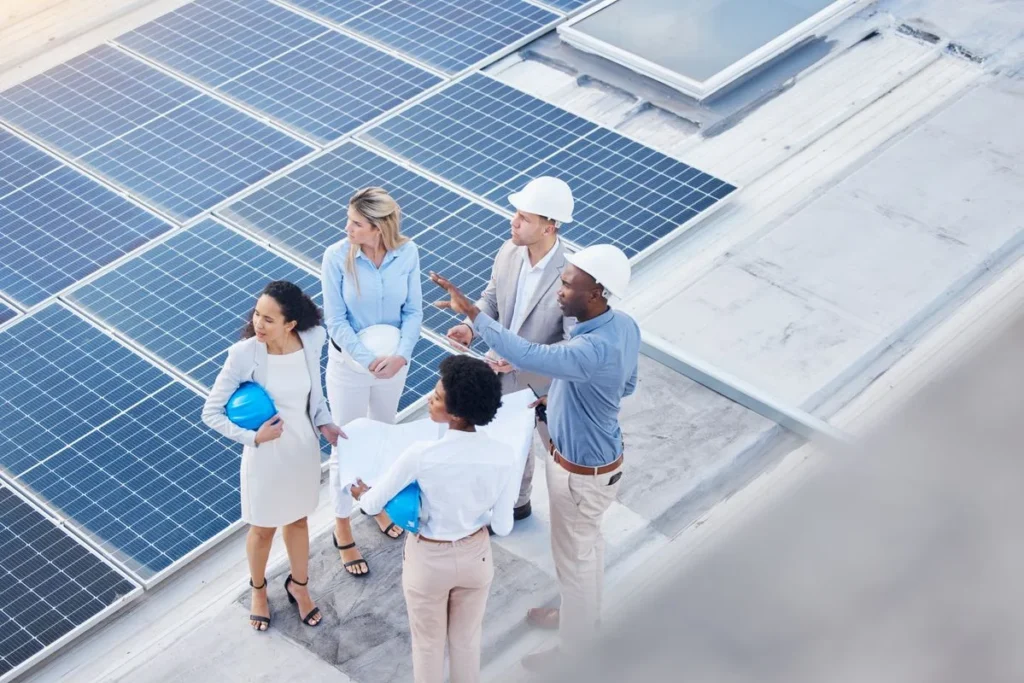
Electric Bird approaches every solar energy project from an operational perspective, beginning at the design stage. Factors such as string architecture, inverter placement, equipment accessibility, and the data architecture of monitoring and SCADA systems are designed with post-commissioning O&M in mind.
This approach ensures that a solar farm or rooftop solar power system not only performs well at commissioning but remains controllable, optimizable, and financially stable throughout its operational life, with minimal cost blowout from design-driven maintenance issues.
Electric Bird’s O&M methodology is built on real-time performance analytics rather than fixed maintenance schedules. Systems are monitored continuously, with KPIs including PR, specific yield, and loss breakdown used to identify degradation trends before they materially impact production.
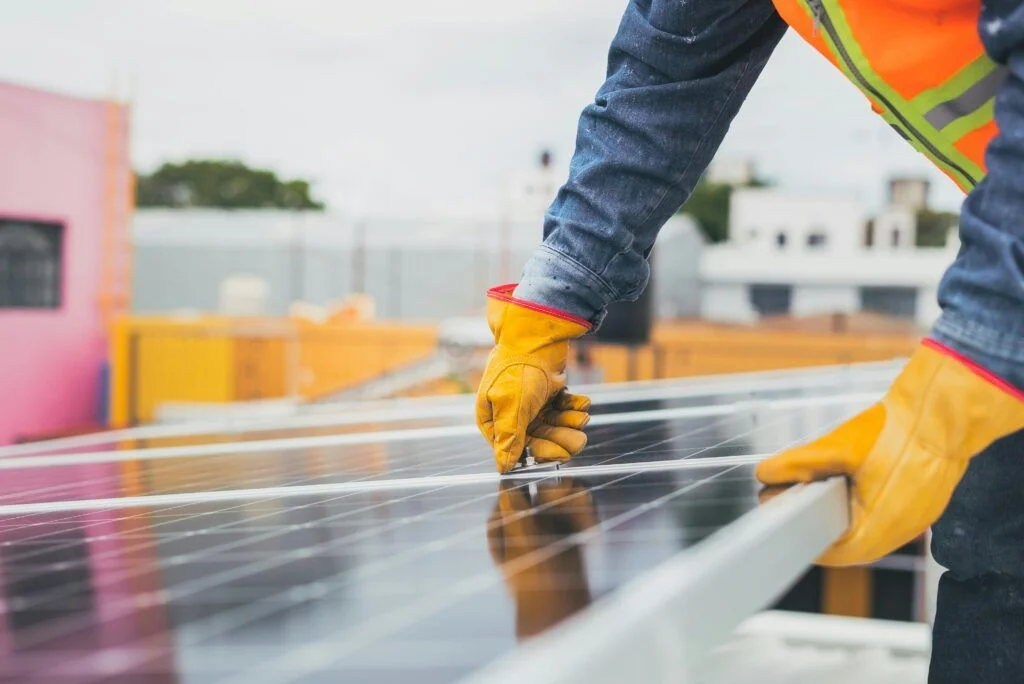
Critically, solutions are tailored to each deployment model:
With end-to-end capability spanning EPC contracting to solar farm and C&I rooftop operations and maintenance management, Electric Bird delivers solutions aligned to both performance targets and the long-term asset strategy of each client.
Contact Electric Bird today for a technical consultation on your solar project.
A solar farm operates as a centralized generation asset, where the O&M strategy prioritizes whole-plant output and equipment uptime. A C&I rooftop system is distributed and must be operated flexibly around the host facility’s production schedule, with risks tied to both the PV system and the building structure it sits on.
The two models differ fundamentally in scale, physical architecture, and risk exposure. A solar farm requires centralized control and standardized protocols across a single large asset. A rooftop solar power portfolio requires distributed management adapted to the constraints of each individual facility.
The most impactful risks are wide-area performance degradation from PID, soiling, or mismatch across inverter blocks; critical equipment failure at the inverter or transformer level; and extended downtime that directly erodes the project’s financial returns.
Structural risks from roof loading and weatherproofing, production disruption from on-roof electrical work, and dynamic changes in shading from facility expansion or rooftop modifications are the most frequently encountered operational risks.
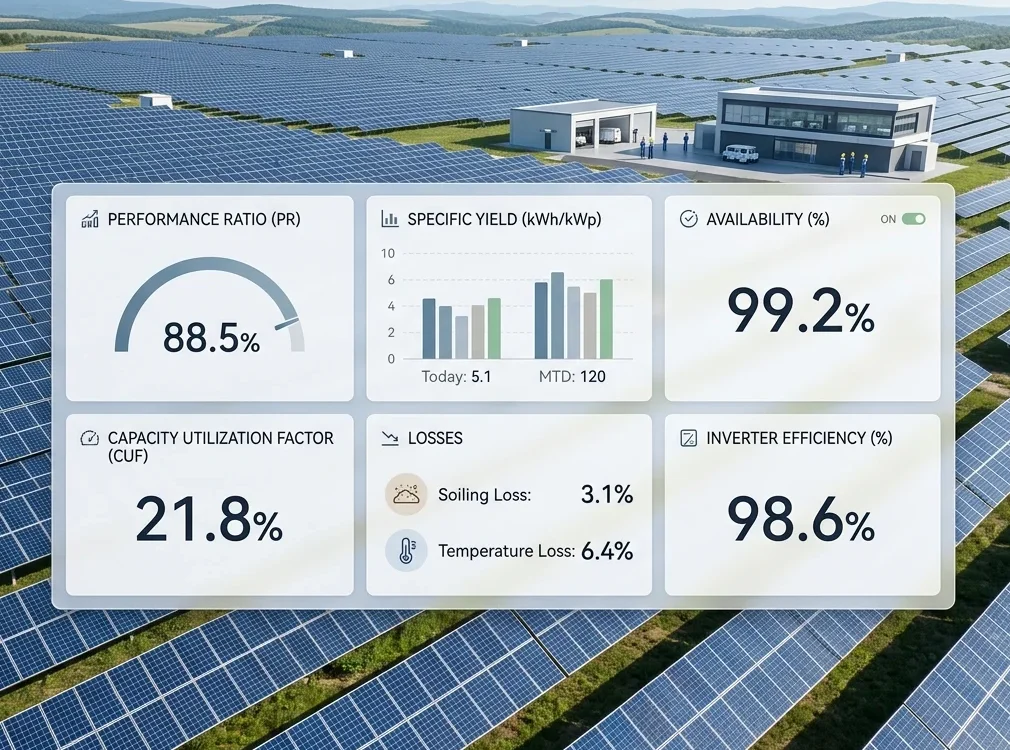

In solar power operations, effective O&M monitoring goes well beyond logging daily energy output. It requires evaluating system performance against precise technical data aligned with international standards such as IEC 61724, the globally recognized framework for measuring photovoltaic system performance. For asset owners and businesses operating solar energy systems, a clear understanding of SLA and […]

For commercial and industrial projects, rooftop solar power systems are long-lived assets with operational lifespans exceeding 20 years. Without a structured technical governance framework, even a well-installed system can silently underperform, eroding projected cash flows year after year. To address this, Vietnam’s Electricity and Renewable Energy Authority (EREA) under the Ministry of Industry and Trade, […]
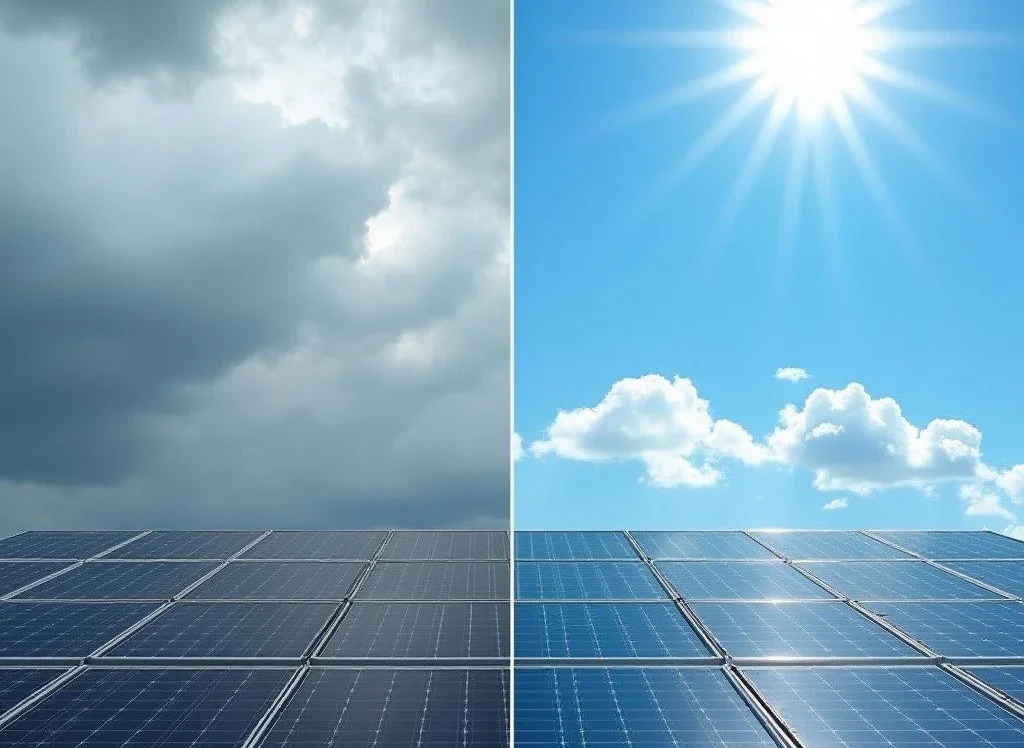
Most underperforming solar power plants share one common trait: they operate reactively. The team responds when something breaks, not before. There is no structured approach to seasonal risk, no trend analysis, and no unified picture of asset health across the year. Vietnam’s climate adds a specific layer of complexity here. The country’s radiation patterns, humidity […]