1528+
MWp Capacity435+
Projects1528+
MWp Capacity435+
Projects1528+
MWp Capacity435+
Projects1528+
MWp Capacity435+
Projects
1528+
MWp Capacity435+
Projects1528+
MWp Capacity435+
Projects1528+
MWp Capacity435+
Projects1528+
MWp Capacity435+
Projects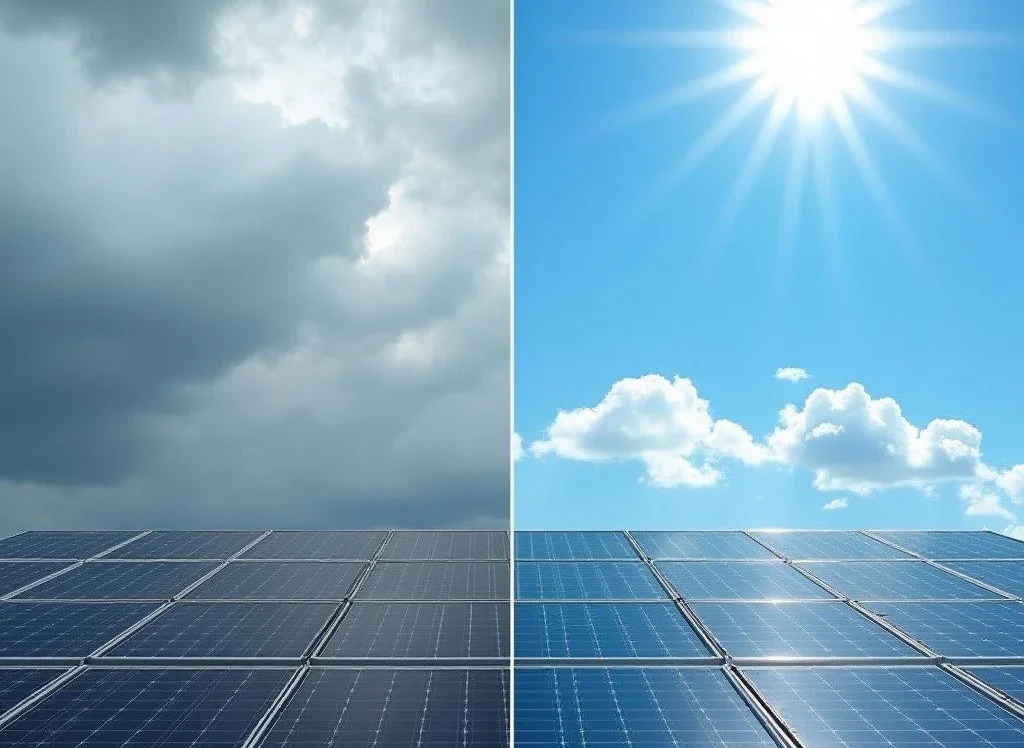
Most underperforming solar power plants share one common trait: they operate reactively. The team responds when something breaks, not before. There is no structured approach to seasonal risk, no trend analysis, and no unified picture of asset health across the year.
Vietnam’s climate adds a specific layer of complexity here. The country’s radiation patterns, humidity levels, and storm exposure differ sharply between the dry season and the rainy season. A single, static O&M protocol applied year-round simply cannot address both environments effectively.
From over a decade of field experience, the pattern is consistent: plants that treat operations as asset management, rather than just output monitoring, outperform their peers over a 10 to 25-year project lifecycle.
The dry season is when solar energy plants deliver their highest yields. Irradiance is strong, downtime is low, and monthly generation numbers look reassuring. This is also when certain categories of technical risk tend to go undetected.
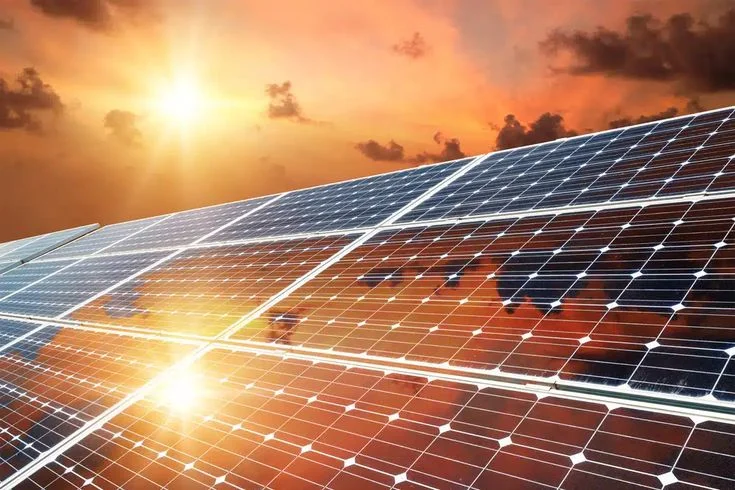
Prolonged high temperatures in Vietnam’s dry season create sustained thermal stress across the system. The key risk areas include:
For any O&M technician working in the field during this season, the thermal inspection cycle should increase in frequency, and inverter data logs should be reviewed at a sub-daily resolution.
If the dry season hides faults behind strong numbers, the rainy season surfaces them. Reduced irradiance lowers output and narrows the margin between expected and actual generation, making anomalies easier to detect, but also more costly if they have been accumulating for months.

The elevated humidity and frequent rainfall create a distinct set of risks for a solar power plant operating in Vietnam:
This is also the season when workmanship defects from the original installation, or from earlier maintenance interventions, tend to manifest clearly. Loose terminations, improperly sealed penetrations, and undersized cable pathways all become measurable problems when moisture is present consistently.
One of the most important shifts an asset owner can make is reframing what they measure. Monthly generation figures are an outcome, not an indicator of system health. Two solar energy plants can produce identical monthly output while operating in fundamentally different states of equipment condition.
The O&M teams that manage risk most effectively tend to ask a different set of questions:
These are asset management questions, not just operational ones. They require continuous data, structured analysis, and a team capable of distinguishing between weather-driven variance and equipment-driven variance. A skilled solar O&M technician brings both field diagnostics and data interpretation to this process.
Whether you manage the plant directly or rely on a third-party O&M provider, the following checklist provides a structured reference for both seasons.
Before the dry season:
During the dry season:
Before the rainy season:
During the rainy season:
The difference between a well-managed solar power plant and one that quietly underperforms over time is rarely about the technology installed. It is about the discipline of the operational approach, the quality of the data being collected, and whether the team managing the asset is asking the right questions each season.
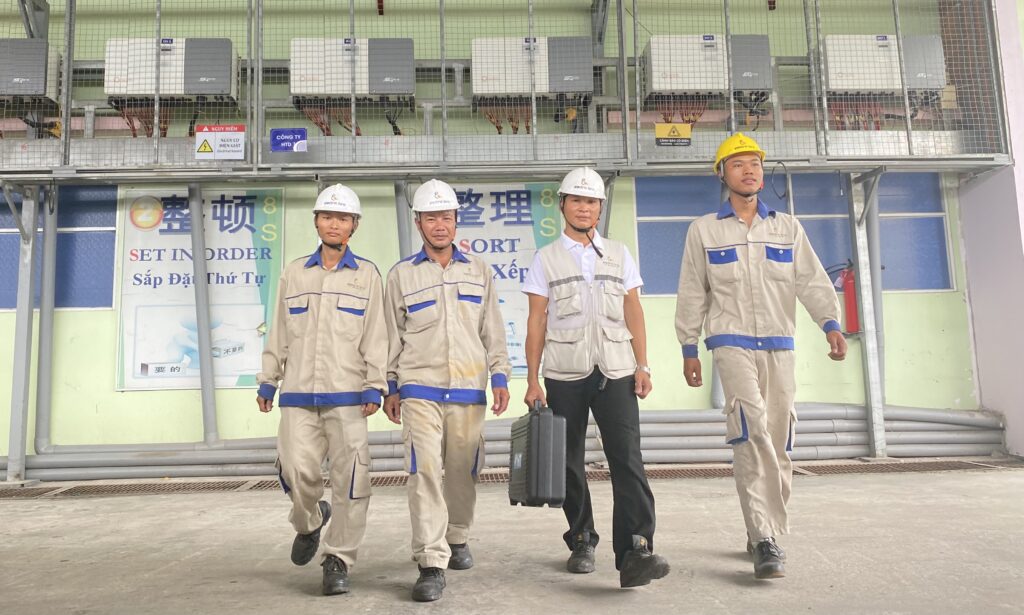
If you are evaluating your current O&M setup or preparing for the next seasonal transition, Electric Bird‘s operations and maintenance solutions are designed around exactly this kind of asset-level thinking.
Reach out to our team for a technical consultation tailored to your solar power plant’s specific site conditions and performance history.
Vietnam’s climate divides sharply between dry and wet periods, with each season creating a distinct set of technical risks. A seasonal approach allows the O&M team to front-load the right inspections and monitoring activities before each risk window opens, rather than responding after problems have already impacted yield or equipment life.
Not by itself. Strong output during the dry season can mask hotspots, inverter thermal stress, and string-level degradation. Performance ratio trends, fault event analysis, and physical inspections are needed alongside generation data to build an accurate picture of system health.
A qualified solar O&M technician combines thermal imaging, electrical testing, and monitoring data review to identify hotspots, high-resistance connections, inverter anomalies, and performance ratio drift. The goal is to find issues while they are still manageable, before they cause measurable yield loss or equipment damage.
Persistent moisture reduces insulation resistance across DC cabling and increases the risk of leakage current and ground faults. Sites with degraded connectors, unsealed junction boxes, or aging wiring are particularly vulnerable. Pre-season insulation testing creates a baseline that makes in-season anomalies detectable early.
This requires continuous, high-resolution monitoring data with minimal gaps. Without it, distinguishing irradiance-driven variance from equipment-driven loss is largely guesswork. A consistent data stream, benchmarked against an irradiance reference, is the foundation of any credible root cause analysis.
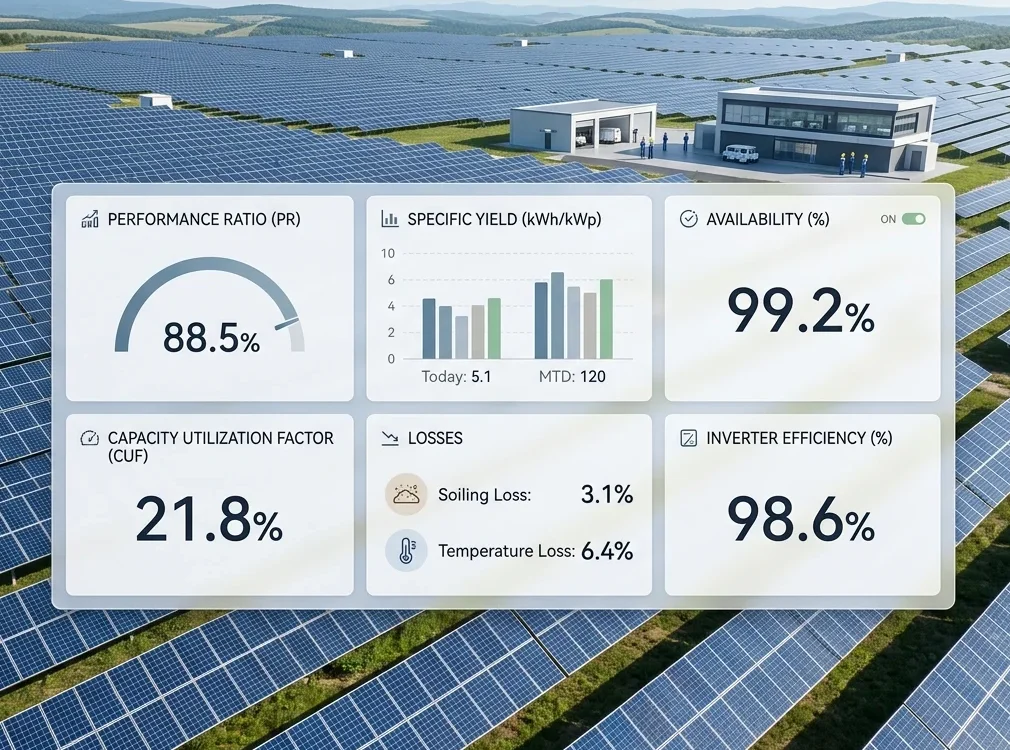

In solar power operations, effective O&M monitoring goes well beyond logging daily energy output. It requires evaluating system performance against precise technical data aligned with international standards such as IEC 61724, the globally recognized framework for measuring photovoltaic system performance. For asset owners and businesses operating solar energy systems, a clear understanding of SLA and […]

For commercial and industrial projects, rooftop solar power systems are long-lived assets with operational lifespans exceeding 20 years. Without a structured technical governance framework, even a well-installed system can silently underperform, eroding projected cash flows year after year. To address this, Vietnam’s Electricity and Renewable Energy Authority (EREA) under the Ministry of Industry and Trade, […]
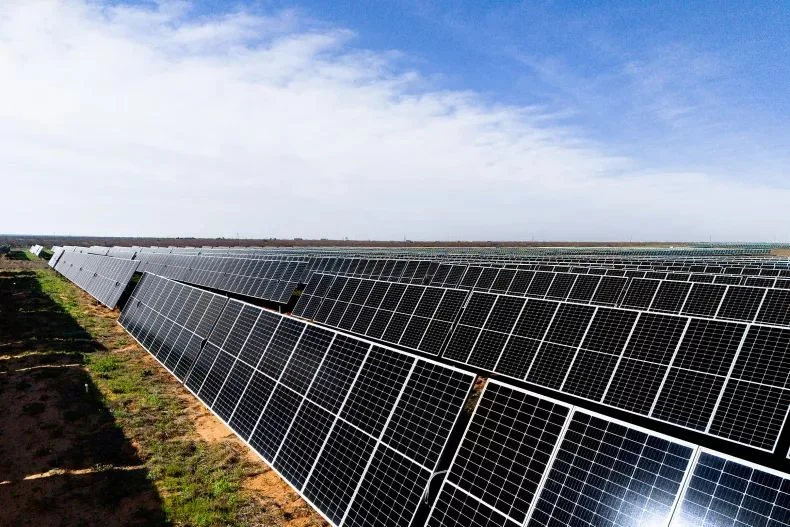
As businesses increasingly focus on the long-term performance of solar energy assets, choosing the right O&M model is no longer an afterthought. It needs to be built into the strategy from the very beginning. Every decision made during the design and installation phase directly influences system efficiency, operational costs, and asset value throughout the entire […]