1528+
MWp Capacity435+
Projects1528+
MWp Capacity435+
Projects1528+
MWp Capacity435+
Projects1528+
MWp Capacity435+
Projects
1528+
MWp Capacity435+
Projects1528+
MWp Capacity435+
Projects1528+
MWp Capacity435+
Projects1528+
MWp Capacity435+
Projects
For commercial and industrial projects, rooftop solar power systems are long-lived assets with operational lifespans exceeding 20 years. Without a structured technical governance framework, even a well-installed system can silently underperform, eroding projected cash flows year after year.
To address this, Vietnam’s Electricity and Renewable Energy Authority (EREA) under the Ministry of Industry and Trade, in collaboration with the Deutsche Gesellschaft für Internationale Zusammenarbeit (GIZ), published a comprehensive technical handbook on managing rooftop solar power systems. Applying these standards allows asset owners to identify technical risks early, prevent revenue degradation, and keep actual operating costs under firm control.
The operation and maintenance manual defines detailed procedures spanning both physical hardware and data infrastructure. It clearly separates the responsibilities of daily monitoring from those of specialized maintenance work, giving asset owners a practical governance structure to follow across the full project lifecycle.
Effective rooftop solar power management starts with classifying your assets and understanding how each component degrades over time. The manual addresses two critical hardware layers:
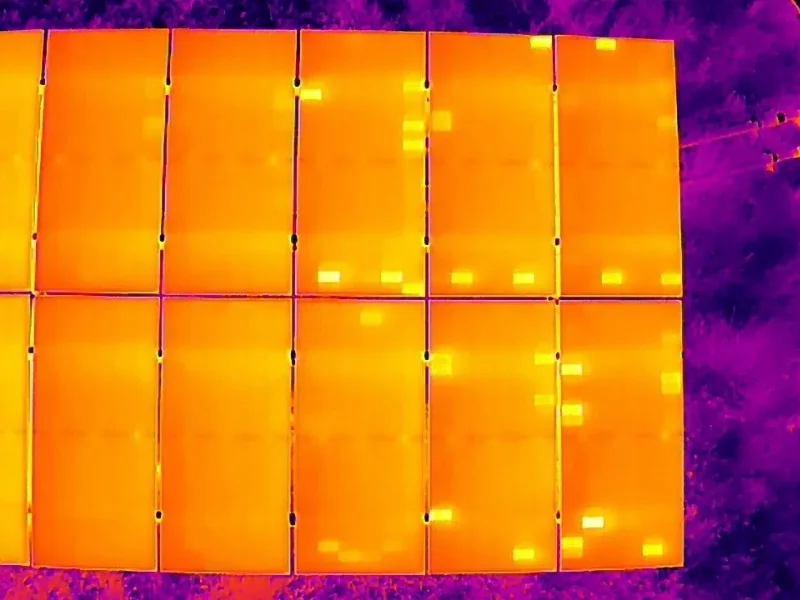
The monitoring protocol in the rooftop solar power O&M manual moves beyond raw generation output and focuses on dynamic performance indicators:
One of the most valuable contributions of this manual is its push to modernize how owners approach maintenance strategy. The document recommends two structural shifts.
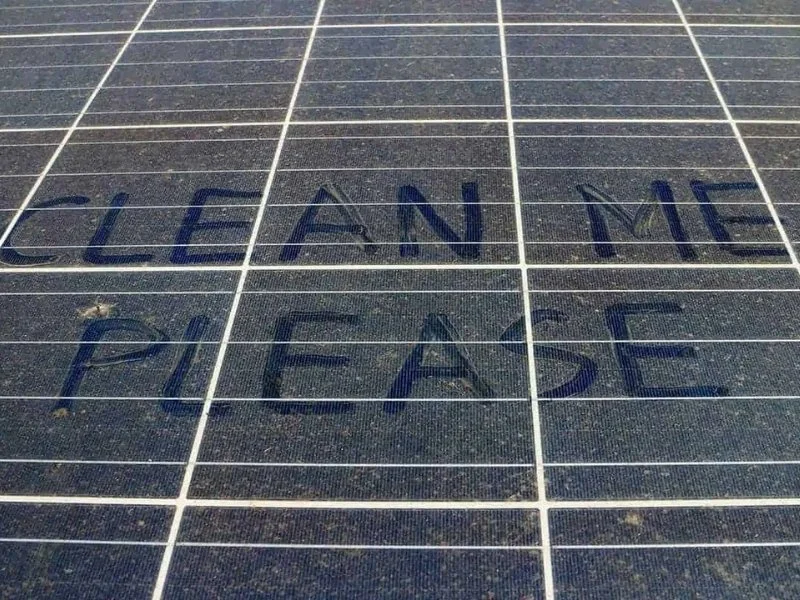
Condition-Based Maintenance: Rather than following a fixed cleaning schedule that generates unnecessary costs, the manual recommends calculating cleaning frequency based on measured soiling loss thresholds at each specific site. This approach directly optimizes OPEX by eliminating redundant maintenance activities.
Corrective Maintenance Optimization: When a trip or circuit breaker fault occurs, rapid fault string isolation is essential. Applying Root Cause Analysis (RCA) to each incident prevents recurring system failures, controls cumulative downtime, and protects overall plant efficiency ratios.
Safety requirements run throughout every stage of the project lifecycle and are non-negotiable. The manual sets out two priority areas:
While the operation and maintenance manual provides a thorough technical framework, in-house implementation frequently runs into practical barriers: a lack of specialized diagnostic tools such as thermal flat-panel scanners and IV-Curve analyzers, as well as the absence of on-call engineering teams.
Electric Bird’s end-to-end Solar O&M service is built to close this gap, translating the MOIT technical standards into measurable outcomes for each project:
A rooftop solar power system that runs without alarms is not necessarily running at full potential. The O&M manual from EREA and GIZ makes this distinction clear: electromechanical safety and performance optimization are two separate disciplines, and only managing both protects the true value of your energy asset.
If you own or manage a commercial or industrial rooftop solar power installation, Electric Bird is ready to conduct a full system audit and performance assessment.
Contact us today to find out exactly where your system stands and how we can help you recover and maintain every kilowatt-hour you have invested in.
The absence of system alarms means the installation is electrically safe, not that it is performing optimally. Yield losses can be driven by irradiance variation, but you need to benchmark against PR trends and seasonal analysis to determine whether the system is genuinely underperforming against its design model.
Cleaning frequency should not be set by a fixed calendar schedule. The right interval is determined by measuring actual soiling loss at your specific site and applying an economic threshold calculation. This prevents unnecessary OPEX while ensuring cleaning happens before losses become significant.
Hotspots do not trigger immediate shutdowns, but they drive localized cell degradation that accumulates as compounding yield losses over multiple years. When string-level mismatch losses from hotspots persist, they reduce project IRR and increase total lifecycle cost over time.
PR is the ratio of the system’s actual energy output to its theoretical maximum under measured irradiance conditions. It is the most reliable indicator of overall system health because it filters out weather variability and isolates true technical efficiency. Asset owners should track PR trends quarterly at a minimum.
Post-weather inspections for a rooftop solar power system should cover mounting structure bolt torque, roof load-bearing integrity, DC cable insulation resistance, grounding continuity, and the condition of all exposed MC4 connectors. These checks are required before resuming full system operation.
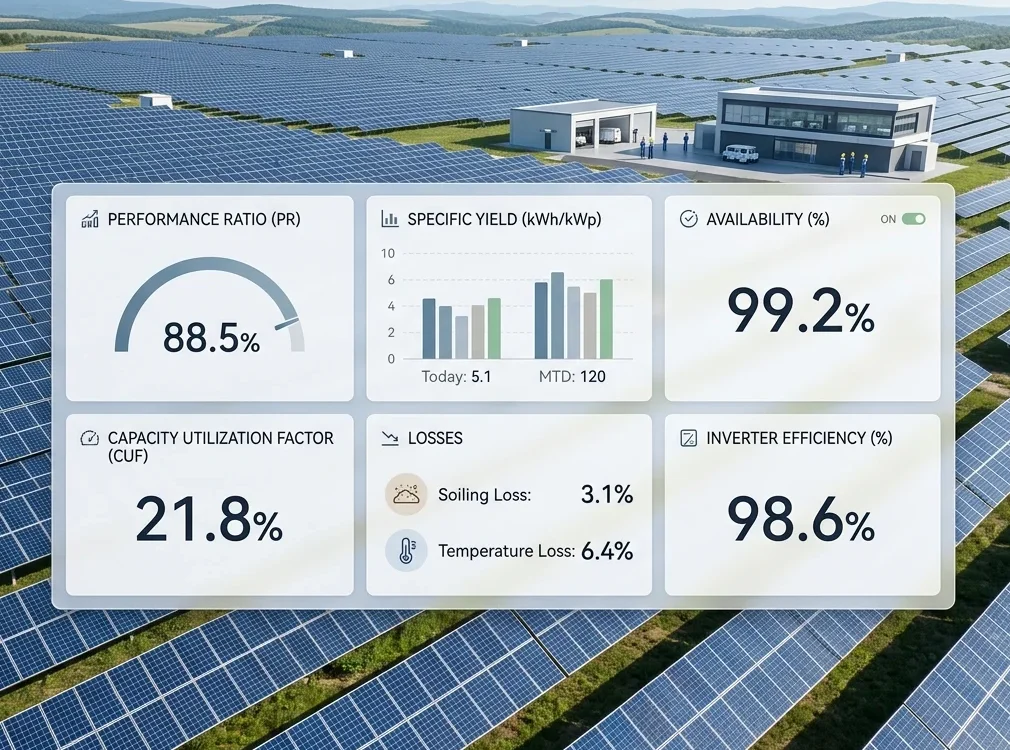

In solar power operations, effective O&M monitoring goes well beyond logging daily energy output. It requires evaluating system performance against precise technical data aligned with international standards such as IEC 61724, the globally recognized framework for measuring photovoltaic system performance. For asset owners and businesses operating solar energy systems, a clear understanding of SLA and […]
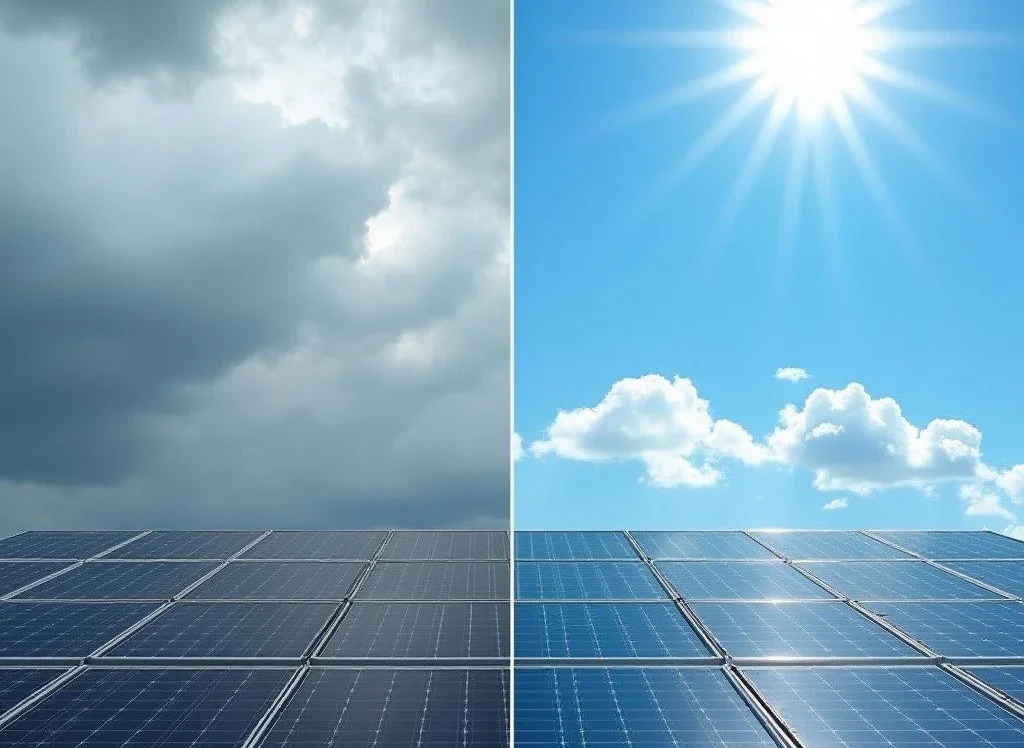
Most underperforming solar power plants share one common trait: they operate reactively. The team responds when something breaks, not before. There is no structured approach to seasonal risk, no trend analysis, and no unified picture of asset health across the year. Vietnam’s climate adds a specific layer of complexity here. The country’s radiation patterns, humidity […]
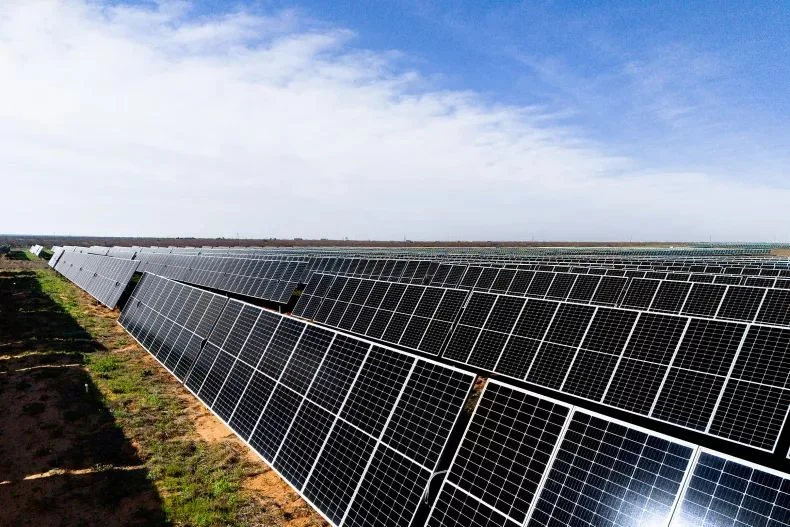
As businesses increasingly focus on the long-term performance of solar energy assets, choosing the right O&M model is no longer an afterthought. It needs to be built into the strategy from the very beginning. Every decision made during the design and installation phase directly influences system efficiency, operational costs, and asset value throughout the entire […]